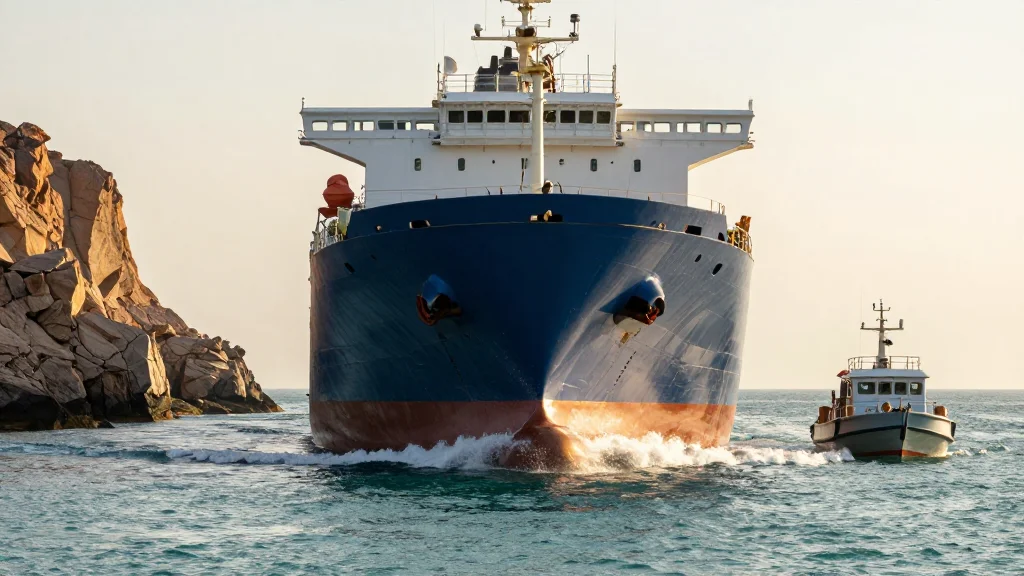
Hormuz At Near Standstill as Iran Warns Ships to Keep to Its Waters
Companies Mentioned
Why It Matters
The disruption threatens global oil flow and raises freight costs, signaling heightened supply‑chain risk for energy‑dependent markets.
Key Takeaways
- •IRGC orders vessels to remain inside Iranian waters in Hormuz
- •Strait traffic falls below 10% of typical volume
- •Mitsui O.S.K. Lines evaluates safety before resuming routes
- •Reduced flow could pressure oil prices and global logistics
Pulse Analysis
The Strait of Hormuz, a 21‑mile waterway linking the Gulf of Oman to the Persian Gulf, handles roughly a fifth of the world’s petroleum shipments. Iran’s recent warning to keep ships within its territorial sea reflects a broader strategy of leveraging the chokepoint amid ongoing diplomatic talks. While the two‑week ceasefire between Washington and Tehran temporarily halted direct hostilities, the IRGC’s directive demonstrates how maritime control can be used as a bargaining chip without escalating to open conflict.
Shipping firms are now confronting a cascade of operational challenges. With traffic down to less than one‑tenth of usual levels, carriers must decide whether to reroute around the Arabian Sea—a move that adds days and fuel costs—or wait for clearer safety assurances. Insurers are revising war‑risk premiums, and major players such as Mitsui O.S.K. Lines are conducting granular risk assessments before committing vessels. The uncertainty also pressures port operators in the Gulf to manage inventory fluctuations, while freight forwarders scramble to secure alternative lanes for time‑sensitive cargo.
Beyond immediate logistics, the Hormuz slowdown reverberates through global energy markets. Even a modest reduction in flow can tighten oil supplies, nudging Brent and WTI prices upward and prompting speculative trading. For economies heavily reliant on Middle‑East crude, the situation amplifies inflationary pressures and may accelerate diversification toward renewable sources. Analysts caution that prolonged restrictions could embolden Iran to extract further concessions in any future negotiations, making the strait’s stability a pivotal factor in both regional security and worldwide economic health.
Hormuz At Near Standstill as Iran Warns Ships to Keep to Its Waters
Comments
Want to join the conversation?
Loading comments...