Hormuz Risk Is Redrawing the Supply Chain Geography of Energy
Why It Matters
The shift highlights how chokepoint risk is being priced into supply‑chain strategy, forcing firms and governments to invest in resilient infrastructure and diversified logistics pathways.
Key Takeaways
- •Japan seeks UAE crude and joint stockpiles to diversify beyond Hormuz
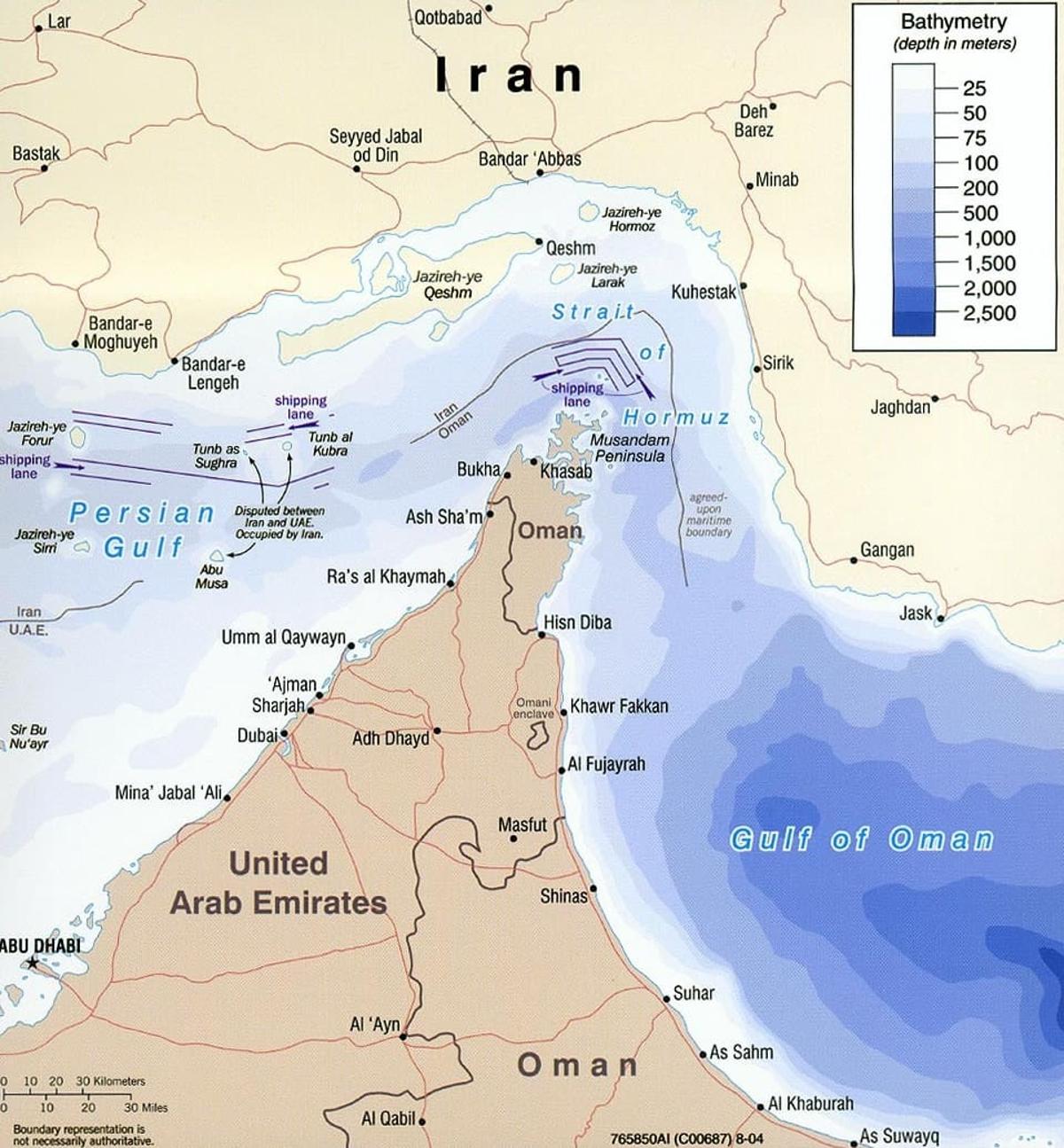
- •Fujairah port offers export route outside the Strait, boosting optionality
- •ADNOC plans $55 billion project awards to strengthen resilient infrastructure
- •Companies are shifting from cost‑only to risk‑adjusted network design
- •Integrated risk platforms needed to link geopolitical shocks to operational decisions
Pulse Analysis
The Hormuz bottleneck is reshaping how energy buyers think about logistics. Japan’s outreach to the UAE reflects a broader desire for supply‑chain flexibility, with joint stockpiles and increased crude volumes providing a hedge against sudden lane closures. By leveraging Fujairah’s Gulf‑of‑Oman access, importers gain a tangible alternative that reduces dependence on a single maritime corridor, a move that also aligns with broader risk‑adjusted sourcing strategies now common across industries.
ADNOC’s $55 billion investment program illustrates the convergence of capital spending and resilience planning. Funding projects across the value chain—from pipelines to storage terminals—creates physical assets that act as insurance against geopolitical disruptions. This capital infusion not only bolsters the UAE’s position in the global oil market but also signals to multinational firms that infrastructure capable of bypassing chokepoints is becoming a strategic commodity, comparable to digital risk‑management tools.
For supply‑chain leaders, the practical implication is clear: traditional cost‑focused network design must evolve to incorporate geopolitical risk metrics. Integrated platforms that fuse external threat intelligence with internal ERP, TMS, and inventory data enable rapid scenario modeling and proactive decision‑making. Companies that embed these capabilities can reroute shipments, adjust inventory buffers, and renegotiate supplier contracts before a disruption escalates, turning what was once a reactive response into a competitive advantage.
Hormuz Risk Is Redrawing the Supply Chain Geography of Energy
Comments
Want to join the conversation?
Loading comments...