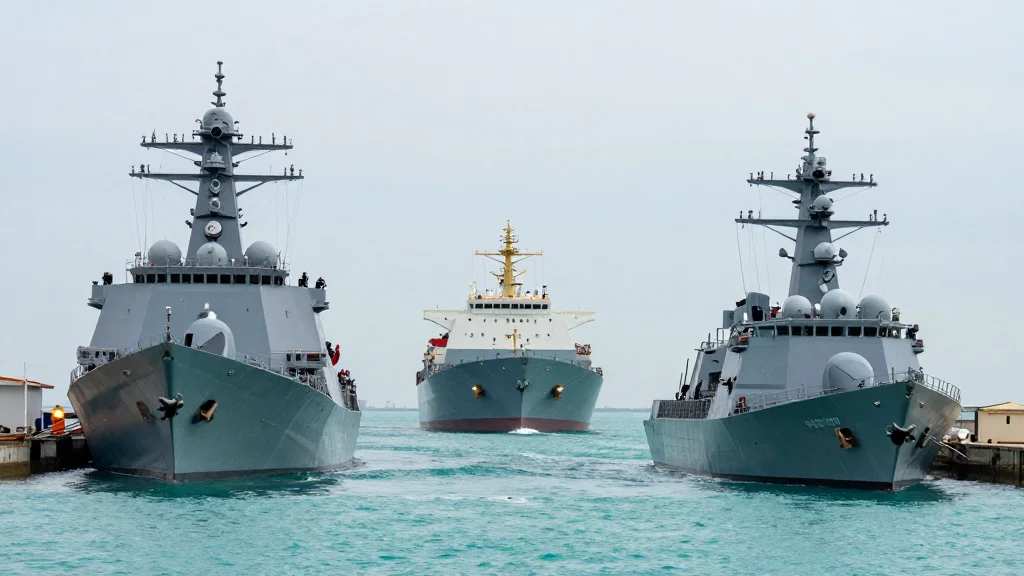
Hormuz Strait Blockade Strands 20,000 Seafarers on 2,000 Vessels, Exposing Global Shipping Fragility

Why It Matters
The Hormuz Strait is a linchpin of the global energy system, moving roughly 20 percent of the world’s oil and a significant share of liquefied natural gas. A sustained blockade not only inflates transport costs but also threatens food security for nations dependent on maritime imports. The crisis exposes a structural weakness: the over‑reliance on narrow chokepoints that can be weaponized in geopolitical disputes, prompting calls for diversified routes, strategic stockpiles, and stronger international legal mechanisms to protect freedom of navigation. For the maritime labor market, the stranding of 20,000 seafarers raises urgent humanitarian concerns and highlights the precarious status of a workforce that already faces long contracts, limited shore leave, and mental‑health challenges. The incident could accelerate industry pushes for better crew welfare standards, digital tracking of vessel movements, and insurance reforms that account for geopolitical risk.
Key Takeaways
- •Up to 20,000 seafarers stranded on ~2,000 vessels in the Persian Gulf
- •Blockade follows U.S.-Israeli bombing of Iran in late February 2026
- •IMO warns naval escorts are not a sustainable solution for chokepoint security
- •Freight rates on alternative routes have risen 30%, Brent crude up 2.8%
- •UN to host emergency maritime security forum in Geneva next week
Pulse Analysis
The Hormuz crisis underscores a recurring theme in maritime logistics: chokepoints are strategic liabilities as much as they are economic assets. Historically, the Suez Canal and Panama Canal have prompted similar debates about redundancy and resilience, yet no comparable alternative exists for Hormuz. The current impasse may catalyze investment in overland pipelines and Arctic routes, but those options carry their own geopolitical and environmental costs.
From a market perspective, the rapid surge in freight premiums and insurance claims signals that risk pricing is finally catching up with geopolitical realities. Insurers are likely to tighten coverage terms for vessels transiting conflict zones, potentially raising the cost of capital for shipping firms and accelerating consolidation among carriers that can absorb higher risk buffers.
Strategically, the episode could reshape the balance of power in maritime governance. If the United Nations and IMO can broker a durable framework that limits the use of commercial shipping as a bargaining chip, it may set a precedent for future disputes in the South China Sea or the Black Sea. Conversely, failure to secure a diplomatic solution could embolden state actors to leverage maritime chokepoints more aggressively, prompting a new era of maritime brinkmanship that the global economy is ill‑prepared to absorb.
Hormuz Strait Blockade Strands 20,000 Seafarers on 2,000 Vessels, Exposing Global Shipping Fragility
Comments
Want to join the conversation?
Loading comments...