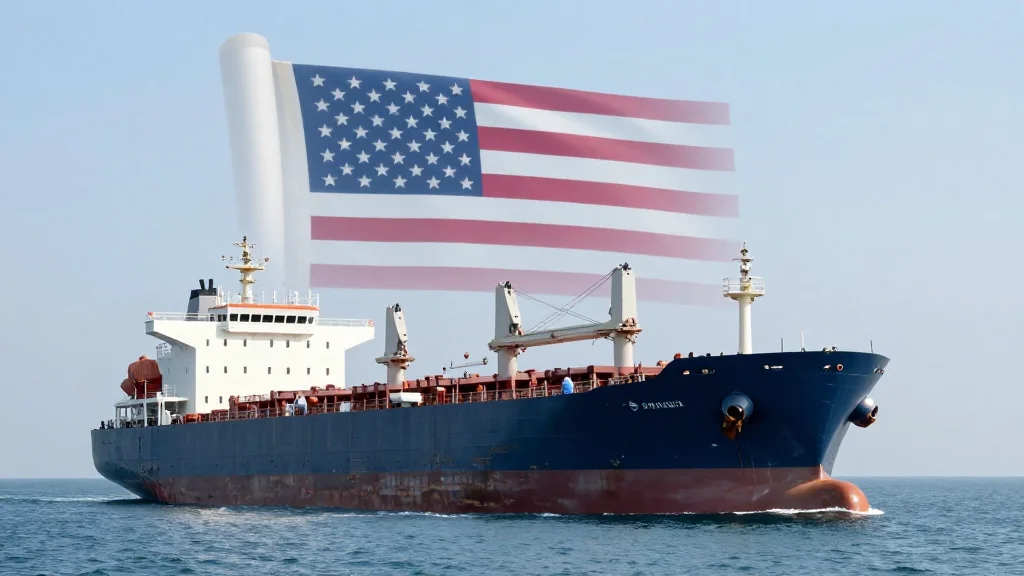
House Labor Caucus Joins Growing Backlash Against Trump’s Jones Act Waiver Extension
Why It Matters
The backlash signals growing political resistance to policies that weaken the U.S. shipping sector, potentially reshaping future maritime legislation and domestic shipbuilding incentives.
Key Takeaways
- •Labor caucus co-chairs denounce 90‑day Jones Act waiver extension
- •Foreign‑flag vessels now allowed to carry fuel and fertilizer domestically
- •Critics say waiver hasn't lowered gasoline prices despite higher fuel costs
- •Waiver seen as undermining U.S. shipbuilding and maritime workforce
Pulse Analysis
The Jones Act, a cornerstone of U.S. maritime law, restricts domestic cargo transport to American‑flagged vessels, preserving a strategic sealift capacity. In March, the Trump administration invoked an emergency waiver to bypass these restrictions, citing supply chain shocks from the Strait of Hormuz conflict. By extending the waiver through mid‑August, the White House aims to keep fuel and fertilizer flowing despite volatile global markets, arguing that flexibility is essential for energy security and price stability.
Opposition has coalesced around a coalition of labor leaders, maritime unions and industry associations. House Labor Caucus co‑chairs publicly rebuked the extension, emphasizing that American mariners are vital to national security and that the waiver has not curbed rising gasoline prices. Organizations such as the American Waterways Operators and the Seafarers International Union argue that the policy erodes domestic shipping demand, jeopardizing jobs and the broader merchant marine. Their criticism underscores a belief that the waiver’s economic rationale is flawed, as global crude price dynamics—not domestic shipping rules—drive consumer fuel costs.
The controversy also touches on the administration’s broader maritime agenda, which includes the SHIPS for America Act and a push to revitalize U.S. shipyards. Repeated, long‑duration waivers risk diluting the cargo base needed to sustain a viable U.S.‑flag fleet, potentially stalling shipbuilding investments and reducing sealift readiness. As lawmakers and industry stakeholders clash over short‑term energy relief versus long‑term maritime competitiveness, the outcome could reshape how future emergencies are managed and whether the Jones Act remains a protective pillar for American maritime interests.
House Labor Caucus Joins Growing Backlash Against Trump’s Jones Act Waiver Extension
Comments
Want to join the conversation?
Loading comments...