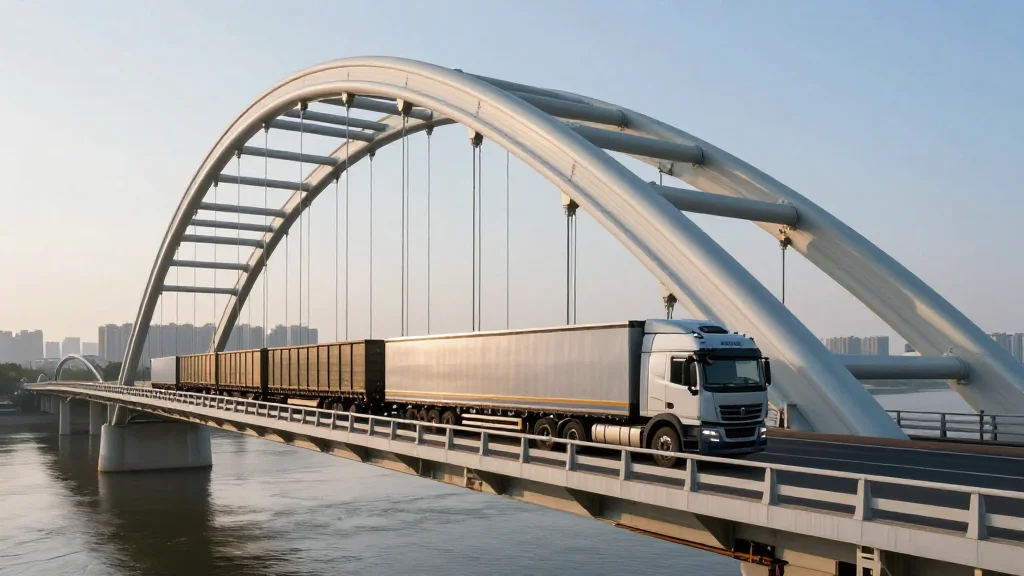
House Transportation Committee Clears $250‑Year BUILD America Act, Boosting Bridges and Freight

Why It Matters
The BUILD America 250 Act could reshape U.S. transportation by addressing two chronic bottlenecks: aging bridge infrastructure and the lack of a clear regulatory path for autonomous trucks. By unlocking new revenue for the Highway Trust Fund, the bill may finally allow states to accelerate bridge repairs, reducing safety risks and improving freight efficiency. At the same time, a federal framework for driverless commercial vehicles could accelerate adoption, lower long‑haul costs and reshape logistics networks. However, the bill’s reliance on existing discretionary grant programs means that without additional funding, key freight corridors could remain vulnerable, potentially limiting the act’s impact on supply‑chain resilience. The legislation also sets a precedent for integrating emerging technologies into federal transportation policy. If the autonomous vehicle provisions survive Senate scrutiny, the U.S. could establish early standards that influence industry design, insurance and liability models, giving American firms a competitive edge in a market projected to be worth tens of billions of dollars by 2035.
Key Takeaways
- •House Transportation & Infrastructure Committee approved the BUILD America 250 Act after a 14‑hour markup.
- •Bill includes the largest ever federal investment in U.S. bridges (no dollar figure disclosed).
- •Introduces the first autonomous commercial motor vehicle framework at the federal level.
- •Adds new revenue stream to the Highway Trust Fund, the first in over 30 years.
- •Industry groups warn that lack of dedicated funding for discretionary grant programs could hinder freight reliability.
Pulse Analysis
The passage of the BUILD America 250 Act marks a strategic pivot in federal transportation policy, moving from ad‑hoc, project‑by‑project funding toward a more holistic, long‑term approach. Historically, surface‑transportation reauthorizations have been fragmented, with bridge funding often lagging behind highway allocations. By bundling bridge upgrades, freight corridor improvements, and autonomous vehicle regulations into a single bill, Congress is signaling that infrastructure resilience and technological innovation are now intertwined priorities.
From a market perspective, the bridge investment alone could generate thousands of construction jobs and catalyze demand for steel, concrete and engineering services, echoing the post‑2009 stimulus’s impact on the sector. The autonomous vehicle framework is perhaps the most forward‑looking element; it could lower barriers for companies like Waymo, TuSimple and Tesla to test and deploy driverless trucks, potentially reducing long‑haul labor costs by up to 30% over the next decade. However, the bill’s success hinges on the Senate’s willingness to fund discretionary programs that IANA and rail groups deem essential. If those programs are underfunded, the anticipated gains in freight efficiency may be muted, leaving supply‑chain bottlenecks unresolved.
Looking ahead, the act’s fate will be a litmus test for bipartisan infrastructure cooperation. With the current surface‑transportation law set to expire on September 30, lawmakers face a narrow window to reconcile budget constraints with the growing demand for modern, resilient logistics networks. The outcome will shape not only the physical landscape of America’s roads and bridges but also the regulatory environment that will determine how quickly autonomous freight can become mainstream.
House Transportation Committee Clears $250‑Year BUILD America Act, Boosting Bridges and Freight
Comments
Want to join the conversation?
Loading comments...