Why It Matters
The shutdown exposes the funding fragility of specialized cultural institutions and could reshape how historic sites secure public‑sector backing. A successful intervention may set a precedent for preserving aviation heritage nationwide.
Key Takeaways
- •Museum closed March 2, 2026 due to financial “perfect storm”.
- •Historic 1940 terminal building listed on National Register.
- •Volunteers cited for decades of support and preservation.
- •City exploring Texas Historical Commission takeover.
- •Fundraising gaps expose sustainability issues for niche museums.
Pulse Analysis
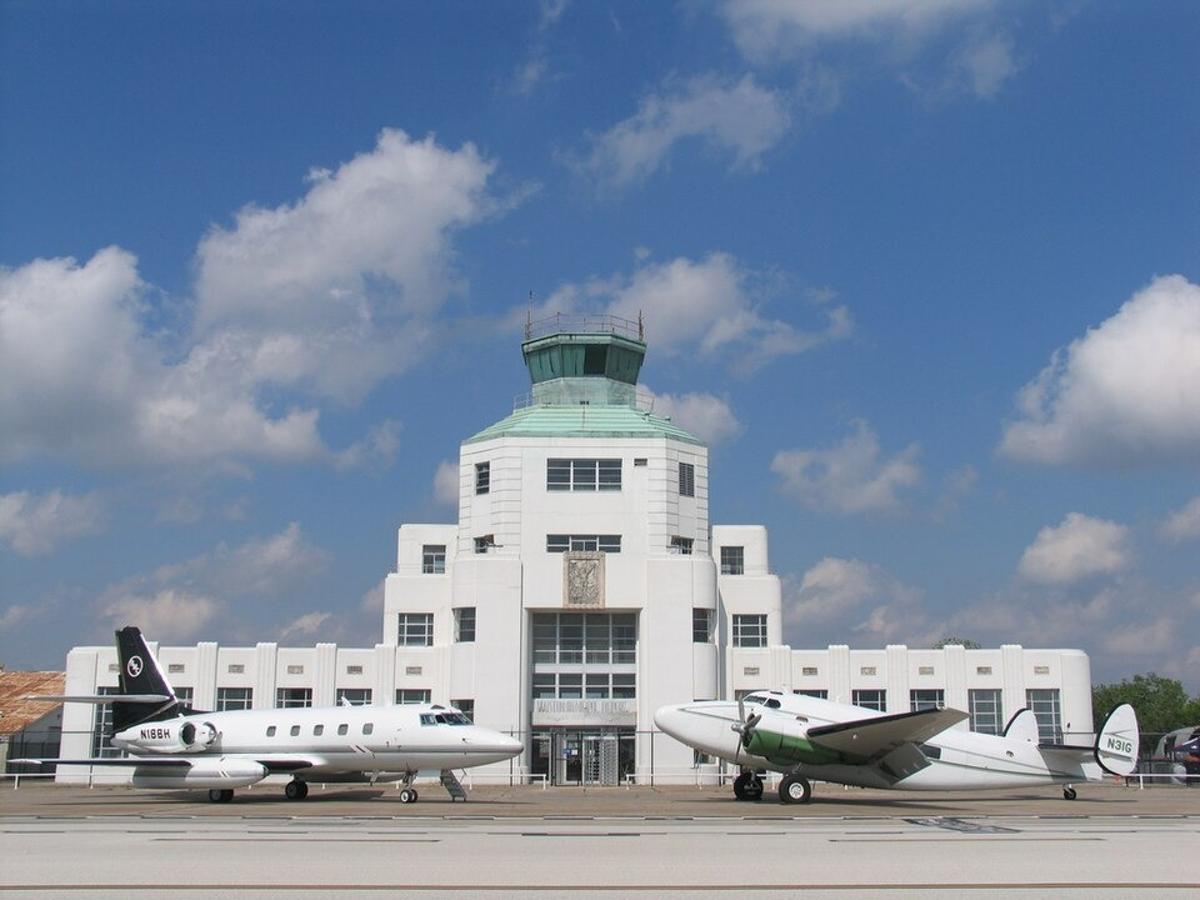
The 1940 Air Terminal Museum was more than a repository of artifacts; it occupied a landmark Art Deco terminal that symbolized Houston’s early commercial aviation era. Its sudden suspension reflects a broader trend where small, mission‑driven museums struggle to balance preservation costs with limited income streams. As heritage sites compete for donor dollars, grant eligibility, and visitor spending, even institutions with strong community ties can find themselves financially exposed.
Financial sustainability for niche museums often hinges on creative fundraising—aircraft raffles, membership drives, and event rentals—but these tactics can falter when operating expenses rise or donor fatigue sets in. The museum’s leadership described a “perfect storm” of reduced ticket sales, rising maintenance costs for a historic structure, and insufficient grant pipelines. This scenario underscores the need for diversified revenue models, such as corporate sponsorships, endowment funds, or adaptive reuse strategies that generate steady cash flow while preserving mission integrity.
Houston’s mayor and the Texas Historical Commission are now evaluating public‑sector options, ranging from direct financial assistance to a full operational takeover. If the state agency steps in, it could provide a stable fiscal framework and integrate the museum into broader heritage tourism initiatives. Conversely, prolonged uncertainty may erode volunteer morale and diminish public awareness of the city’s aviation legacy. The outcome will likely influence how other historic sites negotiate partnerships with government entities, shaping the future landscape of cultural preservation in Texas and beyond.
Houston Aviation Museum Suspends Operations
0
Comments
Want to join the conversation?
Loading comments...