Companies Mentioned
Why It Matters
Higher ridership can capture market share from airlines and personal cars, boosting revenue and advancing sustainable, cost‑effective transportation options.
Key Takeaways
- •States added 7 new subsidized routes across VA, OH, WI in 2026
- •Boston’s bus docks grew 60%, while NYC’s Midtown terminal construction begins
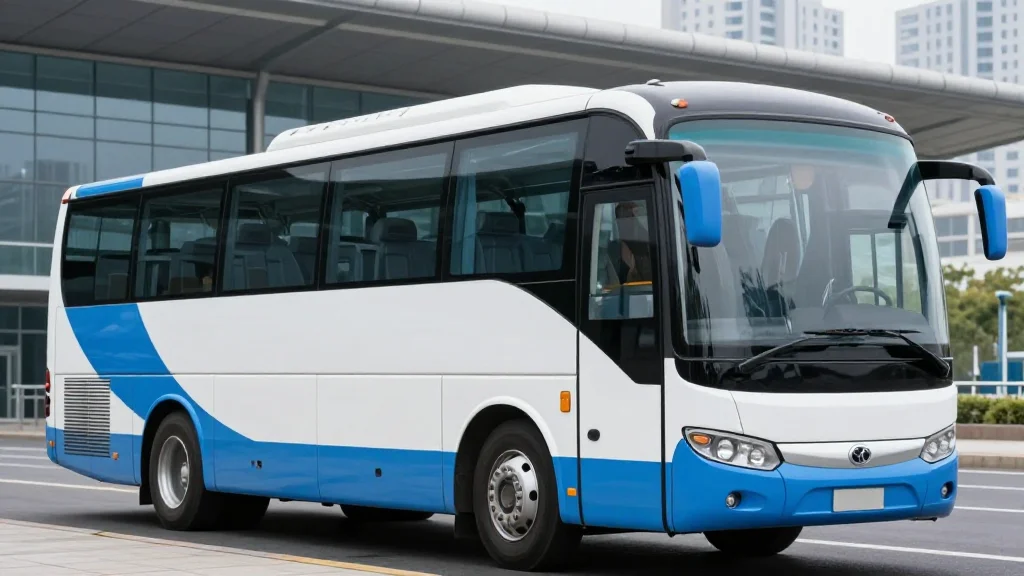
- •Greyhound introduced hundreds of coaches with Wi‑Fi, power outlets, and restrooms
- •Rising gas prices and airfare expected to lift bus ridership this summer
Pulse Analysis
State governments are increasingly viewing intercity buses as a public utility that bridges gaps left by rail and air services. In 2026, Virginia, Ohio and Wisconsin introduced a combined seven new subsidized routes, extending connectivity to major hubs like Washington, D.C., and Pittsburgh. These investments not only improve regional mobility but also align with broader policy goals to reduce congestion and emissions. By treating bus service as an essential component of the transportation network, states are laying groundwork for sustained demand.
Meanwhile, infrastructure upgrades are reshaping the passenger experience. Boston’s South Station expanded its bus docks by 60%, and New York City’s Midtown Bus Terminal is under construction, signaling municipal commitment to modern, high‑capacity facilities. Greyhound’s fleet refresh adds hundreds of coaches equipped with Wi‑Fi, power outlets, cup holders and onboard restrooms, directly addressing traveler comfort expectations that were once the domain of airlines. Such enhancements elevate intercity buses from a budget alternative to a competitive choice for business and leisure travelers alike.
Economic pressures are further tilting the scales toward bus travel. With gasoline prices hovering near historic highs and airline fares climbing, cost‑conscious consumers are reevaluating long‑distance options. The resulting shift away from single‑occupant driving and short‑haul flights creates a tailwind for bus operators, who can offer lower per‑mile costs without sacrificing speed on many corridors. This convergence of policy support, infrastructure investment, and consumer economics positions intercity buses for a notable surge in ridership throughout 2026 and beyond.
How 4 trends favor intercity buses
Comments
Want to join the conversation?
Loading comments...