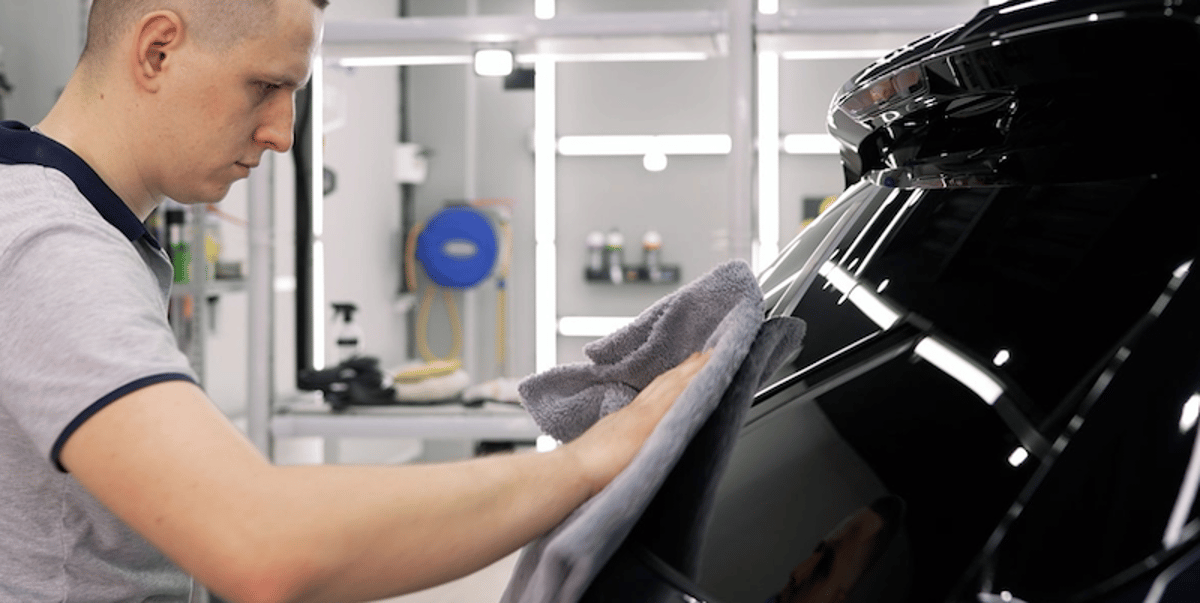
How Advanced Collision Repair Technology Is Transforming Vehicle Restoration
Why It Matters
The adoption of advanced repair technology boosts safety, cuts rework costs, and accelerates claim settlements, giving shops a competitive edge while meeting stricter regulatory expectations. It also forces the sector to invest in new equipment and skilled labor, reshaping the business model of collision centers.
Key Takeaways
- •Robotic paint-matching and laser alignment cut rework by up to 30%
- •AI-driven damage scans detect hidden sensor issues before repairs begin
- •ADAS calibration labs now mandatory for most post-collision repairs
- •Digital shop-management platforms improve customer transparency and claim speed
- •OEM data integration ensures repairs meet factory specifications, reducing liability
Pulse Analysis
The collision‑repair landscape is undergoing a digital transformation as vehicles become more software‑centric. Robotics now handle paint‑matching and frame alignment with sub‑millimeter precision, while AI‑powered damage assessment tools analyze images and sensor data to generate repair plans in minutes. This automation not only shortens cycle times but also minimizes the human errors that historically led to costly rework, directly improving shop profitability and customer satisfaction.
A pivotal driver of this change is the proliferation of Advanced Driver Assistance Systems (ADAS). Modern cars rely on cameras, radars, and lidar for functions such as lane‑keeping and automatic emergency braking, making post‑collision sensor calibration a non‑negotiable step. Calibration labs equipped with OEM‑approved tools are now standard in major repair centers, and insurers increasingly require documented calibration to approve claims. Coupled with AI‑enhanced diagnostic scanners that pull OEM repair procedures, shops can verify that every electronic subsystem functions correctly before the vehicle returns to the road, reinforcing safety and reducing liability.
From a business perspective, the shift demands significant capital outlays for equipment and upskilling technicians, but the payoff is measurable. Shops that integrate digital shop‑management platforms can provide real‑time status updates to customers and insurers, accelerating claim cycles and fostering trust. Moreover, adherence to OEM standards and precise repair outcomes lower warranty disputes and improve brand reputation. As vehicle complexity continues to rise, collision centers that embrace these technologies will likely dominate the market, while laggards risk obsolescence.
How Advanced Collision Repair Technology is Transforming Vehicle Restoration
Comments
Want to join the conversation?
Loading comments...