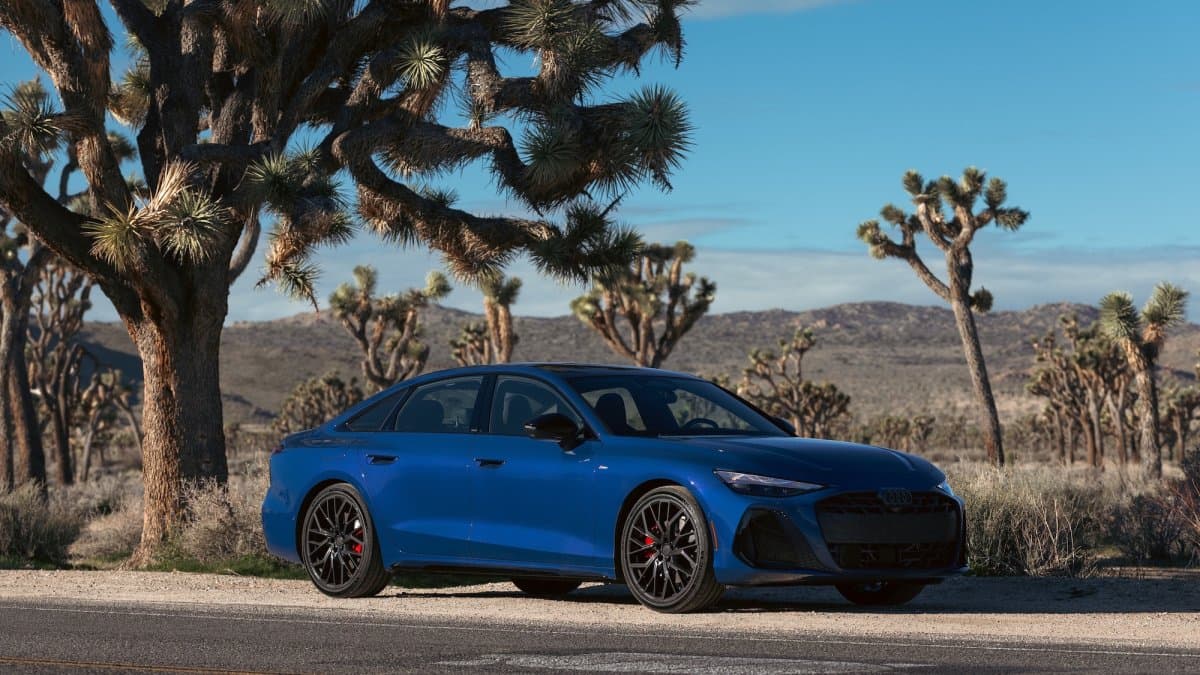
How Audi’s Electromechanical Progressive Steering Works
Why It Matters
The steering system boosts driver confidence and safety while differentiating Audi in a crowded premium market, setting a benchmark for future assisted‑driving platforms.
Key Takeaways
- •Electromechanical progressive steering varies ratio via tooth spacing.
- •Provides lighter low‑speed turn and firmer high‑speed feel.
- •Integrates with lane‑keeping and other driver‑assist systems.
- •Combined with all‑wheel steering for up to 5° rear wheel angle.
- •Standard 14.5‑inch OLED and 4K dashcam enhance driver experience.
Pulse Analysis
The shift from hydraulic to electric power steering has been a cornerstone of modern vehicle dynamics, but Audi pushes the envelope with electromechanical progressive steering. By engineering variable tooth spacing in the steering rack, the system delivers a continuously adapting steering ratio, offering effortless maneuverability in tight spaces and precise control at highway speeds. This mechanical‑electronic hybrid reduces drag compared with traditional systems, translating into smoother feedback and lower energy consumption.
Audi’s implementation pairs the progressive steering with all‑wheel steering, allowing the rear wheels to turn up to five degrees opposite the front wheels at low speeds and in the same direction at higher speeds. The synergy creates a tighter turning circle for city driving while enhancing stability during lane changes or high‑speed runs on the Autobahn. Integrated with the vehicle’s electronic control unit, the steering system also feeds data to lane‑keeping assist and other driver‑assist features, reinforcing safety and paving the way for more advanced autonomy.
In a market where premium brands race to embed sophisticated driver‑assist tech, Audi’s A6 sets a new standard for handling and safety. Competitors such as Mercedes‑Benz and BMW offer similar EPS solutions, but Audi’s early adoption and refinement of progressive steering give it a competitive edge. As consumers demand both performance and convenience, technologies that blend mechanical precision with electronic adaptability will become essential, positioning Audi to influence the next generation of semi‑autonomous luxury sedans.
How Audi’s electromechanical progressive steering works
Comments
Want to join the conversation?
Loading comments...