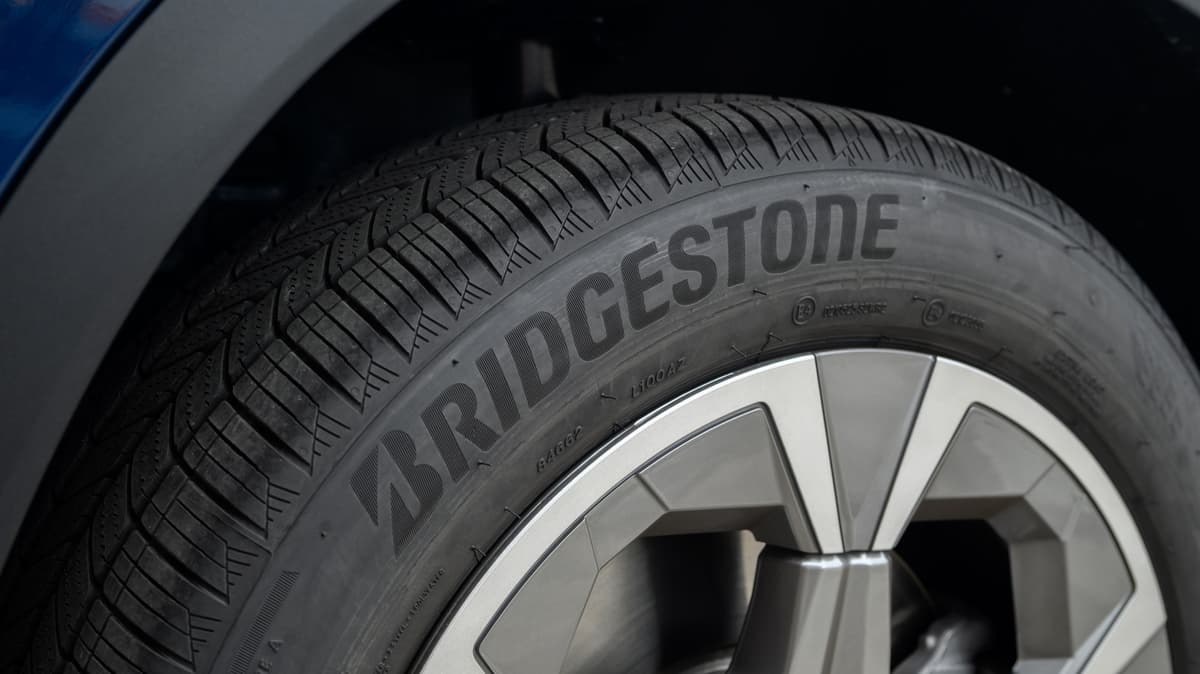
How Bridgestone Tires Stack Up Against Michelin According To Consumer Reports

Why It Matters
The gap highlights shifting consumer confidence toward Michelin, potentially reshaping OEM tire specifications and after‑market sales. Bridgestone’s weaker performance may pressure the brand to accelerate product innovation and service improvements.
Key Takeaways
- •Michelin tops Consumer Reports 2026 tire rankings.
- •Bridgestone falls to 10th place among 30 brands.
- •Only six of ten Bridgestone tires earn CR recommendation.
- •Owner satisfaction for Bridgestone below average across models.
- •JD Power shows Bridgestone weak in passenger car segment.
Pulse Analysis
Michelin’s dominance in Consumer Reports and JD Power surveys underscores a broader industry trend: brands that consistently deliver on comfort, braking, and durability are capturing premium market share. The French manufacturer’s ability to secure the "CR Recommended" badge across all tested models signals robust R&D pipelines and strong OEM partnerships, positioning it as the go‑to choice for both original equipment and replacement buyers. This advantage translates into higher resale values for vehicles equipped with Michelin tires, reinforcing the brand’s premium pricing power.
Conversely, Bridgestone’s slide to tenth place reveals vulnerabilities in its product portfolio and customer service ecosystem. Lower owner‑satisfaction scores, especially regarding warranty handling and rapid wear, erode brand loyalty and can deter fleet operators and individual consumers alike. The disparity between technical test results and real‑world feedback suggests that Bridgestone may need to recalibrate its quality control processes and enhance post‑sale support to regain trust.
The competitive dynamics between these tire giants have implications for the broader automotive supply chain. OEMs, which rely heavily on tire performance data for vehicle engineering, may prioritize Michelin for new models, potentially limiting Bridgestone’s presence in future vehicle line‑ups. Meanwhile, aftermarket retailers could see shifting demand patterns, prompting them to adjust inventory strategies. For investors and industry analysts, the divergent trajectories signal where capital and innovation are likely to flow in the tire sector over the next few years.
How Bridgestone Tires Stack Up Against Michelin According To Consumer Reports
Comments
Want to join the conversation?
Loading comments...