How Cities and Transit Agencies Are Preparing for the 2026 FIFA World Cup
Why It Matters
Enhanced transit infrastructure and targeted funding will mitigate congestion, improve visitor experience, and generate significant economic upside for host regions, setting a template for future mega‑events.
Key Takeaways
- •Host cities receive $8‑$10 M federal transit grants.
- •Decatur could earn $142 M from World Cup spillover.
- •Atlanta adds BRT line; LA opens subway extension for matches.
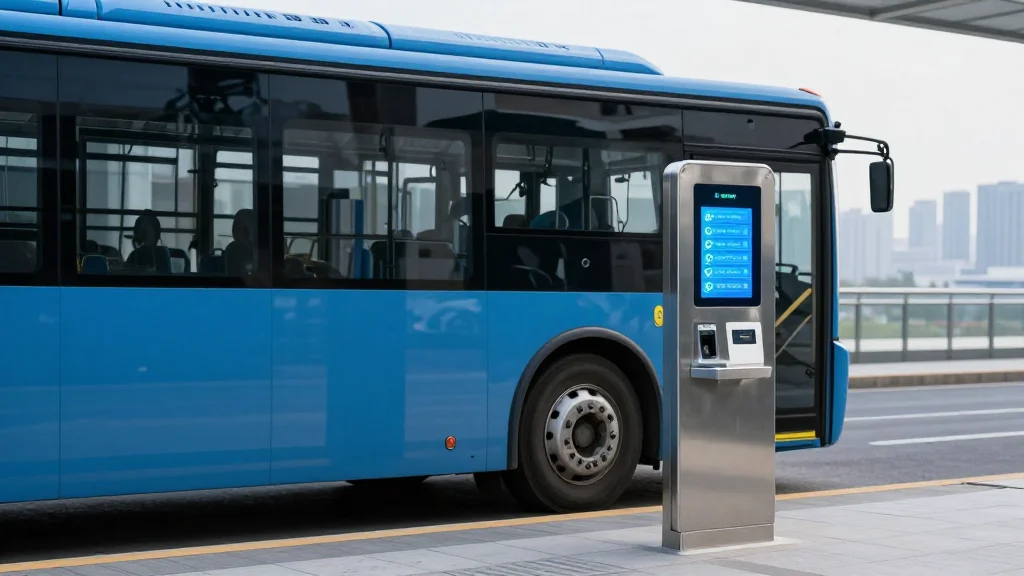
- •Uber installs multilingual payment kiosks at airports and hotels.
- •Intercity buses offer low‑cost, scalable capacity for mega‑events.
Pulse Analysis
The 2026 World Cup presents a rare convergence of sport and urban mobility, with the United States investing heavily in transit upgrades to accommodate an estimated 10,000 daily visitors in peripheral cities like Decatur. Federal grants of $8‑$10 million per host city are earmarked for expanding bus fleets, adding rapid‑transit corridors, and enhancing signal priority, creating a lasting legacy that extends beyond the tournament’s July finale. These funds also help cities meet heightened security and accessibility standards required for a global audience.
Transit agencies are seizing the spotlight to showcase modernized networks. Atlanta’s redesigned bus system and new BRT line, Los Angeles County Metro’s subway extension, and Seattle’s completed light‑rail segment to the downtown stadium illustrate a coordinated push to reduce car dependency and streamline crowd flow. Simultaneously, ride‑hailing platforms like Uber are deploying multilingual payment kiosks at airports, hotels, and ports, simplifying the first‑mile connection for international fans and reducing cash‑handling friction. Such public‑private collaborations are essential for managing peak‑hour surges without overwhelming existing infrastructure.
Beyond the World Cup, the transportation strategies being tested will inform preparations for the 2028 Olympics and other large‑scale gatherings. Experts highlight intercity buses as an underutilized, cost‑effective solution that can quickly scale capacity with minimal public expenditure. By integrating these affordable options with high‑visibility rail projects, cities can craft resilient, multimodal ecosystems that deliver economic benefits—potentially exceeding $140 million in ancillary spending for adjacent communities—while setting new standards for sustainable, visitor‑friendly urban transit.
How cities and transit agencies are preparing for the 2026 FIFA World Cup
Comments
Want to join the conversation?
Loading comments...