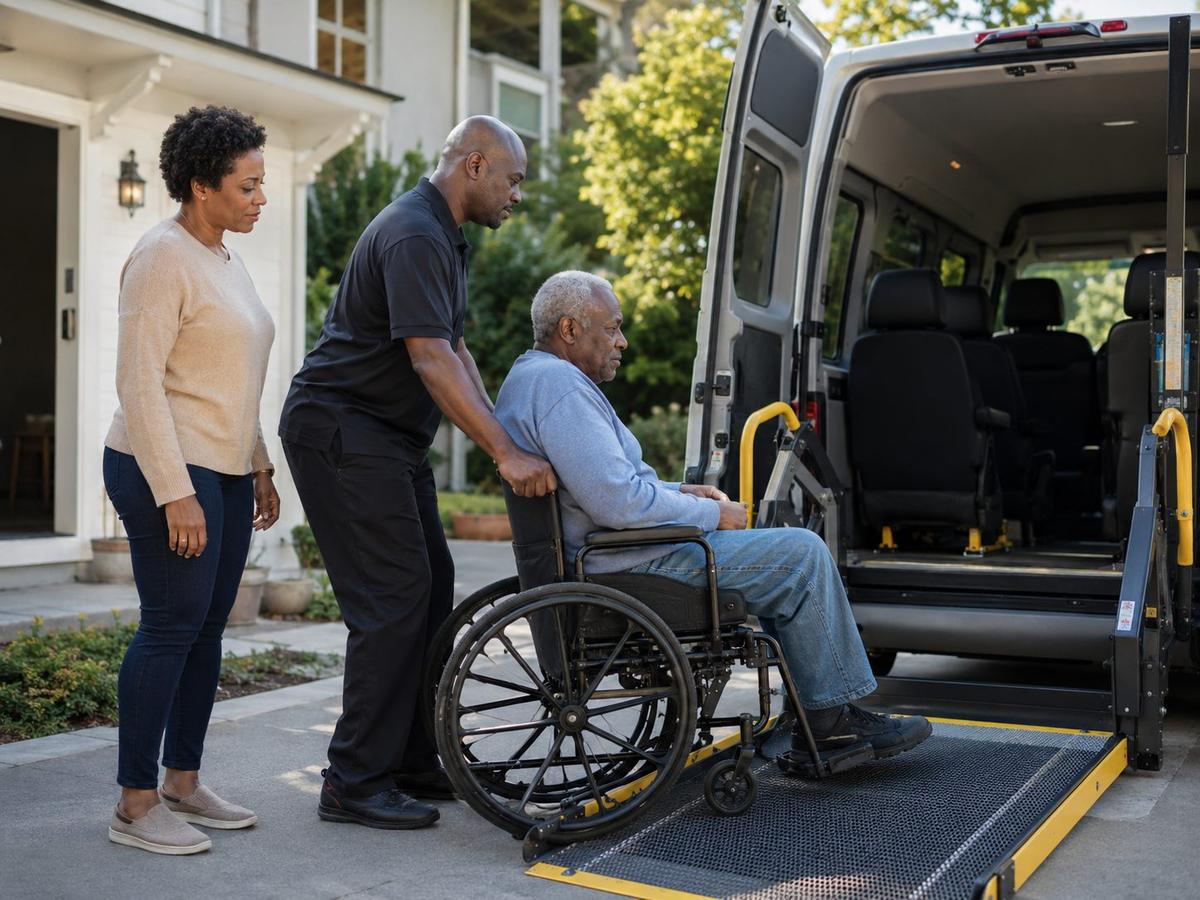
How Digital Booking Systems Can Reduce the Burden of Arranging Non-Emergency Medical Transportation
Why It Matters
Efficient NEMT coordination directly impacts appointment adherence and hospital discharge outcomes, reducing missed care and costly last‑minute rearrangements. Digital booking reduces administrative burden, improves patient safety, and can lower overall transportation expenses.
Key Takeaways
- •Digital platforms consolidate multiple NEMT providers into a single request
- •Proper vehicle selection prevents delays, extra costs, and safety risks
- •Comparing quotes reveals price variance due to proximity, staffing, and service level
- •Hospital discharge rides require same‑day coordination and clear assistance details
- •Simple online forms plus phone support improve adoption among older adults
Pulse Analysis
Non‑emergency medical transportation is a critical yet often overlooked component of the U.S. healthcare continuum. With an estimated $5 billion annual spend on NEMT services, fragmented provider networks and inconsistent pricing create barriers for patients with disabilities, seniors, and chronic‑illness cohorts. Missed appointments and delayed discharges not only jeopardize health outcomes but also inflate hospital readmission rates, prompting payers and regulators to scrutinize transportation logistics as a cost‑containment lever.
Digital booking platforms are reshaping this landscape by aggregating provider inventories into a single, searchable marketplace. Tools such as MedicalRide.org capture essential ride specifications—wheelchair, stretcher, door‑to‑door assistance—and instantly match them with nearby fleets, delivering real‑time price quotes and availability. This transparency empowers families to compare options, negotiate better rates, and avoid the costly inefficiencies of repeated phone calls. Moreover, algorithmic routing optimizes vehicle dispatch, reducing mileage and driver idle time, which can translate into modest savings for both users and insurers.
For healthcare systems, integrating a digital NEMT solution into discharge planning workflows can streamline care coordination and improve patient satisfaction scores. Hospitals that embed these platforms into electronic health records gain visibility into transportation readiness, allowing case managers to pre‑authorize rides and ensure compliance with CMS readmission penalties. As the industry moves toward value‑based care, seamless transport orchestration will become a differentiator, encouraging broader adoption of interoperable booking APIs and potentially prompting policy incentives for standardized pricing structures.
How Digital Booking Systems Can Reduce the Burden of Arranging Non-Emergency Medical Transportation
Comments
Want to join the conversation?
Loading comments...