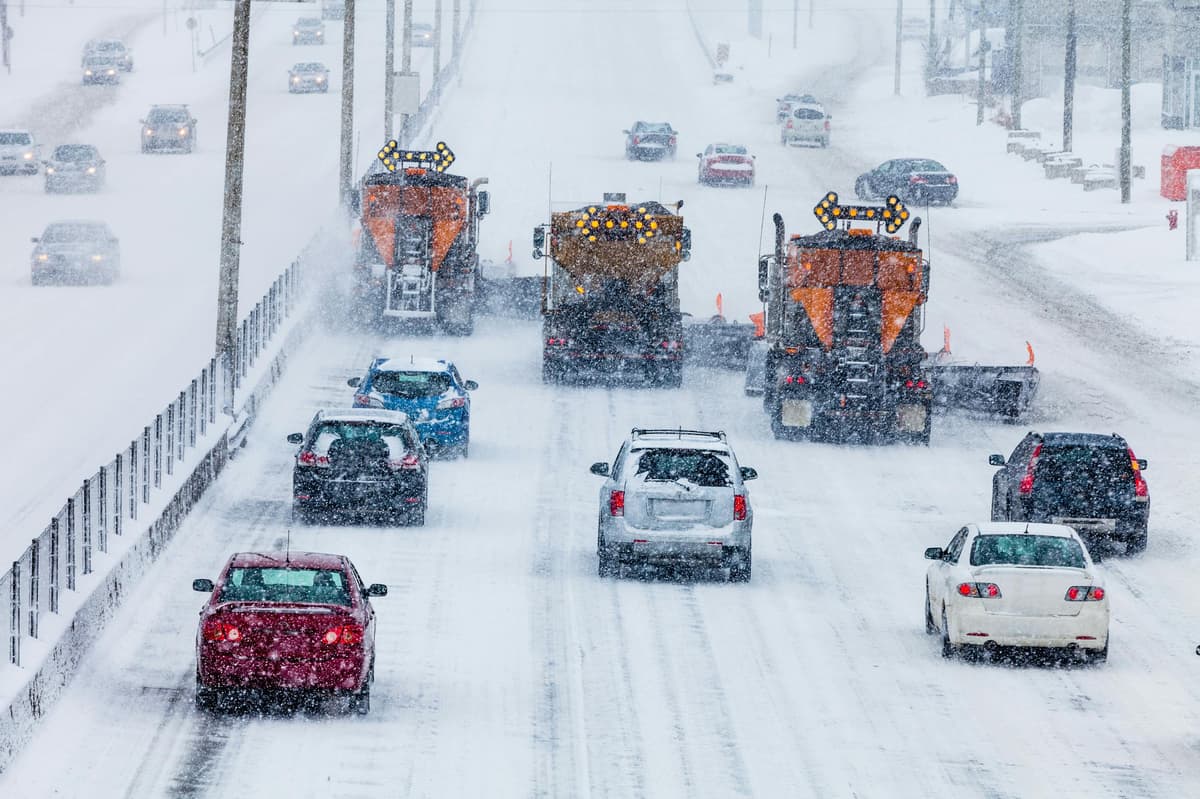
How DOTs Are Using Snow Sensors, RWIS and MDSS to Improve Winter Operations
Why It Matters
Accurate, real‑time snow and pavement data enable DOTs to allocate resources more efficiently, reducing overspend and keeping highways open during storms. The shift toward integrated weather platforms signals a broader industry move toward data‑driven infrastructure management.
Key Takeaways
- •LIDAR sensors deliver real‑time snow depth despite active snowfall.
- •Ultrasonic sensors degrade under heavy snow and temperature gradients.
- •Full RWIS/MDSS platforms integrate weather, pavement, and forecast data.
- •Incremental sensor upgrades lower upfront cost but risk siloed data.
Pulse Analysis
Winter weather remains a perennial challenge for U.S. transportation agencies, but the unprecedented snowfall of early 2026 exposed costly inefficiencies in traditional snow‑removal strategies. Budget overruns forced state DOTs to reassess their data collection methods, leading many to adopt more sophisticated sensing technologies. By integrating snow‑depth measurements with pavement‑temperature and wind data, agencies can transition from reactive plowing to proactive, condition‑based decision making, ultimately protecting taxpayer dollars and road users alike.
LIDAR‑based snow sensors, such as R.M. Young’s SNOdar, have emerged as a game‑changer. Unlike ultrasonic units that rely on acoustic waves and suffer interference from snowflakes, LIDAR emits a narrow laser beam that accurately gauges surface distance even during intense storms. Their low 0.5 W power draw enables solar‑battery operation in remote locations, while built‑in data logging safeguards information during power or communication outages. These technical advantages translate into more reliable inputs for forecasting models and quicker operational responses.
The strategic dilemma for DOTs lies in choosing between piecemeal sensor upgrades and a comprehensive RWIS/MDSS overhaul. Incremental deployments lower capital outlay but risk creating data silos that limit holistic analysis. Full‑scale platforms, exemplified by MinnDOT’s 160‑station network, fuse real‑time weather, pavement conditions, and predictive forecasts to guide chemical application, plow routing, and crew allocation. As climate variability intensifies, the industry is likely to favor integrated, data‑rich ecosystems that deliver both safety and fiscal prudence.
How DOTs Are Using Snow Sensors, RWIS and MDSS to Improve Winter Operations
Comments
Want to join the conversation?
Loading comments...