How Gong Cha Overhauled Its Supply Chain for US Growth
Why It Matters
Standardizing the franchise and supply chain gives Gong cha tighter cost control, faster delivery and consistent brand experience, positioning it to capture a larger share of the fast‑growing U.S. bubble‑tea market. The model showcases how franchisors can gain competitive advantage by internalizing logistics and sourcing.
Key Takeaways
- •Direct franchising ensures menu consistency across all U.S. stores
- •Five regional warehouses enable faster, cost‑effective deliveries
- •Gong cha owns tea farms and controls customs brokerage
- •Vendor relationships leverage past experience from Smoothie King and Wingstop
Pulse Analysis
The bubble‑tea sector in the United States has surged past $2 billion, prompting established Asian brands to accelerate growth. Gong cha Global’s decision to transition from a master‑franchise to a direct‑franchise model reflects a broader industry trend: franchisors are taking greater operational control to ensure brand uniformity and to streamline expansion. By acquiring 170 existing U.S. stores and targeting an additional 1,000 units, Gong cha is positioning itself as a dominant player, but that ambition hinges on a supply chain that can scale without sacrificing quality.
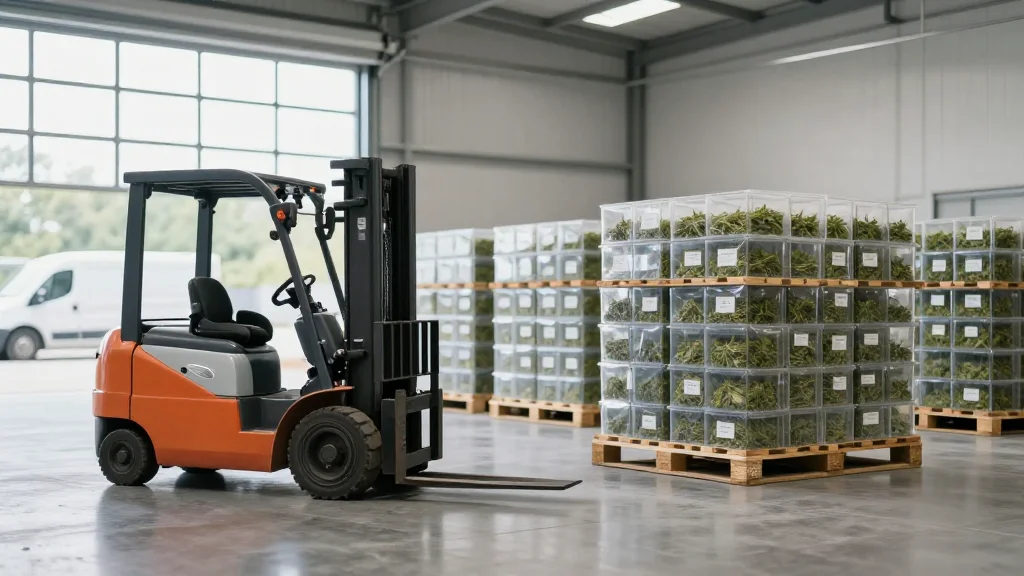
Central to the overhaul is a regional warehouse network designed around store density. Operating five full‑service facilities, the company can consolidate receiving, inventory management, and outbound shipping while employing speed‑rack technology for first‑in‑first‑out accuracy. This geographic placement reduces freight costs and shortens delivery windows, a critical advantage in a market where freshness is a key differentiator. The direct‑franchise model also simplifies training and compliance, ensuring every location—from Chicago to San Francisco—delivers the same product experience.
Beyond domestic logistics, Gong cha has taken a hands‑on approach to sourcing. Owning tea farms in East Asia and managing its own customs brokers gives the brand direct oversight of raw‑material quality and lead times, which typically span three months from harvest to U.S. shelves. Leveraging long‑standing vendor relationships from previous roles at Smoothie King and Wingstop, the company secures reliable freight lanes and warehousing partnerships. This integrated supply‑chain strategy not only reduces costs but also creates a scalable blueprint that other franchisors can emulate as they chase growth in the competitive specialty‑beverage space.
How Gong cha overhauled its supply chain for US growth
Comments
Want to join the conversation?
Loading comments...