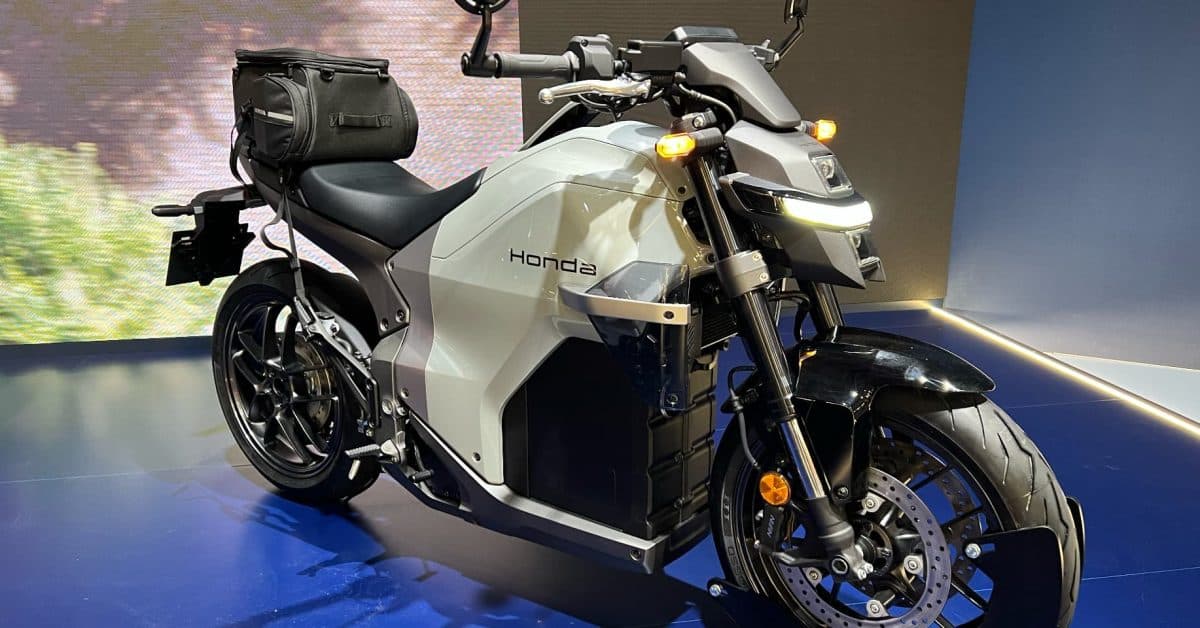
How Honda, Yamaha, and Other Japanese Leaders Are Racing Towards Electric Motorcycles
Companies Mentioned
Why It Matters
The shift signals that the world’s largest two‑wheel manufacturers are committing to electrification, reshaping market dynamics and accelerating the path to carbon‑neutral mobility. Their scale and supply‑chain strength could outpace startups, driving broader consumer adoption of electric motorcycles.
Key Takeaways
- •Honda plans dedicated electric bike plant in India
- •Yamaha targets 30% electric models in lineup
- •Kawasaki launches two commuter electric motorcycles
- •Suzuki focuses on scooters and alternative fuels
- •Battery cost and charging gaps remain major hurdles
Pulse Analysis
Japan’s motorcycle industry, long dominated by internal‑combustion performance machines, is now pivoting toward electrification as regulatory pressure and consumer demand for low‑carbon transport intensify. Global two‑wheel electric sales are projected to exceed 30 million units by 2030, and the country’s legacy manufacturers are leveraging their extensive R&D, dealer networks, and brand equity to capture a share of this growth. By integrating electric scooters into Asian and European markets, they are establishing a foothold that can be expanded into higher‑performance segments.
Honda, the world’s largest bike maker, has taken a bold step with a new electric‑motorcycle plant in India, targeting both local demand and export opportunities. Its portfolio now includes battery‑swap scooters and a full‑size commuter bike, indicating confidence that electric models can move beyond urban niche use. Yamaha, meanwhile, is pursuing a 30% electric share of its future lineup, rolling out scooters across Asia and Europe while experimenting with electric dirt‑bike concepts. Kawasaki’s recent launch of two commuter‑focused e‑bikes and Suzuki’s emphasis on scooters and alternative fuels illustrate a diversified approach that balances risk while testing market appetite.
Despite progress, significant hurdles remain. Battery costs are still high, limiting range and price competitiveness, while charging infrastructure lags behind in many regions, especially outside major cities. Packaging constraints on small frames also challenge designers seeking adequate energy density. However, the manufacturers’ scale gives them leverage to negotiate better battery pricing and to influence policy for charging networks. As these legacy players scale production, they are poised to set industry standards and potentially outpace startups, making electric motorcycles a mainstream mobility option by the end of the decade.
How Honda, Yamaha, and other Japanese leaders are racing towards electric motorcycles
Comments
Want to join the conversation?
Loading comments...