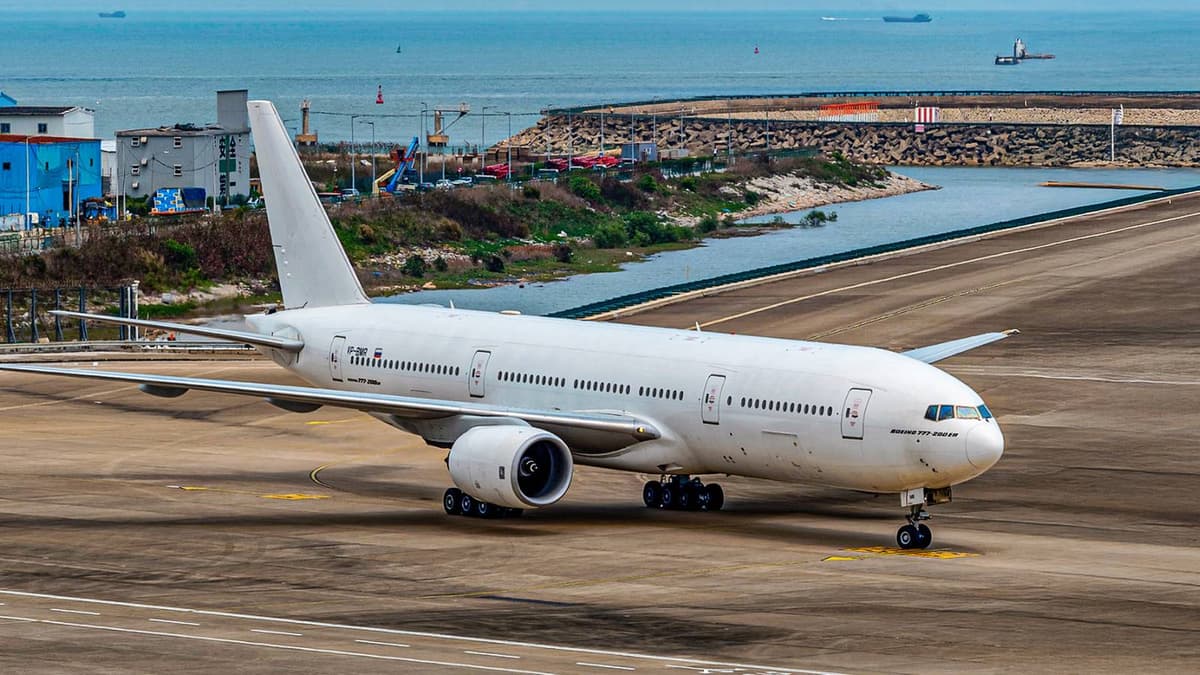
How Iran Defied Sanctions To Build A Secret Boeing Fleet
•March 6, 2026
0
Companies Mentioned
Why It Matters
The operation shows how sanctions can be evaded, enabling Iran to project military power and sustain illicit logistics, which reshapes regional security calculations and challenges enforcement regimes.
Key Takeaways
- •Iran operates ~60 Boeing jets despite sanctions
- •Fake flight plans mask aircraft diversions into Tehran
- •Front companies funnel U.S./EU parts through multiple layers
- •Russia grants Iranian firms MRO licenses amid sanctions
Pulse Analysis
Iran’s ability to keep a sizable fleet aloft hinges on a sophisticated shadow network that sidesteps sanctions through document forgery and in‑flight deception. By filing legitimate flight plans to neighboring countries and then declaring emergencies or turning off transponders, pilots can land seized aircraft in Tehran without triggering export‑control alarms. The process creates a labyrinth of false registrations and shell corporations that obscure ownership, allowing Iran to acquire airframes that would otherwise be barred from its market.
Beyond acquisition, Iran has invested heavily in reverse‑engineering critical components, achieving a level of domestic production that rivals original equipment manufacturers. The 2022 cooperation agreement with Russia deepened this capability, granting Iranian firms access to Russian MRO facilities and technical expertise while providing Moscow with Iranian‑made parts to offset its own sanctions. This symbiotic relationship fuels a secondary market where used Western parts are re‑branded, refurbished, and re‑integrated into the fleet, sustaining operational readiness despite external pressure.
Once integrated, the aircraft become dual‑use assets under the IRGC’s Unit 190, ferrying weapons, drones, and personnel to allies in conflict zones from Ethiopia to Venezuela. By embedding military cargo in civilian flights, Iran shields these missions from direct targeting, complicating international monitoring efforts. The recent Operation Epic Fury strikes on Iranian aerospace hubs threaten to cripple the maintenance ecosystem, but the entrenched procurement channels and Russian partnership suggest the network could adapt, preserving Iran’s strategic airlift capability and influencing regional power dynamics.
How Iran Defied Sanctions To Build A Secret Boeing Fleet
0
Comments
Want to join the conversation?
Loading comments...