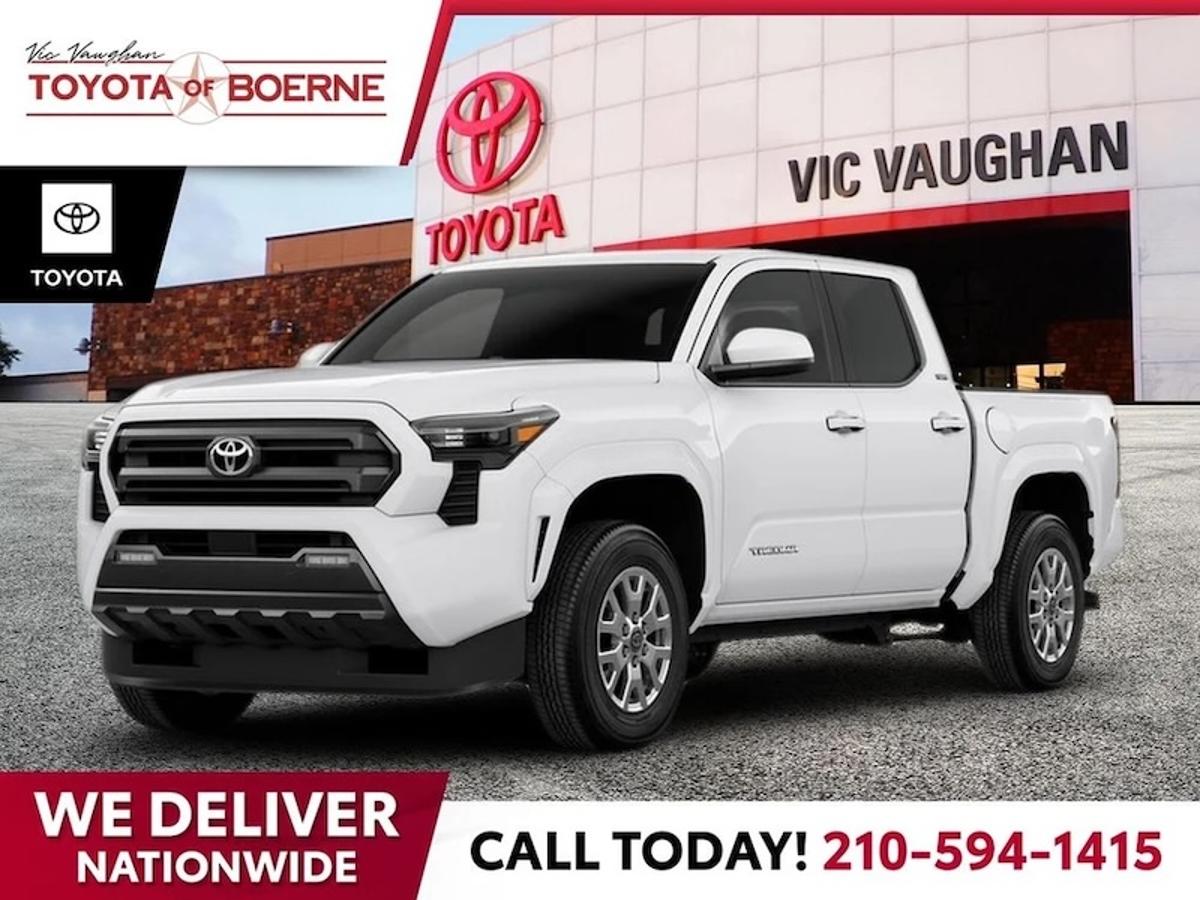
How Modern Pickup Trucks Are Evolving with Smarter Performance Technology
Why It Matters
The convergence of mechanical strength with software‑driven features expands trucks’ appeal to both work and lifestyle buyers, driving higher margins for manufacturers and accelerating adoption of electrified powertrains.
Key Takeaways
- •Turbocharged engines boost low‑speed torque while improving fuel economy
- •Multi‑speed transmissions and drive modes enhance performance on varied terrain
- •Digital off‑road systems use sensors to auto‑adjust traction and braking
- •Cabin screens and driver‑assist tech increase safety and driver awareness
- •Revised chassis and suspension improve ride comfort without sacrificing payload
Pulse Analysis
Consumer preferences for pickups are evolving from pure brute force to a blend of capability and connectivity. Buyers now expect a vehicle that can tow a trailer, navigate city streets, and provide real‑time data on performance. Automakers respond by layering turbocharged powertrains with multi‑speed gearboxes and adaptive drive modes, delivering stronger low‑end torque while trimming fuel consumption. This balance of power and efficiency positions trucks as viable alternatives to traditional SUVs, especially as regulatory pressures tighten emissions standards.
On the off‑road front, digital assistance has become a cornerstone of modern truck design. Integrated sensors monitor wheel slip, tire pressure and terrain type, instantly adjusting torque distribution and braking pressure to maintain traction. Advanced crawl control and terrain‑management software let drivers tackle steep, uneven surfaces with minimal manual input, reducing driver fatigue and vehicle wear. Coupled with refined chassis engineering—such as reinforced frames and tuned suspensions—these systems preserve the rugged feel of a truck while delivering a smoother, more controlled ride.
The cabin experience mirrors the broader tech shift, featuring full‑color digital instrument clusters, high‑resolution cameras for 360° visibility, and driver‑assist suites that blend adaptive cruise control with lane‑keeping. These tools not only boost safety but also keep drivers informed about engine performance, fuel efficiency and maintenance needs. As manufacturers embed more software into core vehicle functions, the platform becomes a natural conduit for future electrification and over‑the‑air updates, ensuring that today’s trucks remain adaptable for tomorrow’s mobility demands.
How Modern Pickup Trucks Are Evolving with Smarter Performance Technology
Comments
Want to join the conversation?
Loading comments...