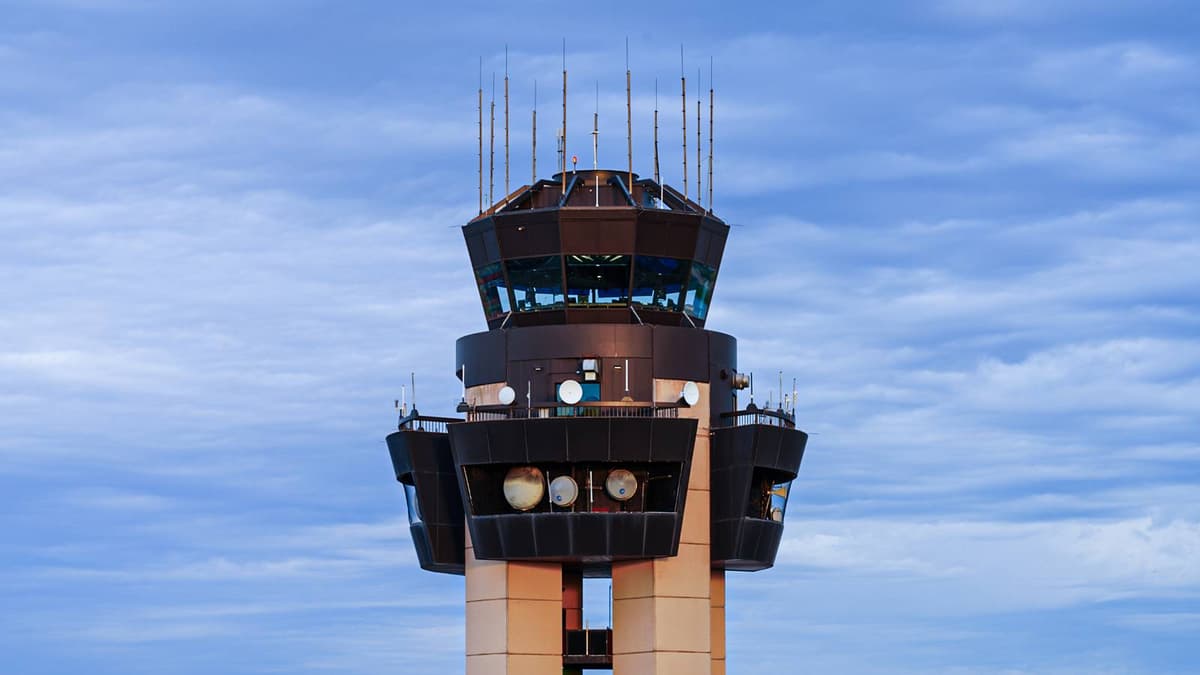
How Much Do Air Traffic Controllers At The World's Busiest Airports Actually Earn In 2026?
Companies Mentioned
Why It Matters
Higher pay is the FAA’s primary lever to halt early retirements and fill critical gaps, directly affecting the safety and capacity of the nation’s airspace. The compensation surge also reshapes global talent competition for air‑traffic‑control professionals.
Key Takeaways
- •Median ATC salary 2026: $144,580.
- •Level‑12 towers cap pay at $228,000.
- •FAA adds 3.8% wage hike and 20% retention bonus.
- •Starting trainee pay up 30% to attract talent.
- •International peers earn $108‑$122k, below U.S. caps.
Pulse Analysis
The United States faces an unprecedented air‑traffic‑controller shortage, prompting the FAA to deploy a targeted compensation package in its 2026 budget. By raising base wages 3.8% and offering a 20% retention bonus for each additional year a veteran stays on the job, the agency hopes to curb the wave of early retirements that threatens to thin the talent pool. Coupled with a 30% increase in trainee salaries, the strategy aims to make the profession competitive with private‑sector analytics roles, while still managing federal budget constraints.
At the operational level, the FAA’s tiered system (levels 4‑12) directly ties pay to airspace complexity. Controllers at level‑12 sites—where traffic density, runway intersections, and aircraft diversity are highest—can quickly reach the $228,000 compensation ceiling through base pay and overtime at time‑and‑a‑half. However, once the cap is hit, any extra hours become unpaid, creating a paradox that fuels burnout and raises questions about long‑term sustainability. The retention bonuses and overtime premiums are short‑term fixes that must be balanced against workforce health and morale.
Globally, the U.S. pay structure dwarfs that of its peers. Australian Airservices staff average $122,000, while the UK’s NATS and Germany’s DFS hover around $108,000‑$110,000. The disparity highlights America’s aggressive stance but also signals a potential talent drain as foreign controllers seek higher earnings abroad. As the FAA continues to grapple with staffing shortfalls, the interplay between generous compensation, work‑life balance, and international competition will shape the future of air‑traffic‑control recruitment and retention for the next decade.
How Much Do Air Traffic Controllers At The World's Busiest Airports Actually Earn In 2026?
Comments
Want to join the conversation?
Loading comments...