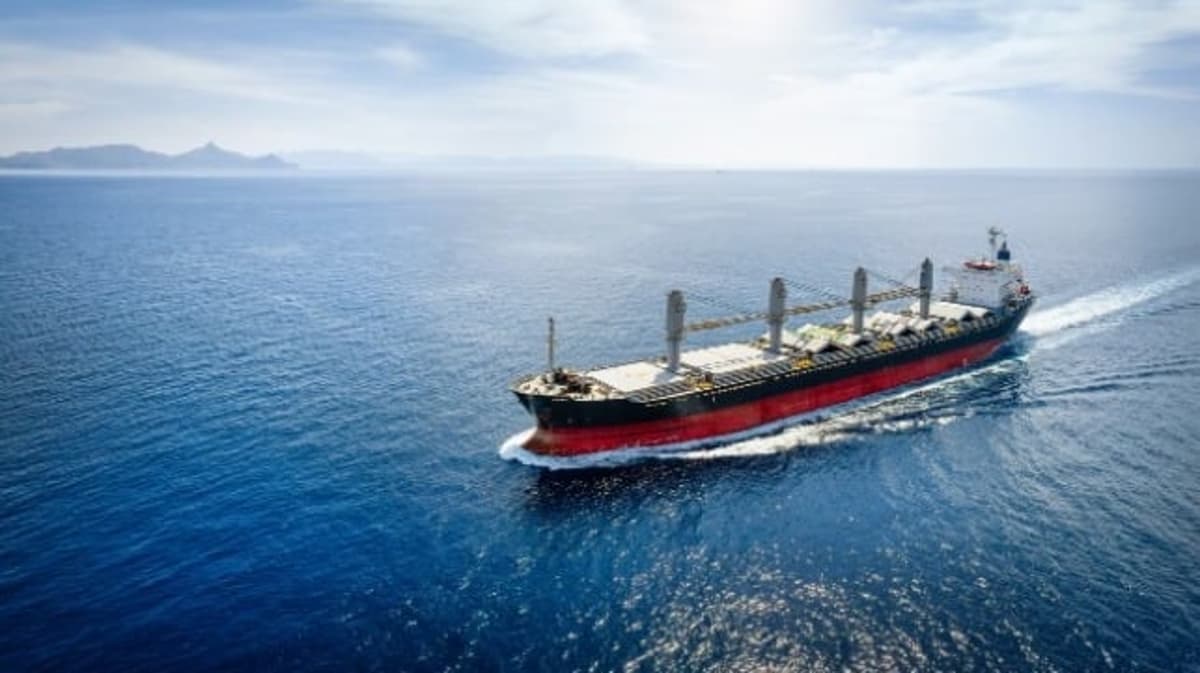
How Officers Manage Bulker Overloading Risks on the Mississippi
Why It Matters
Failure to manage draft accurately can result in denied canal transits, demurrage and heightened P&I exposure, directly impacting vessel profitability and reputation.
Key Takeaways
- •Freshwater density reduces buoyancy, raising draft by up to 0.5 ft.
- •Chief Officers must synchronize ballast removal with cargo loading to avoid instability.
- •Continuous draft surveys at multiple stations catch over‑draft before canal departure.
- •Non‑compliance can trigger costly canal delays, demurrage, and P&I claims.
Pulse Analysis
The Mississippi River’s freshwater environment poses a unique challenge for bulk carriers bound for the Panama Canal. Because freshwater is less dense than seawater, vessels sit deeper for the same weight, and seasonal density shifts—from 0.995 t/m³ in summer to 1.000 t/m³ in winter—can add several inches to draft. When combined with fuel burn and ballast adjustments, even modest miscalculations can push a ship beyond the dynamic 49‑ft limit, making early, data‑driven draft projections a non‑negotiable part of voyage planning.
Operators are responding by turning draft management into a continuous control process rather than a post‑load check. Effective practices include phasing ballast removal in tandem with cargo intake, conducting systematic draft readings at forward, midship and aft stations, and assigning a dedicated draft team during the final loading stages. Calibrated hydrometers, real‑time water‑sample analysis, and documented ballast plans ensure that the buoyancy assumptions reflect current river conditions. Written confirmations with terminal foremen and immediate reporting of any discrepancies to owners create a paper trail that protects against later disputes at the Canal.
The financial stakes underscore why these procedures matter. A denied or delayed Panama Canal transit can trigger demurrage, off‑hire penalties, repositioning costs, and heightened P&I claims—expenses that far outweigh berth overtime or tug fees. Moreover, repeated compliance failures erode a vessel’s reputation, limiting future charter opportunities. By embedding proactive draft oversight into the loading workflow, shipowners safeguard operational efficiency, protect profit margins, and maintain a competitive edge in the tightly scheduled Mississippi grain trade.
How Officers Manage Bulker Overloading Risks on the Mississippi
Comments
Want to join the conversation?
Loading comments...