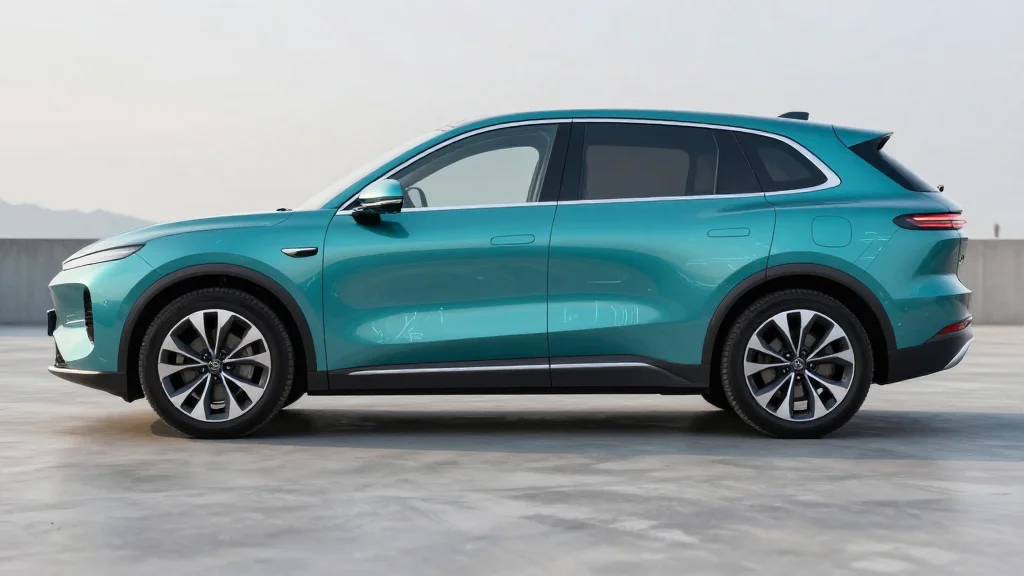
How Owners of EVs From Bankrupt Fisker Saved Their Cars With an Open Source Nonprofit

Companies Mentioned
Why It Matters
The FOA’s success shows that collective technical action can keep high‑value EVs on the road when manufacturers disappear, highlighting a critical gap in consumer protection and prompting calls for mandatory software escrow in the auto industry.
Key Takeaways
- •4,000 owners formed nonprofit FOA within months of bankruptcy
- •Reverse‑engineered firmware restored OTA updates and key‑fob functionality
- •Group purchases cut replacement fob cost from $1,000 to under $200
- •Open‑source GitHub tools enable Home Assistant integration for Ocean SUVs
- •Advocates demand mandatory software escrow to protect future EV owners
Pulse Analysis
The collapse of Fisker Inc. left thousands of Ocean SUV owners facing a unique dilemma: expensive, fully built electric cars that could no longer receive software updates or access essential services. In the automotive world, software is as vital as the drivetrain, and without a manufacturer to support it, vehicles can quickly become inoperable. This scenario exposed a structural weakness in the EV market, where owners depend on proprietary cloud platforms that vanish with the company’s demise. The Fisker Owners Association (FOA) emerged as a grassroots response, leveraging the technical expertise of its members to reverse‑engineer firmware and restore critical functions.
FOA’s approach combined open‑source development with coordinated procurement. By publishing reverse‑engineered code on GitHub, volunteers enabled owners to flash firmware, integrate the cars with Home Assistant, and even rebuild the My Fisker mobile app’s API. Simultaneously, the nonprofit organized bulk purchases of key fobs, negotiating prices down from roughly $1,000 each to under $200, and hosted free pairing events that saved owners $100‑$250 per vehicle. These actions not only revived the Ocean fleet but also created a sustainable ecosystem where owners can share updates, troubleshoot issues, and maintain their vehicles without relying on a bankrupt OEM.
The broader implications are profound. Consumer advocates are now pushing for legislation that would require automakers to fund software escrow accounts, ensuring that critical code remains accessible after a company exits the market. European manufacturers are already collaborating on shared open‑source platforms, signaling a shift toward greater transparency. As more EV startups face financial uncertainty, the FOA model offers a blueprint for protecting consumer investments and could reshape how the industry approaches software ownership, warranty obligations, and post‑bankruptcy support.
How Owners of EVs from Bankrupt Fisker Saved Their Cars With an Open Source Nonprofit
Comments
Want to join the conversation?
Loading comments...