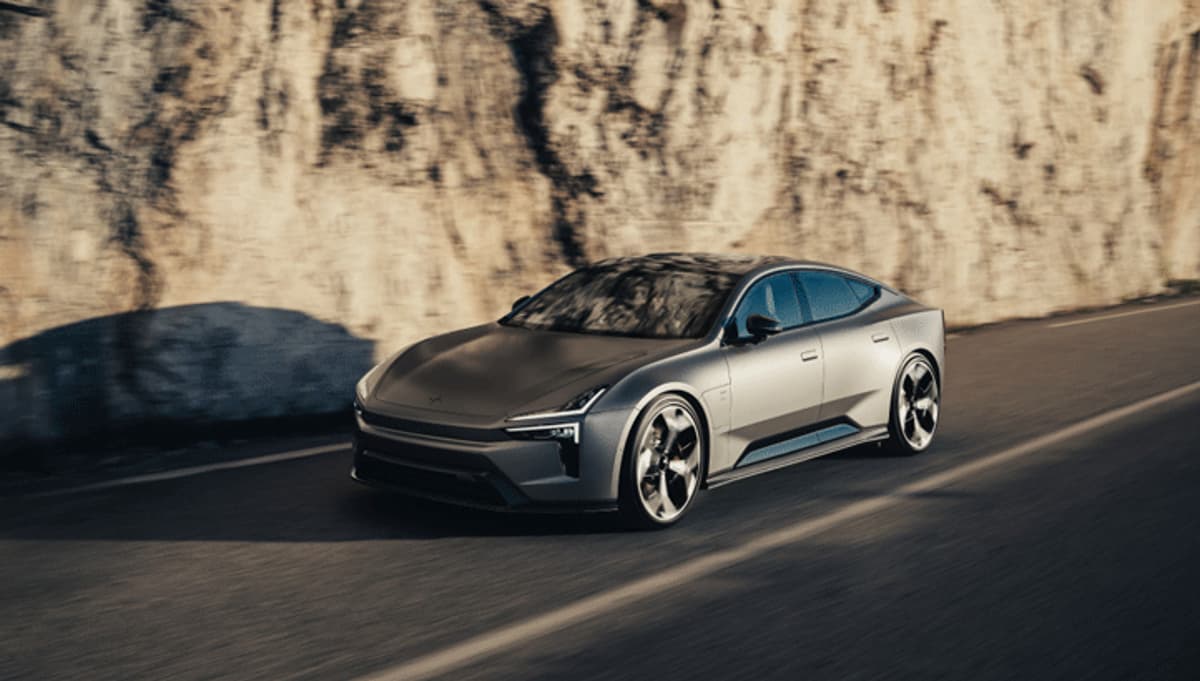
How Polestar Decoupled Emissions From Growth Amid Tariffs and a Global Fuel Crisis
Companies Mentioned
Why It Matters
Polestar’s emissions reduction proves electric‑vehicle firms can scale profitably while meeting climate targets, setting a benchmark for the auto industry facing regulatory and cost pressures.
Key Takeaways
- •Emissions per car fell 31% from 2020 to 2026.
- •Sales topped 60,000 units, covering 28 markets worldwide.
- •Introduced three new EV models while adding factories in three countries.
- •Europe accounts for over 75% of Polestar’s sales despite tariff pressures.
Pulse Analysis
Polestar’s 31 percent drop in lifecycle greenhouse‑gas emissions per car since 2020 reflects a systematic shift toward low‑carbon manufacturing and supply‑chain optimization. The firm invested in renewable energy at its production sites, sourced battery components with higher recycled content, and refined vehicle architecture to reduce weight and improve efficiency. By integrating carbon‑accounting tools into product development, Polestar can quantify emissions at each design stage, allowing engineers to prioritize material choices that lower the carbon footprint without sacrificing performance. This data‑driven approach aligns with the EU’s stricter CO₂ reporting standards.
Growth has not been sacrificed for sustainability. Polestar’s annual retail volume now exceeds 60,000 units, a milestone achieved while entering 28 international markets and adding three new electric models—each built on a modular platform that shares key modules across the lineup. Manufacturing capacity has been diversified across Sweden, China, and the United States, mitigating the impact of recent U.S. tariff disputes that have disrupted EV supply chains. The company’s pricing strategy, coupled with localized production, helped absorb the shock of the global fuel‑price surge triggered by the U.S.–Iran conflict.
The decoupling success positions Polestar as a reference point for legacy automakers and investors seeking scalable green growth. Analysts see the emissions metric as a leading indicator of operational resilience, especially as regulators tighten fleet‑average targets worldwide. For the broader market, Polestar’s model demonstrates that expanding sales volumes can coexist with aggressive climate goals, potentially accelerating the shift toward electric mobility. Looking ahead, the firm plans to introduce two additional models by 2028 and to further increase the share of renewable electricity in its factories, reinforcing its long‑term sustainability narrative.
How Polestar decoupled emissions from growth amid tariffs and a global fuel crisis
Comments
Want to join the conversation?
Loading comments...