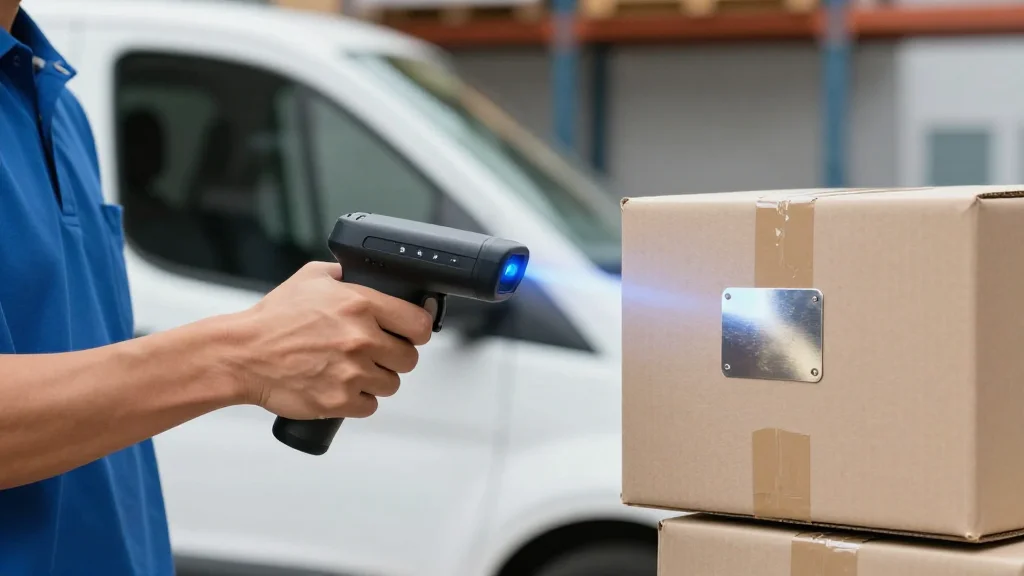
How RFID and AI Are Improving Delivery Reliability Across Logistics
Why It Matters
Enhanced visibility and automated verification lower operational costs and increase customer trust, giving adopters a competitive edge in an increasingly data‑driven logistics market.
Key Takeaways
- •RFID tags add automatic location data, complementing barcode systems
- •On‑device AI validates delivery photos, protecting privacy and confirming receipt
- •Real‑time data reduces manual scanning labor and boosts productivity
- •Incremental tech integration paves path toward autonomous, ‘dark’ facilities
Pulse Analysis
Logistics operators are increasingly layering Radio Frequency Identification onto existing barcode workflows rather than replacing them outright. An RFID‑tagged parcel broadcasts its position as it moves through hubs, generating billions of data points that feed a live, granular view of the supply chain. This automatic capture eliminates the need for manual scans, slashes labor costs, and supplies frontline managers with the actionable insight needed to reroute shipments or address bottlenecks instantly. By enriching the data environment, RFID creates a foundation for more sophisticated analytics and paves the way for downstream AI applications.
At the delivery endpoint, on‑device artificial intelligence is turning a simple photo into a secure proof‑of‑delivery tool. The AI engine evaluates the image within milliseconds, confirming that it meets quality standards while automatically blurring faces, license plates, or house numbers to safeguard privacy. This instant verification gives customers visual confirmation that their package arrived intact, reducing follow‑up calls and enhancing brand trust. Because the processing happens locally on the driver’s handheld, it adds no network latency and avoids the need for additional steps, keeping the workflow fast and driver‑friendly.
The broader implication is a shift from labor‑intensive routines to intelligent, optimized operations. By combining RFID’s continuous visibility with AI‑driven verification, firms can automate repetitive tasks while freeing skilled workers for higher‑value problem solving. This incremental layering of technologies reduces the capital risk of a single, massive overhaul and moves companies toward the long‑term vision of autonomous, “dark” warehouses that run with minimal human intervention. As supply chains become more data‑rich, competitive advantage will hinge on how quickly organizations can translate that insight into actionable efficiency gains.
How RFID and AI Are Improving Delivery Reliability Across Logistics
Comments
Want to join the conversation?
Loading comments...