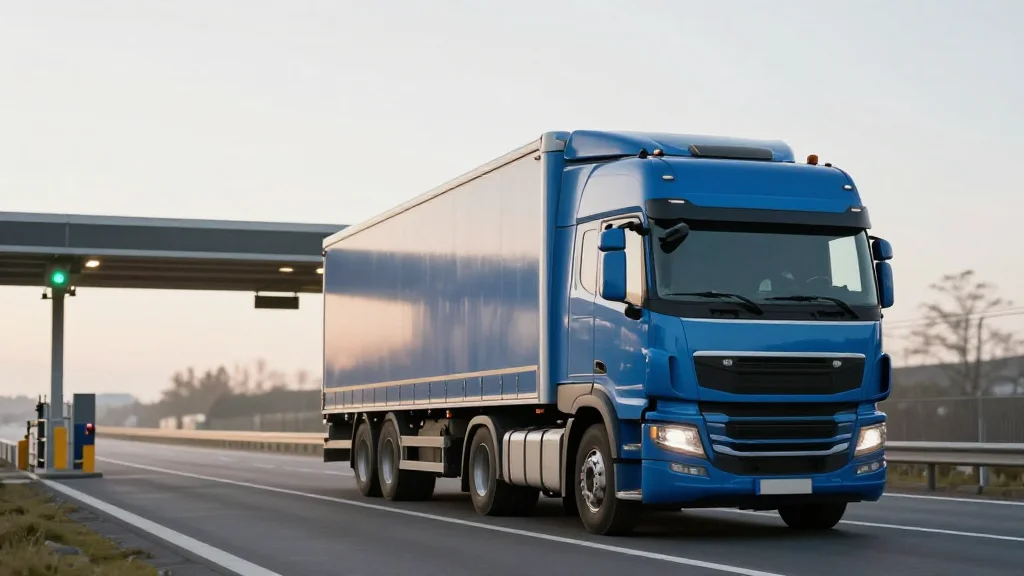
How Road-Toll Exemptions Can Accelerate the Rollout of Electric Trucks
Why It Matters
Toll exemptions instantly narrow the cost gap between diesel and electric trucks, fast‑tracking emissions reductions and reshaping Europe’s freight market. Policymakers gain a low‑cost lever to meet climate targets without waiting for long‑term contract cycles.
Key Takeaways
- •Full toll exemptions give 2026 parity for trucks in Germany, France, Sweden
- •By 2030, exemptions alone achieve cost parity across all six markets
- •Poland requires additional CO₂ charge to fully close TCO gap
- •Concession contracts can be renegotiated to apply exemptions before renewal
- •Maximum €0.16/km charge equals about $0.17 per km
Pulse Analysis
Europe’s freight sector faces mounting pressure from volatile energy prices and stricter climate rules, making diesel dependence increasingly untenable. The Eurovignette Directive, updated in 2022, offers a pragmatic policy tool: it allows member states to waive road tolls for zero‑emission trucks while imposing CO₂‑based fees on diesel fleets. By aligning toll structures with emissions, the directive directly influences the total‑cost‑of‑ownership (TCO) calculations that logistics firms use when choosing new vehicles. This approach sidesteps the need for large subsidies or tax reforms, delivering immediate economic incentives for cleaner fleets.
A recent International Council on Clean Transport (ICCT) study modeled the impact of full toll exemptions and the maximum €0.16 per kilometre CO₂ charge (roughly $0.17/km) across France, Germany, Italy, Poland, Spain and Sweden. The findings reveal that, for regional trucks, exemptions already achieve parity in Germany, France and Sweden for 2026 model‑year vehicles, while narrowing the gap to single‑digit percentages elsewhere. Long‑haul trucks see similar trends, with parity reached in France and Germany and gaps reduced to under 15 % in Italy and Spain. By 2030, the analysis predicts universal parity, indicating that toll policy alone can drive the market shift without additional incentives.
For industry leaders and policymakers, the takeaway is clear: road‑toll exemptions are the quickest, highest‑impact lever to accelerate zero‑emission truck adoption. Even in countries where motorways are run by private concessionaires, early renegotiation of contracts can unlock these benefits before existing agreements expire. Coupled with modest CO₂ charges where needed—such as in Poland—the directive can deliver cost‑competitive electric trucking across the continent, supporting EU emissions targets and reducing reliance on diesel fuel. This policy‑driven cost alignment positions Europe to become a global leader in sustainable freight logistics.
How road-toll exemptions can accelerate the rollout of electric trucks
Comments
Want to join the conversation?
Loading comments...