How the Iran Energy Crisis Is Supercharging Southeast Asia’s EV Transition
Why It Matters
The surge reshapes Southeast Asia’s automotive market, reducing oil import dependence and boosting Chinese EV manufacturers, while highlighting how geopolitical shocks can fast‑track clean‑tech transitions.
Key Takeaways
- •Iran crisis spikes fuel prices, spurring EV interest in Thailand, Vietnam, Philippines.
- •BYD leads Southeast Asian bookings, beating Toyota for first time.
- •Chinese EV subsidies cut prices up to $20,000 versus Tesla.
- •Singapore extends EV subsidies, mandates cleaner models from 2030.
- •Grid reliance on coal limits climate gains of regional EV surge.
Pulse Analysis
The ongoing Iran conflict has choked the Strait of Hormuz and prompted export bans from China and South Korea, tightening refined‑fuel supplies for Asia. With West Texas Intermediate hovering around $90 per barrel—still well above pre‑war levels—drivers in Southeast Asia face long queues and soaring pump prices. This immediate pain has turned attention toward electric vehicles, which convert roughly 90% of stored energy into motion versus about 25% for gasoline engines, offering a tangible pocket‑saving alternative during an energy crunch.
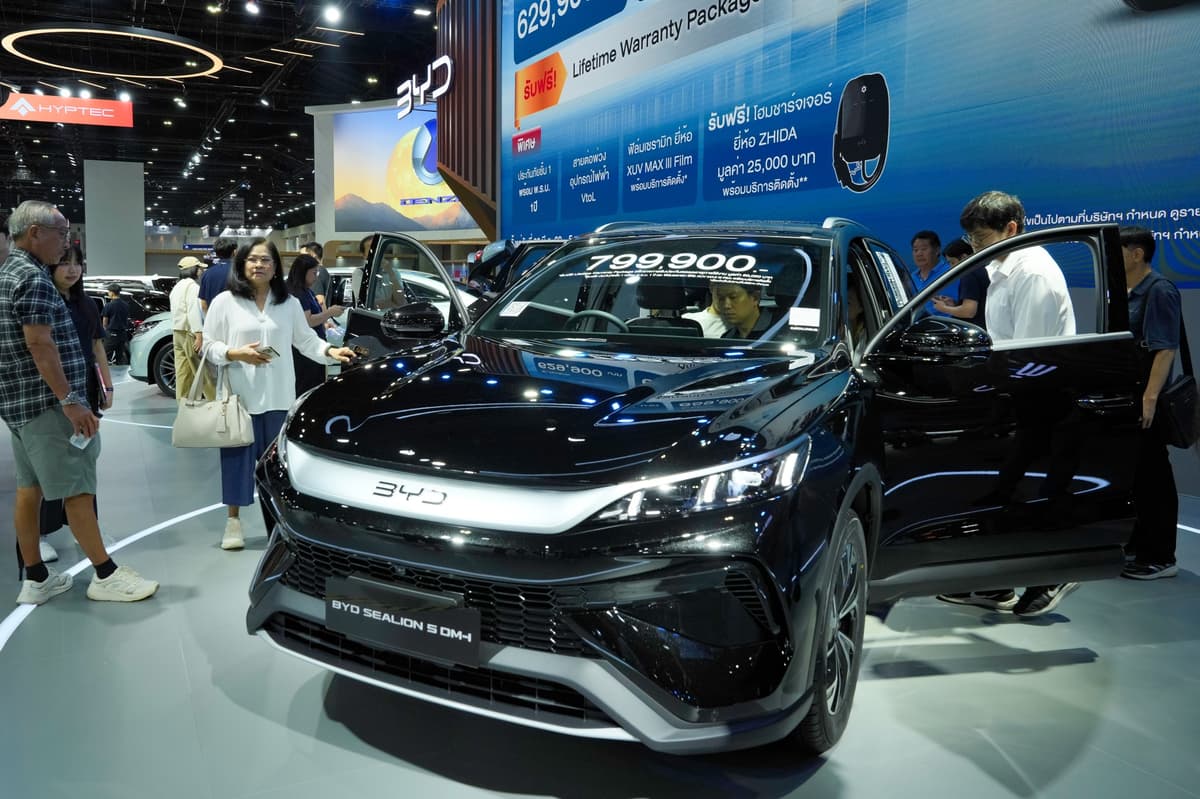
Chinese automakers, backed by over $230 billion in state subsidies since 2009, have leveraged lower battery costs and aggressive pricing to dominate the regional market. BYD’s record bookings at the Bangkok Auto Show, a $20,000 price advantage over comparable Tesla models, and strategic distribution deals with firms like Sime Darby and Ayala’s ACMobility illustrate how affordability and local partnerships are driving rapid EV uptake. Singapore’s policy push—extending EV subsidies, withdrawing hybrid incentives, and mandating cleaner‑energy models for new registrations from 2030—further cements the shift, while other markets such as Vietnam see EVs accounting for nearly 40% of new car sales.
Despite the momentum, the transition is not a panacea. Southeast Asia’s power grids remain heavily coal‑dependent, meaning the climate benefits of EVs hinge on cleaner electricity generation. Moreover, lithium‑ion batteries pose recycling and safety challenges, and life‑cycle cost analyses suggest EVs may not always be cheaper per mile when factoring insurance, longevity and disposal. Policymakers must therefore pair vehicle incentives with grid decarbonisation and robust battery‑recycling frameworks to ensure the EV surge delivers both energy security and genuine emissions reductions.
How the Iran energy crisis is supercharging Southeast Asia’s EV transition
Comments
Want to join the conversation?
Loading comments...