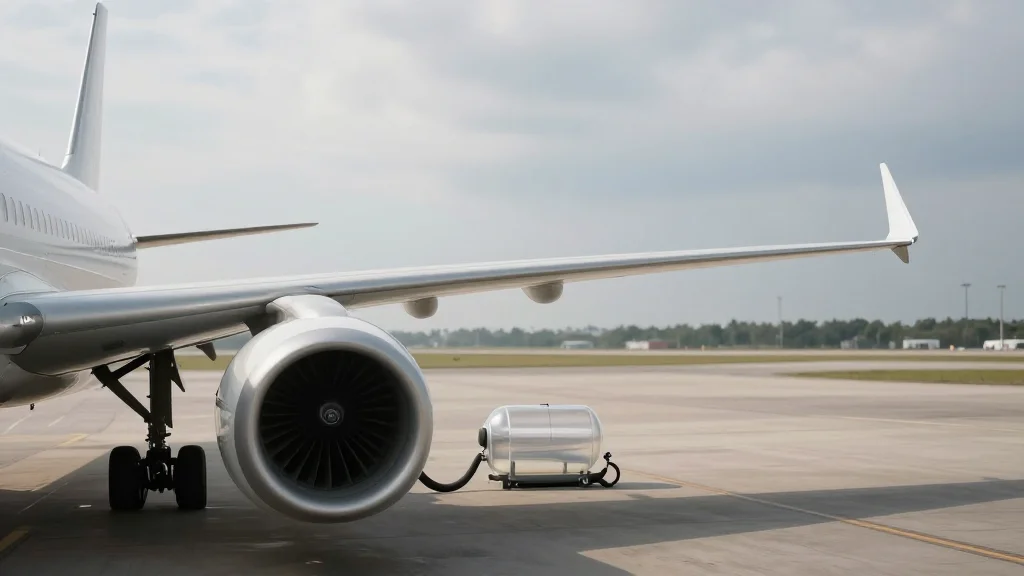
How the Iran War Is Impacting the Airline Industry
Companies Mentioned
Why It Matters
Fuel scarcity is reshaping airline economics, widening the gap between legacy carriers and low‑cost rivals, and could trigger further consolidation that impacts competition and consumer prices.
Key Takeaways
- •Jet fuel shortages from Iran war push fees to $45 per bag.
- •Major carriers profit while small airlines face losses and possible bankruptcies.
- •Low‑cost carriers seek tax relief to stay afloat amid soaring fuel costs.
- •Potential United‑JetBlue merger may reshape competition more than United‑American talk.
- •Airlines plan to keep higher fares even if oil prices fall.
Pulse Analysis
The Iran‑U.S. conflict has exposed the airline industry's vulnerability to geopolitical supply shocks. With the Strait of Hormuz—a critical artery for crude and jet fuel—effectively shut, fuel prices have surged, prompting carriers to offset costs through ancillary fees such as the $45 first‑bag charge now standard among the six largest U.S. airlines. This strategy allows airlines to mask price hikes, as consumers often compare base fares without accounting for added fees, eroding the perceived value of low‑cost options.
Legacy carriers—American, Delta, Southwest and United—are leveraging the crisis to cement pricing power, a pattern observed after 9/11, the Great Recession and COVID‑19. Their balance sheets show record earnings, yet the broader market tells a different story: over 200 airline bankruptcies since deregulation and a shrinking pool of carriers have left smaller players scrambling. Low‑cost airlines like Spirit, Frontier and Allegiant are petitioning Congress for temporary tax relief, arguing that their survival sustains competitive pressure that benefits all travelers.
Merger chatter adds another layer of uncertainty. While a United‑American merger was dismissed as unrealistic, industry insiders suggest United may target JetBlue as a more feasible partner, potentially reshaping route networks and market share. Regulators appear more open to consolidation, but further mergers could diminish competition, raise fares, and limit consumer choice—especially as the fuel crisis persists. Stakeholders must weigh short‑term relief against long‑term market health, as the war’s ripple effects continue to reshape the aviation landscape.
How the Iran war is impacting the airline industry
Comments
Want to join the conversation?
Loading comments...