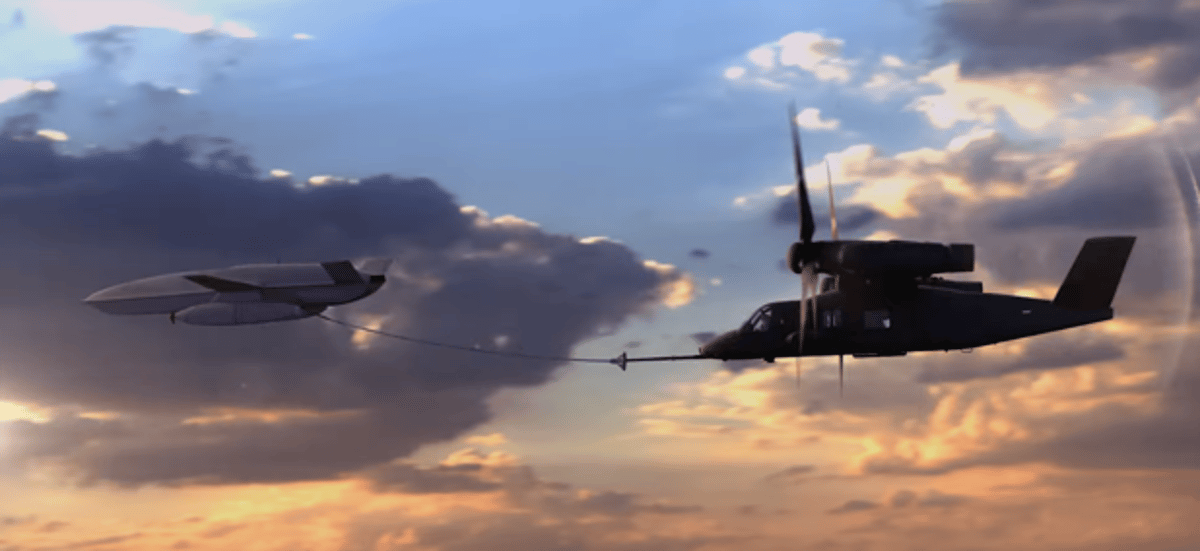
How the MV-75 Cheyenne II Is Pushing the Service to Re-Think Its Aviation Lineup
Companies Mentioned
Why It Matters
The MV‑75 forces the Army to develop new aerial‑refuel and escort capabilities, reshaping aviation logistics and procurement priorities across the service.
Key Takeaways
- •MV‑75 cruises over 300 mph, outpacing Apache escorts
- •Army lacks its own aerial tanker, considering drone‑based refuelers
- •Apache may need multiple launches or range‑extension drones to protect MV‑75
- •Black Hawk will stay in service into the 2050s, modernized incrementally
- •Sikorsky developing unmanned Black Hawk variant for autonomous supply missions
Pulse Analysis
The Army’s first tiltrotor, the MV‑75 Cheyenne II, marks a significant leap in rotary‑wing performance, offering cruise speeds above 300 mph, extended range, and a payload envelope that surpasses the UH‑60 Black Hawk. This capability aligns with the Future Vertical Lift (FVL) vision of faster, longer‑range vertical lift platforms, but it also surfaces a logistical gap: the Army does not operate its own aerial refueling fleet. While Special Operations units can tap Air Force C‑130 tankers, conventional units will need a new solution, prompting officials to consider a dedicated refueling drone modeled after the Navy’s MQ‑25 Stingray. Such a system would enable the MV‑75 to sustain high‑tempo operations without proliferating ground refuel points, reducing the logistical footprint in contested environments.
Beyond fuel, the MV‑75’s speed creates a mismatch with existing escort assets. The AH‑64 Apache, capped at roughly 185 mph, cannot keep pace, forcing planners to contemplate multiple launch points or the integration of launch‑effect drones that extend the Apache’s sensor and weapon reach. This shift could drive new requirements for networked drone swarms and advanced command‑and‑control links, reshaping how the Army protects its high‑value assets in the air domain. The broader implication is a cascade of technology investments, from autonomous refuelers to extended‑range munitions, that will ripple through the service’s acquisition strategy.
The introduction of the MV‑75 does not signal an immediate retirement of the Black Hawk. Instead, the Army will continue modernizing its legacy fleet, adding digital upgrades and exploring unmanned variants for supply missions. This dual‑track approach preserves proven air‑assault and medevac capabilities while leveraging the tiltrotor’s speed to free the Black Hawk for more complex, close‑fight roles. As budget constraints tighten, the service’s incremental modernization path, combined with targeted investments in aerial refuel drones and Apache enhancements, will define the next decade of Army aviation doctrine and force structure.
How the MV-75 Cheyenne II is pushing the service to re-think its aviation lineup
Comments
Want to join the conversation?
Loading comments...