How the MV Estonia Disaster Reshaped Passenger Ship Safety
Why It Matters
Estonia’s disaster reshaped global maritime safety standards, forcing vessels to demonstrate real‑world stability and reducing the risk of rapid capsizes. The regulatory changes protect passengers and set a benchmark for future ship design.
Key Takeaways
- •Estonia capsized after water entered bow visor, killing 852 of 989
- •Disaster exposed flaws in ro‑ro ferry stability assumptions
- •Stockholm Agreement mandated stability tests with water on vehicle decks
- •SOLAS shifted from prescriptive rules to performance‑based safety objectives
- •Ongoing SOLAS amendments reflect lessons from Estonia for modern ships
Pulse Analysis
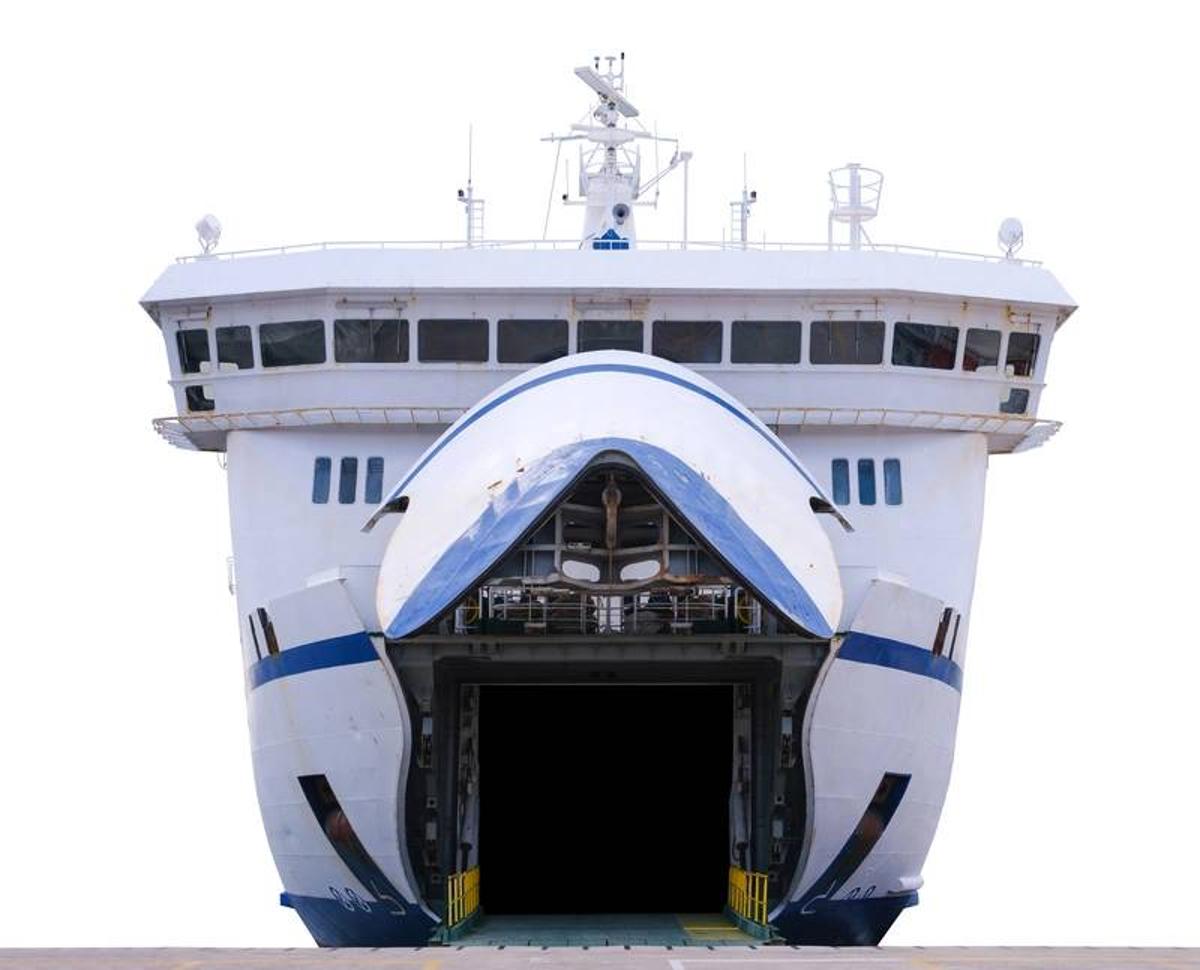
The MV Estonia tragedy remains a watershed moment in maritime safety. When the ferry listed and sank within minutes after its bow visor failed, the loss of 852 lives underscored how quickly a seemingly robust ro‑ro vessel could become unstable. Investigators traced the rapid capsizing to the free‑surface effect of water flooding the vehicle deck, a scenario that traditional stability models had largely ignored. The incident forced the industry to confront the gap between theoretical calculations and the harsh realities of storm‑driven damage.
In response, European regulators, classification societies, and academic institutions launched an unprecedented research campaign. The resulting Stockholm Agreement of 1994 required ferries to demonstrate survivability with a flooded vehicle deck under defined sea states, shifting testing from static calculations to dynamic simulations and scale‑model wave‑basin trials. Designers discovered that modest changes—such as added buoyancy compartments, reinforced watertight doors, and altered deck layouts—could dramatically improve a ship’s ability to stay upright long enough for evacuation. These insights quickly filtered into new builds, making modern ro‑ro ferries far more resilient than their 1990s predecessors.
Beyond the immediate technical fixes, Estonia’s legacy reshaped the broader regulatory philosophy embodied in the SOLAS Convention. Over the past three decades, SOLAS has moved from prescriptive, equipment‑specific mandates to performance‑based objectives that focus on outcomes rather than exact designs. This flexibility encourages innovation while ensuring that safety goals—like maintaining stability after damage—are met. The latest 2026 SOLAS amendments, which tighten requirements for lifting appliances and fire safety, illustrate how the convention continues to evolve by codifying lessons learned from past accidents, keeping passenger‑ship safety aligned with contemporary engineering realities.
How the MV Estonia Disaster Reshaped Passenger Ship Safety
Comments
Want to join the conversation?
Loading comments...