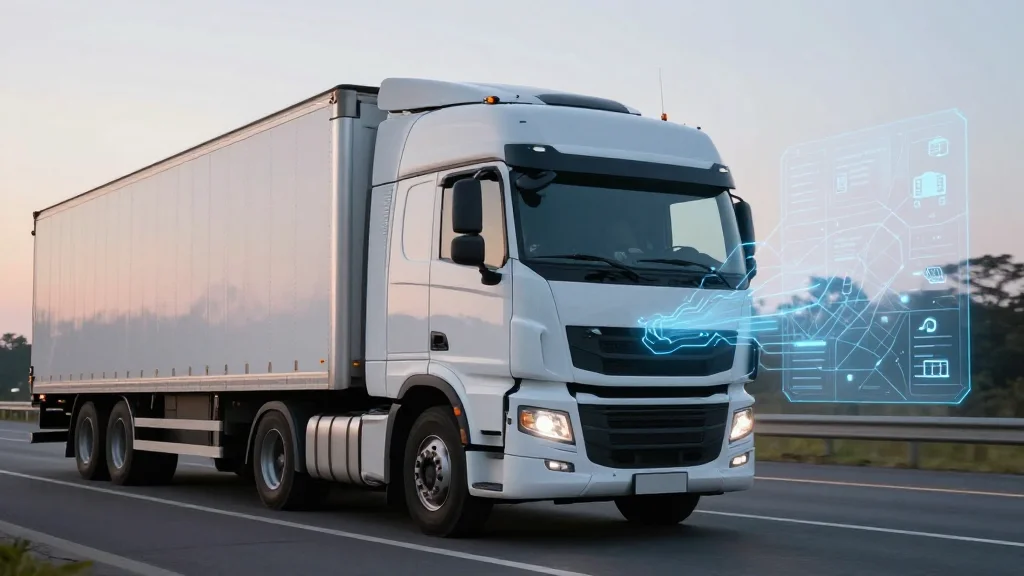
How TMS Vendors Are Bringing AI to Trucking’s Back Office
Companies Mentioned
Why It Matters
AI‑enhanced TMS delivers measurable productivity gains and profit uplift, enabling carriers and brokers to win more freight without expanding back‑office headcount.
Key Takeaways
- •AI extracts BOLs, invoices, reducing manual entry time
- •Dispatch AI scores loads by margin, boosting profitability
- •Execution agents like Leo automate booking, quoting in seconds
- •AI improves back‑office accuracy, cutting billing errors by up to 30%
Pulse Analysis
The infusion of artificial intelligence into transportation management software marks a turning point for the trucking and freight brokerage sectors. Traditional TMS platforms served as static records, but new AI layers now read and interpret unstructured documents—bills of lading, invoices, emails—automatically populating fields and eliminating the bottleneck of manual data entry. Vendors such as McLeod, Carrier Logistics and Trimble have built pipelines that ingest telematics, hours‑of‑service and real‑time traffic data, creating a unified view that fuels downstream analytics. This shift not only accelerates order capture but also lays the groundwork for predictive pricing and dynamic lane optimization.
Beyond data capture, AI is reshaping dispatch and execution workflows. PCS Software’s Cortex engine delivers instant profitability scores, driver‑match recommendations and backhaul opportunities at the moment a load is presented, allowing dispatchers to make margin‑focused decisions without consulting spreadsheets. Execution agents like Mastery’s voice‑enabled Leo and Revenova’s Artimus take automation a step further, converting inbound emails into structured loads, generating quotes, and even contacting carriers autonomously. Early adopters report load‑win rate improvements of more than 30% and a dramatic reduction in the time required to build a load—from minutes to seconds—providing a clear competitive edge in a market where speed equals revenue.
The workforce impact is equally significant. By offloading repetitive, low‑value tasks to AI, carriers can keep back‑office headcount stable while scaling volume, unlocking economies of scale that were previously tied to labor growth. Dispatchers transition from data entry to strategic decision‑making and relationship management, enhancing driver satisfaction and operational resilience. Small and midsize fleets, once hesitant due to cost, now see rapid ROI from AI‑driven efficiencies, as vendors package these capabilities into everyday workflows with measurable outcomes. As AI continues to mature, the industry is poised for a broader transformation that blends human expertise with machine precision, redefining how freight is managed from the back office to the road.
How TMS Vendors Are Bringing AI to Trucking’s Back Office
Comments
Want to join the conversation?
Loading comments...