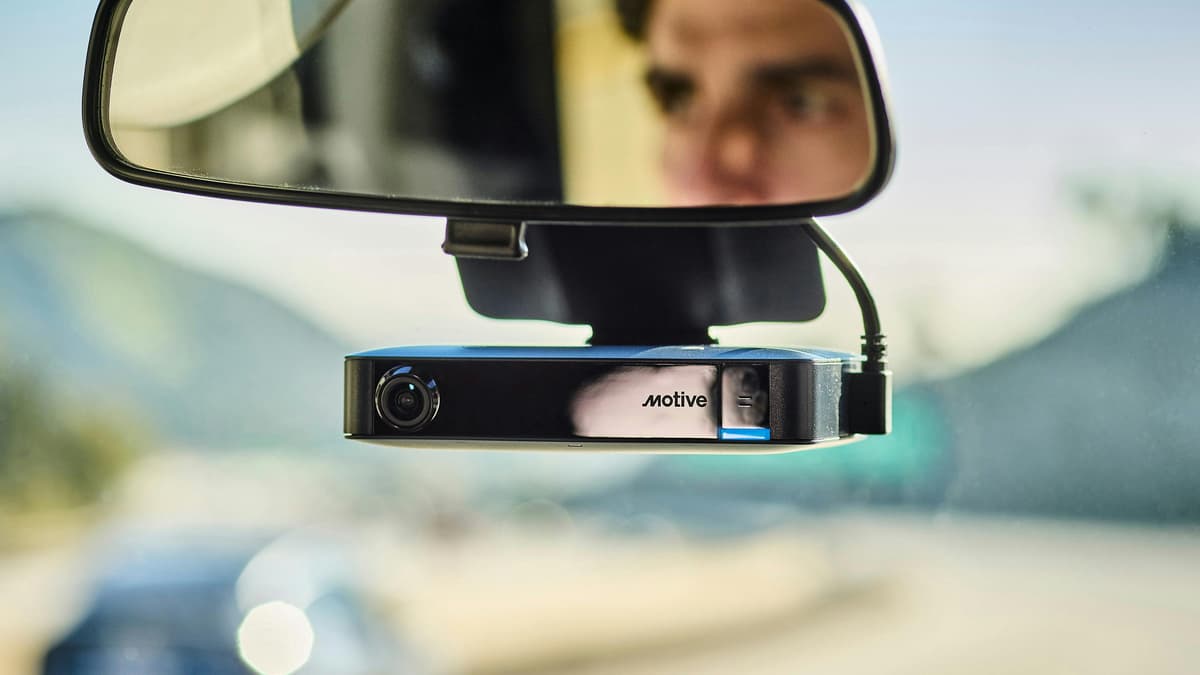
How to Develop Driver Buy-In for In-Cab Camera Adoption
Companies Mentioned
Why It Matters
Higher driver buy‑in speeds risk reduction and lowers claim expenses, giving fleets a competitive edge.
Key Takeaways
- •Positive framing boosts driver acceptance of dashcams
- •Proof of fault exoneration drives rapid buy‑in
- •Gamified challenges turn safety data into competition
- •AI analytics reduce manual video review workload
- •Tailor camera type to fleet privacy and risk needs
Pulse Analysis
The dash‑camera market is booming as fleets seek tangible ways to cut insurance premiums, improve driver coaching, and document incidents. Forward‑facing lenses capture road events, while cab‑facing units record driver behavior, creating a comprehensive safety net. Yet many drivers view the technology as intrusive surveillance, a perception that can stall adoption and erode morale. Understanding this resistance is the first step for managers who want to turn a compliance mandate into a performance advantage.
Psychology plays a pivotal role in gaining driver buy‑in. When fleet leaders, like Rodney Fetters, shift the narrative from punishment to personal benefit—highlighting how footage can exonerate a driver in a crash—acceptance spikes. Real‑world anecdotes, such as a single‑dad trucker who changed his stance after a dash‑cam proved his innocence, illustrate the power of tangible outcomes. Motive’s research confirms that stories of fault clarification spread quickly among drivers, reducing skepticism and fostering a culture of shared safety.
Technology now offers tools to reinforce this positive approach. AI‑enabled cameras automatically flag harsh braking, distracted driving, or near‑miss events, sparing managers from hours of manual review and delivering actionable coaching insights. Gamified challenges turn safety metrics into friendly competition, rewarding top performers with recognition rather than pizza parties. Moreover, fleets can tailor camera configurations—opting for forward‑only lenses when privacy concerns dominate or deploying AI‑only analytics to respect union rules—ensuring compliance while still harvesting valuable data. By aligning incentives, leveraging AI, and respecting driver privacy, fleets can accelerate dash‑camera adoption and unlock measurable risk reductions.
How to develop driver buy-in for in-cab camera adoption
Comments
Want to join the conversation?
Loading comments...