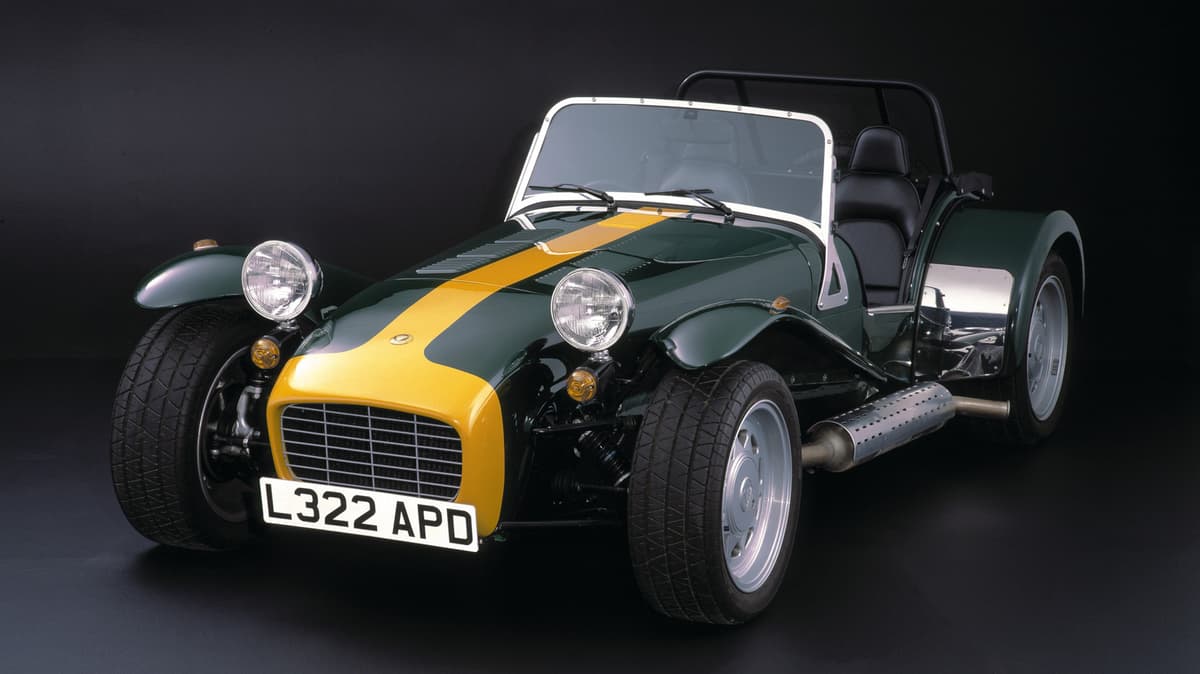
How To Register A Kit Car With The Least Amount Of Hassle

Why It Matters
Without navigating these regulatory and insurance steps, kit‑car owners risk illegal operation, denied claims, and costly penalties, making compliance essential for turning a hobby into a road‑legal vehicle.
Key Takeaways
- •State laws vary; research before you build to avoid costly delays
- •Retain receipts and MCOs for every major part used
- •Obtain a new VIN; donor‑chassis VINs are often prohibited
- •Specialist insurers provide agreed‑value coverage for custom builds
- •California requires a Statement of Construction and possible surety bond
Pulse Analysis
The allure of building a kit car often masks the regulatory maze that follows. Each state maintains its own definition of what constitutes a legal replica, from Virginia’s mileage caps and notarized construction statements to Texas’s strict part‑class restrictions. Early research saves builders from discovering, mid‑build, that a critical component is disallowed, which can add months and thousands of dollars to the project. By treating compliance as a design parameter, enthusiasts align their build timeline with DMV deadlines and avoid surprise roadblocks.
A unique challenge for kit‑car owners is securing a VIN and insurance coverage. Most jurisdictions issue a new, often shorter VIN after a state inspection, rendering donor chassis numbers unusable and creating compatibility issues with mainstream insurers that rely on 17‑digit VINs and published book values. Specialized carriers such as NCM Insurance, Traction, and Hancock Classic fill this gap by offering agreed‑value policies that lock in a payout amount based on the builder’s documentation. This approach mitigates the risk of under‑insurance and streamlines the claims process, a critical consideration for high‑value replicas like Shelby Cobras.
When the paperwork finally reaches the DMV, the checklist can feel overwhelming: part invoices, Manufacturer’s Certificates of Origin, photos, safety certifications, emissions test results, and, in California, a completed Statement of Construction (Form REG 5036) plus a possible ownership surety bond. While the process can stretch over months, the payoff is a street‑legal, fully insured vehicle that respects both safety standards and tax obligations. Builders who treat documentation as an integral part of the build, rather than an afterthought, transition smoothly from garage project to legally drivable masterpiece.
How To Register A Kit Car With The Least Amount Of Hassle
Comments
Want to join the conversation?
Loading comments...