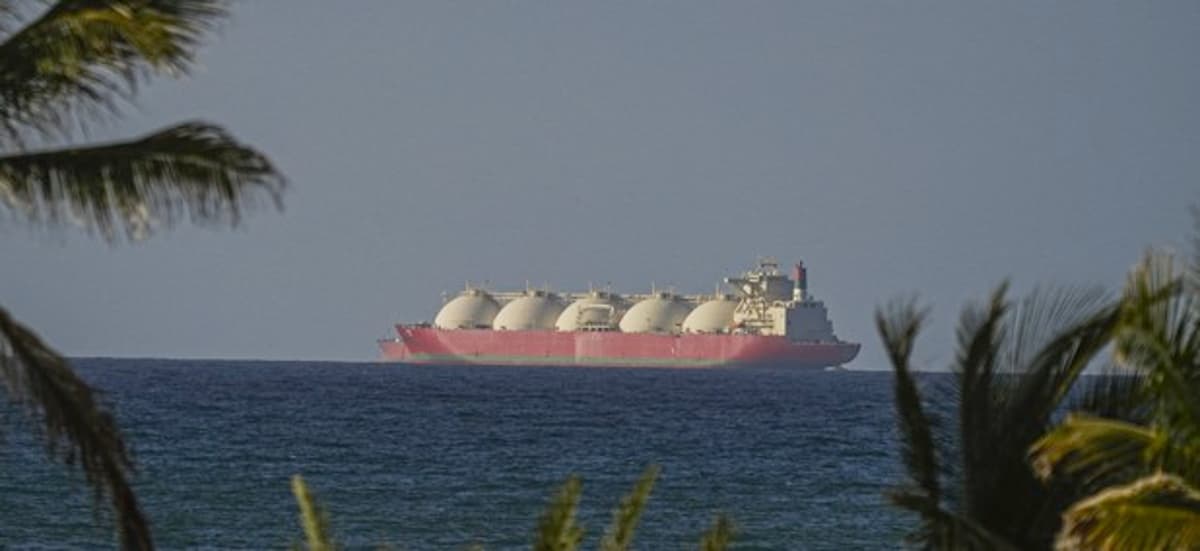
How to Reopen the Strait of Hormuz
Why It Matters
An open Hormuz is essential for stabilizing global energy prices and safeguarding international trade routes that underpin the world economy.
Key Takeaways
- •Hormuz closure slashes daily oil flow, spiking global prices
- •U.S. must rebuild EU trust before naval deployment
- •Leverage Combined Maritime Forces for rapid, coordinated response
- •UK and Ukraine provide critical mine‑countermeasure expertise
- •Baltic states and NATO can augment mine clearance capabilities
Pulse Analysis
The sudden shutdown of the Strait of Hormuz has sent shockwaves through the global energy market. Although the United States imports a relatively small share of its oil from the Persian Gulf, the strait handles roughly 20% of worldwide petroleum shipments, meaning any bottleneck quickly translates into higher gasoline prices at the pump. The recent U.S.-Israeli strikes escalated tensions, prompting Tehran to use the waterway as leverage, a move that underscores how geopolitical flashpoints can instantly destabilize commodity markets.
Reopening the strait will require more than a show of force; it demands coordinated diplomacy and a ready‑made operational framework. Washington should re‑engage European allies through early consultation, offering them a stake in any maritime security mission. By tapping the Combined Maritime Forces—an established, Bahrain‑based coalition that already conducts anti‑piracy and mine‑countermeasure patrols—the U.S. can field a credible presence without the delays of ad‑hoc force generation. Central to this effort are the United Kingdom’s seasoned mine‑hunting units and Ukraine’s recent Black Sea experience, including its pioneering use of unmanned systems, which together provide the technical edge needed to clear any Iranian‑laid mines.
Beyond the core trio, the coalition can draw on the Baltic states’ advanced mine‑countermeasure vessels and NATO’s standing maritime groups, potentially routed through the Istanbul Cooperation Initiative to legitimize Gulf‑region operations. Such a multi‑layered approach not only mitigates the risk of another closure but also signals a durable, collective security architecture for one of the world’s most vital trade arteries. Acting now, while diplomatic channels remain open, will help lock in a stable energy supply chain and reinforce transatlantic confidence in U.S. leadership.
How to reopen the Strait of Hormuz
Comments
Want to join the conversation?
Loading comments...