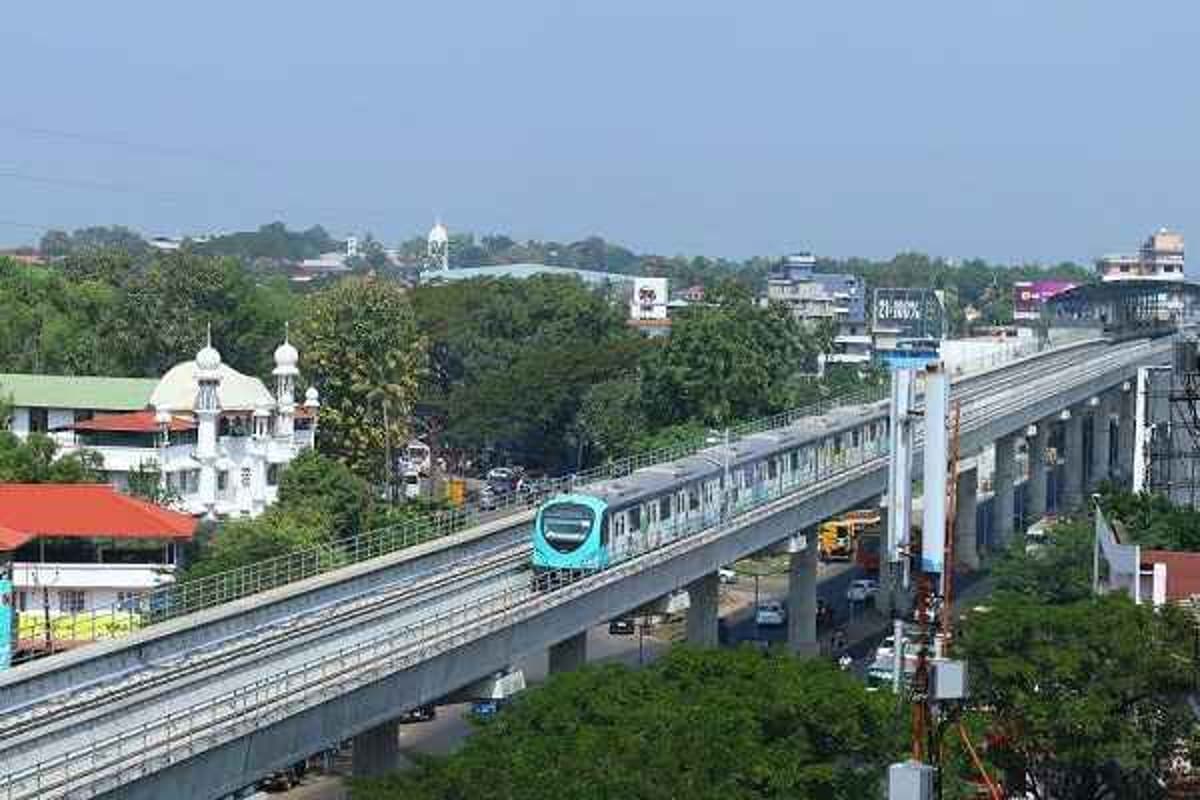
How Train Transportation Creates Faster and Smarter Cities
Why It Matters
Rail expansion directly addresses chronic congestion, delivering time savings and lower emissions that benefit both businesses and residents. Its success in Manila signals a scalable model for other fast‑growing Asian cities.
Key Takeaways
- •Trains carry thousands per trip, dramatically easing road congestion
- •Dedicated tracks can cut commuter travel time by up to 30%
- •Manila rail upgrades aim to serve over 5 million riders daily
- •Electric rail reduces per‑passenger emissions versus private cars
- •Smart ticketing and GPS boost reliability and rider satisfaction
Pulse Analysis
Urban centers worldwide grapple with gridlock, and the Philippines offers a vivid case study of how rail can turn the tide. By moving large volumes of passengers on exclusive tracks, trains free up road capacity, slashing average commute times and allowing workers to allocate more hours to productive tasks. The ripple effect is measurable: faster deliveries, higher retail foot traffic, and a more attractive environment for foreign investment. As cities like Manila continue to densify, rail becomes not just a convenience but a critical economic engine.
Beyond speed, trains deliver a greener alternative to car‑centric commuting. Electrified fleets consume far less energy per passenger and emit significantly lower CO₂, directly improving urban air quality. Reduced vehicle miles also cut fuel consumption and noise pollution, aligning with global sustainability goals and local public‑health initiatives. Municipalities that prioritize rail infrastructure can therefore claim both economic and environmental dividends, positioning themselves as leaders in sustainable urban development.
Technology is the catalyst that transforms traditional rail into a smart‑city backbone. Digital ticketing, real‑time GPS monitoring, and AI‑driven scheduling enhance reliability, reduce downtime, and personalize the rider experience. These innovations dovetail with the modern commuter’s digital habits, where post‑ride relaxation often involves mobile gaming platforms such as Jili on GameZone. By integrating seamless transit with on‑the‑go entertainment, cities create a holistic ecosystem that meets the speed, convenience, and leisure expectations of today’s workforce. Continued investment in rail modernization promises to keep urban mobility ahead of demand while fostering a vibrant, connected lifestyle.
How Train Transportation Creates Faster and Smarter Cities
Comments
Want to join the conversation?
Loading comments...