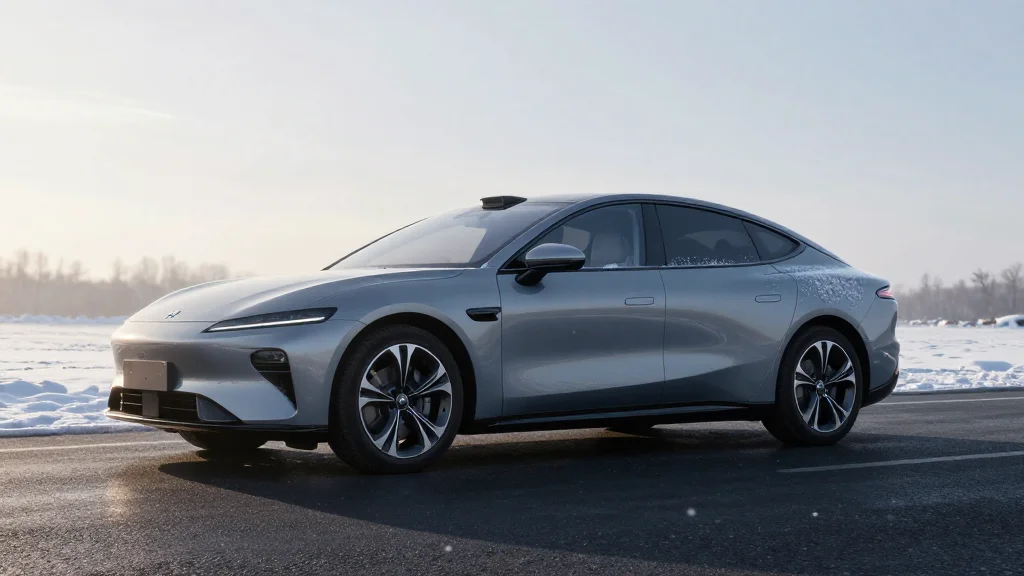
How Well Can EVs Handle the Heat — and the Cold? AAA Put Them to the Test
Why It Matters
Temperature‑induced range loss directly impacts EV adoption in climate‑sensitive markets and shapes manufacturers’ battery‑thermal‑management strategies.
Key Takeaways
- •Cold weather cuts EV range by an average 39%
- •Heat reduces EV range about 8.5% in AAA tests
- •Winter range loss unchanged since 2019 despite tech upgrades
- •Hybrid fuel‑economy drops 23% at 20 °F
- •EV adoption higher in warm states, lower in cold Midwest
Pulse Analysis
Extreme temperatures remain a critical variable in electric‑vehicle performance. AAA’s controlled‑environment tests reveal that while modern batteries have become more resilient to heat—dropping the high‑temperature range loss from 17 % in 2019 to 8.5 % today—cold‑weather penalties have barely shifted, still erasing nearly two‑thirds of usable mileage. This disparity stems from the chemistry of lithium‑ion cells, which slow down in low temperatures and must divert energy to heat the cabin and battery pack, a process that cannot be fully mitigated by software or incremental hardware tweaks.
For automakers, the data underscore the urgency of advancing thermal‑management systems. Strategies such as active battery heating, improved insulation, and next‑generation chemistries like solid‑state electrolytes could narrow the winter gap. Meanwhile, policy makers and infrastructure planners must consider regional climate when promoting EV incentives, ensuring that charging networks and public education address the realistic range expectations for colder locales. Norway’s near‑universal EV adoption despite harsh winters illustrates that consumer confidence can be built through reliable performance data and supportive services.
Consumers can also take practical steps to preserve range year‑round. Pre‑conditioning the vehicle while plugged in, using seat heaters instead of full HVAC, maintaining optimal tire pressure, and selecting models with proven cold‑weather performance are proven tactics. By integrating these habits, drivers in both hot and cold climates can mitigate the inevitable efficiency loss, keeping electric mobility a viable option across the United States.
How well can EVs handle the heat — and the cold? AAA put them to the test
Comments
Want to join the conversation?
Loading comments...