HS2 Applies Reset Lessons to ‘Nerve Centre’
Companies Mentioned
Why It Matters
Delaying construction until the design is final reduces risk and aligns HS2 with its broader reset, while the inflated contract underscores rising infrastructure costs in the UK.
Key Takeaways
- •TWA JV wins £856 m HS2 nerve centre contract (~$1.07 bn)
- •Construction start delayed to summer 2028 after design completion
- •Project cost rose from £275 m to £856 m due to inflation, reset
- •Washwood Heath will create 500 construction jobs, 1,000 permanent roles
- •Site remediation removed contaminants, reusing material for new build
Pulse Analysis
The award of the Washwood Heath Network Integrated Control Centre to the newly formed TWA joint venture marks a pivotal step in HS2’s ongoing reset. By bundling design and construction responsibilities into a single £856 million contract—roughly $1.07 billion—the programme aims to tighten coordination and curb the fragmented cost overruns that plagued earlier phases. The decision to postpone ground‑breaking until at least summer 2028 reflects a strategic shift: delivering a fully vetted design first, thereby mitigating the risk of costly rework and aligning the project with tighter fiscal scrutiny across Britain’s high‑speed rail initiatives.
Cost escalation has been a recurring theme for HS2, with the Washwood Heath budget swelling from an original £275 million estimate (about $344 million) to the current figure. Inflationary pressures, tighter safety standards, and lessons learned from earlier miscalculations have all contributed. This price jump underscores a broader trend in UK infrastructure where legacy cost models are being overhauled to incorporate more realistic risk buffers. Stakeholders view the reset as an opportunity to embed stronger governance, ensuring that future phases—such as the Birmingham‑Manchester stretch—avoid similar pitfalls.
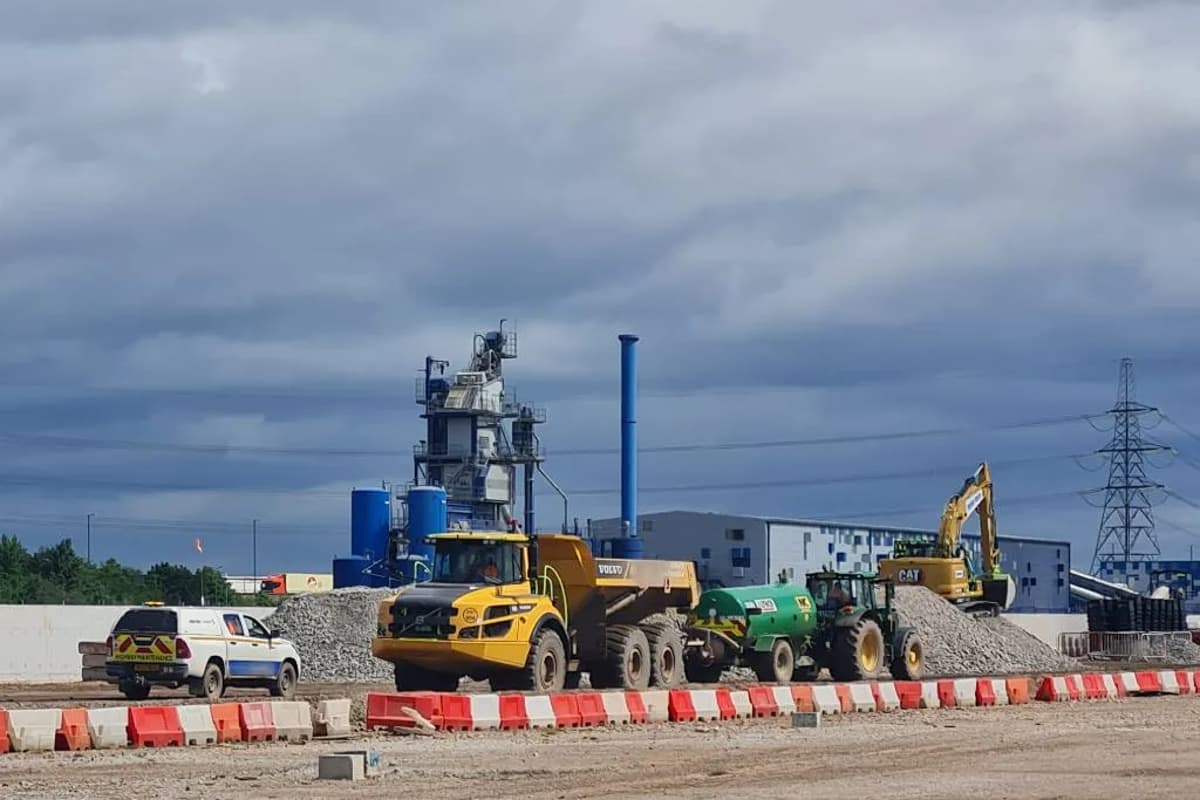
Beyond engineering, the Washwood Heath scheme carries significant socioeconomic weight. The site, once home to Metro‑Cammell and LDV, is undergoing one of the largest remediation projects on the HS2 programme, extracting contaminated soil and reusing material on‑site. The development promises around 500 construction jobs and 1,000 permanent roles once operational, bolstering employment in the West Midlands. Moreover, the integration of green corridors and commercial spaces aims to stimulate long‑term economic activity, positioning the nerve centre not just as a rail hub but as a catalyst for regional regeneration.
HS2 applies reset lessons to ‘nerve centre’
Comments
Want to join the conversation?
Loading comments...