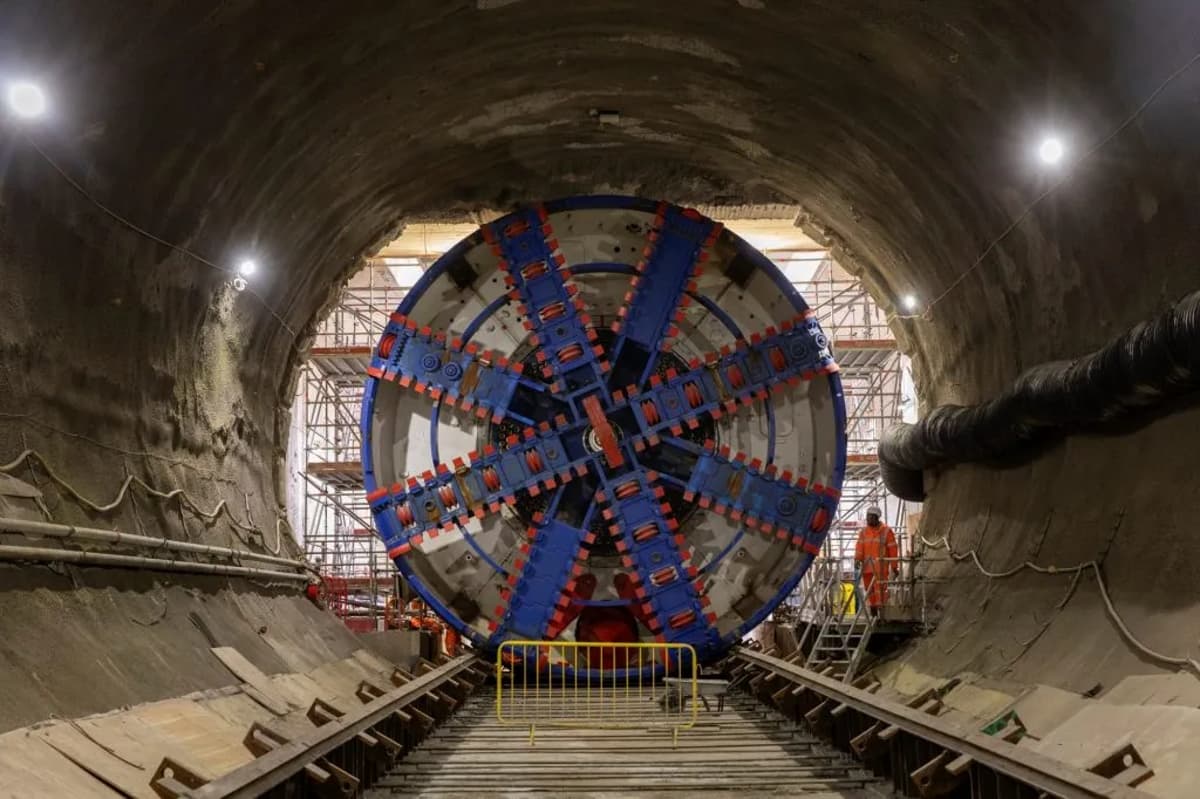
HS2: New Review Finds DfT Consistently Missed Scrutiny Opportunities
Why It Matters
The oversight gaps expose systemic weaknesses in UK mega‑project governance, risking further cost overruns and eroding public trust. Addressing these flaws is essential to safeguard future infrastructure investments.
Key Takeaways
- •Lovegrove review finds DfT missed HS2 oversight throughout project
- •Civil service lacked engineering, commercial, and governance expertise
- •Reliance on external consultants stemmed from uncompetitive civil servant pay
- •Internal audit function was under‑powered, failing to flag cost overruns
- •HS2 cost target set at £93.2bn (~$118bn) with opening pushed to 2037
Pulse Analysis
The Department for Transport’s (DfT) handling of the high‑speed rail programme has come under fire after a review by former national security adviser Sir Stephen Lovegrove. Commissioned by transport secretary Heidi Alexander, the report concludes that the DfT consistently failed to scrutinise HS2 Ltd, despite its statutory duty to sponsor and monitor the project. The oversight lapse coincides with a revised cost ceiling of £93.2 bn (about $118 bn) and a new opening window of late 2037, pushing the timetable several years beyond original expectations.
The review pinpoints a chronic shortage of specialised skills inside the civil service. Interviewees described engineering, commercial assessment and strategic governance capabilities as “insufficient in depth,” forcing officials to lean heavily on external consultants whose fees were justified by uncompetitive civil‑servant salaries. Moreover, HS2 Ltd lacked its own internal audit function, relying instead on the Government Internal Audit Agency, which the review found under‑powered and unable to surface the project’s mounting cost and schedule risks. These structural weaknesses meant warning signs were missed until they became systemic overruns.
Policymakers see the findings as a catalyst for reforming the UK’s mega‑project delivery model. The newly created National Infrastructure and Service Transformation Authority (Nista) is expected to centralise expertise, enforce rigorous cost‑benefit analysis and empower senior leaders to intervene when delivery bodies under‑perform. If the DfT can embed senior private‑sector talent and establish a robust internal audit capability, future programmes may avoid the “gold‑plating” and shifting political priorities that plagued HS2. Ultimately, restoring public confidence hinges on transparent governance and realistic budgeting for infrastructure of this magnitude.
HS2: New review finds DfT consistently missed scrutiny opportunities
Comments
Want to join the conversation?
Loading comments...