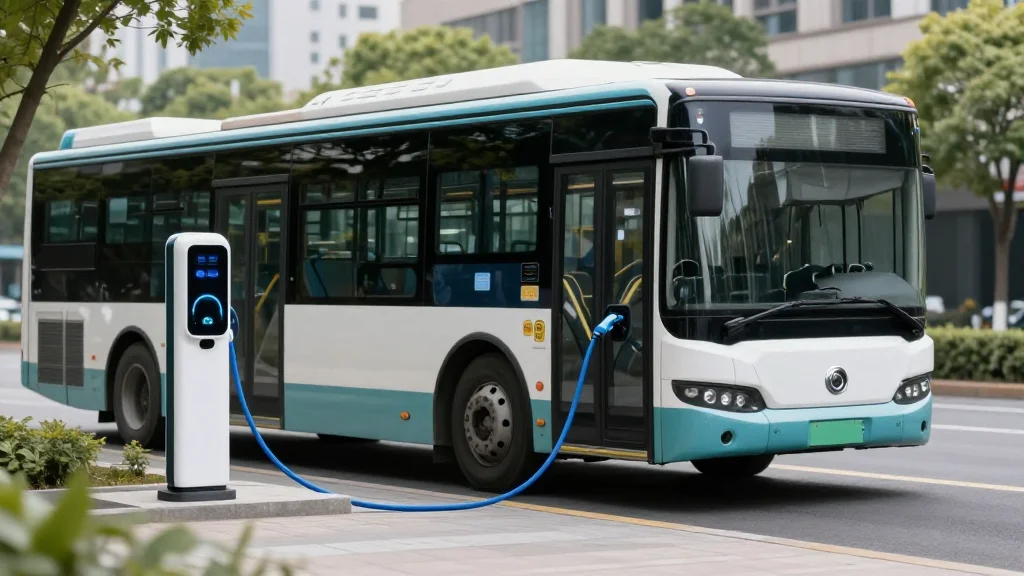
Hyderabad Expands Electric Bus Fleet with 60 New EVs Under Green Mobility Push
Why It Matters
Scaling electric buses reduces emissions and noise while showcasing a replicable model for Indian megacities seeking cleaner, more efficient public transport.
Key Takeaways
- •Hyderabad adds 60 electric buses, total fleet reaches 540.
- •EV fleet aims to cut urban air pollution significantly.
- •New charging stations deployed at major depots for faster turnaround.
- •Government links EV rollout to worker welfare and union elections.
- •Telangana targets 1,050 EV buses statewide by 2027.
Pulse Analysis
India’s urban centres are grappling with rising smog levels, and Hyderabad is positioning itself as a testbed for large‑scale electric public transport. By adding 60 battery‑powered buses, the city now operates around 540 EVs, a figure that rivals early adopters like Shenzhen and London. The Green Challenge initiative aligns with national climate goals, offering a tangible pathway to reduce vehicular emissions that contribute to over 30% of the country’s air‑quality woes. Moreover, the deployment of fast‑charging infrastructure at major depots mitigates range anxiety and improves fleet utilization, making electric buses a viable alternative to diesel‑powered fleets.
Financial sustainability remains a central concern, and TGSRTC’s Managing Director highlighted a balanced approach that couples environmental benefits with cost‑effective operations. Advanced charging stations reduce downtime, while the quieter, smoother ride enhances passenger experience, potentially boosting ridership and farebox recovery. The government’s commitment to worker welfare—through union elections and regular grievance sessions—helps secure labor support for the transition, a factor often overlooked in large‑scale EV rollouts. This holistic strategy could lower total cost of ownership over the bus lifecycle, encouraging other Indian states to follow suit.
The broader implication for the Indian transport ecosystem is significant. Telangana’s target of 1,050 electric buses statewide by 2027 sets an ambitious benchmark that could catalyse private‑sector investment in battery technology and charging networks. As more cities adopt similar models, economies of scale are likely to drive down vehicle and infrastructure costs, accelerating the nation’s shift toward low‑carbon mobility. Stakeholders—from policymakers to investors—should monitor Hyderabad’s progress as an early indicator of how electric bus programs can be integrated with labor relations, fiscal prudence, and environmental objectives.
Hyderabad expands electric bus fleet with 60 new EVs under green mobility push
Comments
Want to join the conversation?
Loading comments...