Hydrogen Buses Work. That Is Not The Procurement Question.
Why It Matters
The choice determines whether transit budgets face hidden fuel‑chain risks or benefit from the rapidly scaling electric grid, directly shaping decarbonization speed and cost efficiency.
Key Takeaways
- •Hydrogen buses work, but fuel‑chain adds hidden costs.
- •Procurement must compare full hydrogen system vs battery‑electric lifecycle.
- •Station under‑utilization inflates capital and operating expenses.
- •Reliable, repeat orders are scarce for hydrogen fleets.
- •Only niche routes with limited power justify hydrogen over batteries.
Pulse Analysis
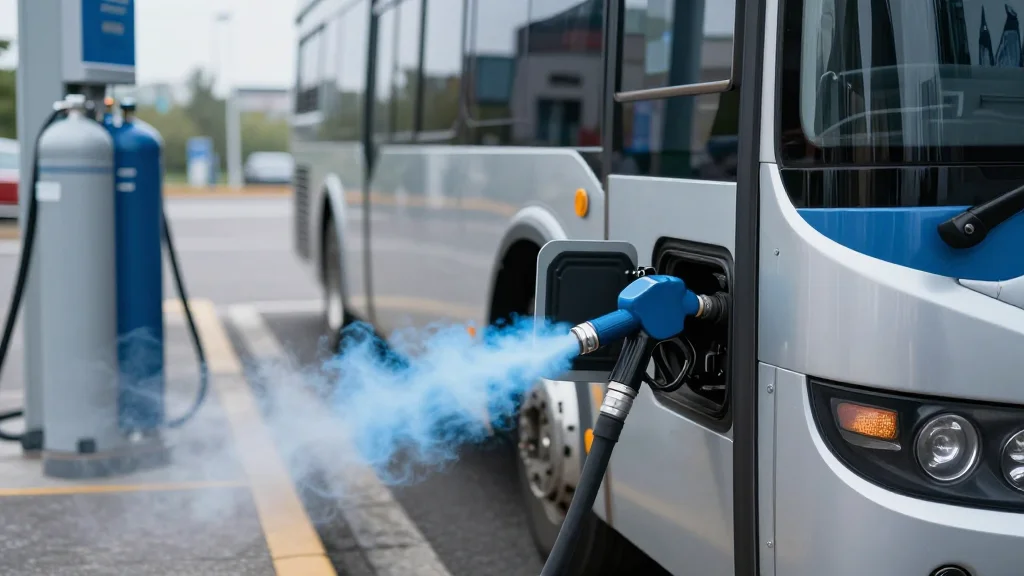
Hydrogen fuel‑cell buses have moved beyond the prototype stage; they can complete routes, refuel in minutes, and emit no tailpipe pollutants. Yet transit officials who focus solely on vehicle performance overlook the broader ecosystem required to keep those buses running. The fuel must be produced, compressed or liquefied, transported, stored, and dispensed safely, demanding specialized equipment, skilled technicians, and robust warranty structures. When these elements are added to a capital‑constrained budget, the total cost of ownership can quickly surpass that of battery‑electric buses, whose infrastructure piggybacks on an already expanding electricity network.
Infrastructure risk is the Achilles’ heel of hydrogen transit. Building a dedicated refueling station for a modest fleet spreads capital costs over few kilograms of fuel, leading to high per‑kilometer expenses. Under‑utilized stations also threaten service reliability; a single outage can sideline an entire route. Real‑world examples such as Aberdeen’s abandoned hydrogen fleet and Vienna’s sidelined buses illustrate how fragile supply chains and insufficient station maintenance can render a technically viable vehicle economically untenable. In contrast, battery‑electric deployments shift complexity to depot electrical upgrades and charger scheduling—tasks that benefit from growing industry expertise and declining battery prices.
For agencies weighing decarbonization pathways, the procurement test should be blunt: does hydrogen deliver lower lifetime cost, higher reliability, and verifiable emissions reductions compared with direct electrification? Only routes with exceptionally long distances, limited grid capacity, or constrained depot space may find a competitive edge in hydrogen. Otherwise, the simpler, more scalable solution is to expand the electric grid, install chargers, and leverage mature battery technology. By treating hydrogen as a niche complement rather than a wholesale replacement, transit authorities can avoid hidden risks while still advancing clean‑energy goals.
Hydrogen Buses Work. That Is Not The Procurement Question.
Comments
Want to join the conversation?
Loading comments...