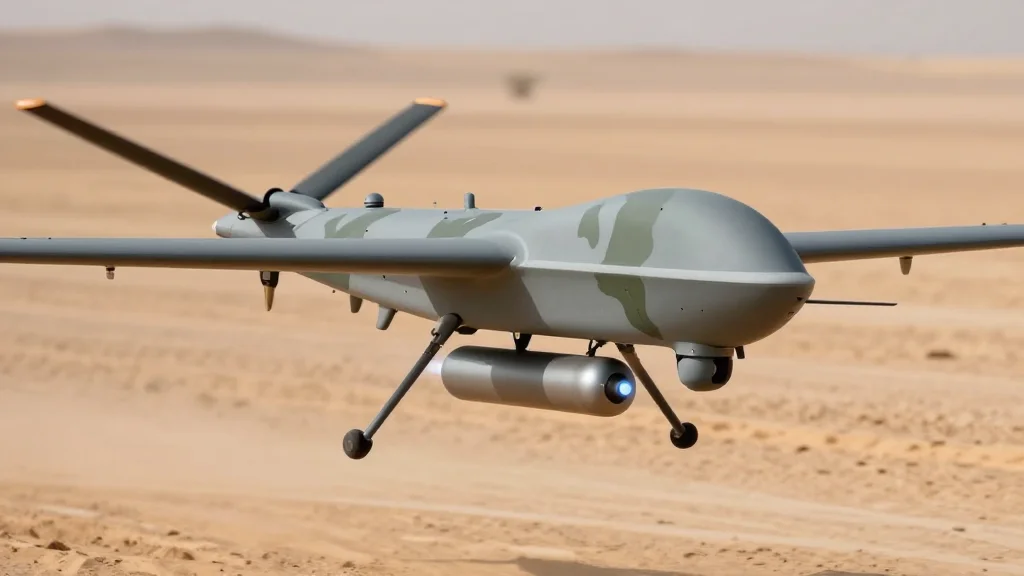
Hydrogen Fuel Cell Cars No; Fuel Cell Combat Drones Yes
Companies Mentioned
Why It Matters
Fuel‑cell drones provide the military with low‑signature, long‑range platforms while showcasing a scalable use case for green hydrogen that could accelerate broader energy transition efforts.
Key Takeaways
- •Heven Aerotech secured streamlined US Army contract for fuel‑cell UAVs
- •Mobile nanogrid system pairs solar‑powered electrolyzers with drones for field ops
- •Rheinmetall plans hundreds of electrolyzer sites across Europe for military e‑fuels
- •Fuel‑cell drones offer low noise, heat signature, and extended range
- •Cost concerns are secondary for military; scalability drives adoption
Pulse Analysis
The defense sector is emerging as the proving ground for hydrogen fuel‑cell propulsion, a technology that has struggled to find a foothold in consumer automobiles. Recent milestones—Heven Aerotech’s streamlined acquisition by the U.S. Army and Rheinmetall’s Europe‑wide electrolyzer rollout—signal that the military is willing to invest heavily in low‑signature, high‑energy‑density power sources. By integrating fuel‑cell stacks into unmanned aerial vehicles, armed forces gain silent, heat‑quiet platforms that can operate for extended periods without refueling, a decisive advantage in contested environments.
Underlying this shift is the rapid maturation of green‑hydrogen infrastructure. Portable nanogrid solutions, such as the Solar‑Powered Mobile Nanogrid paired with Heven’s UAVs, combine solar arrays with on‑site electrolysis to produce hydrogen at forward operating bases. This approach sidesteps the logistical nightmare of transporting conventional fuels and reduces carbon footprints, especially as geopolitical tensions tighten conventional fuel supplies. While the current cost of electrolyzers remains higher than steam‑methane reforming, economies of scale, modular design, and the security imperative are driving faster adoption within defense budgets.
The military’s willingness to absorb higher upfront costs could catalyze civilian market entry. As fuel‑cell drones demonstrate reliability and performance, commercial sectors—logistics, agriculture, and emergency response—may adopt similar microgrid‑powered systems for remote power and transport. Moreover, the technology’s scalability promises to lower hydrogen production costs, making green hydrogen more competitive with fossil‑derived alternatives. In the coming years, the spillover from defense R&D could reshape the broader energy landscape, positioning hydrogen fuel cells as a viable complement to battery‑electric solutions across multiple industries.
Hydrogen Fuel Cell Cars No; Fuel Cell Combat Drones Yes
Comments
Want to join the conversation?
Loading comments...