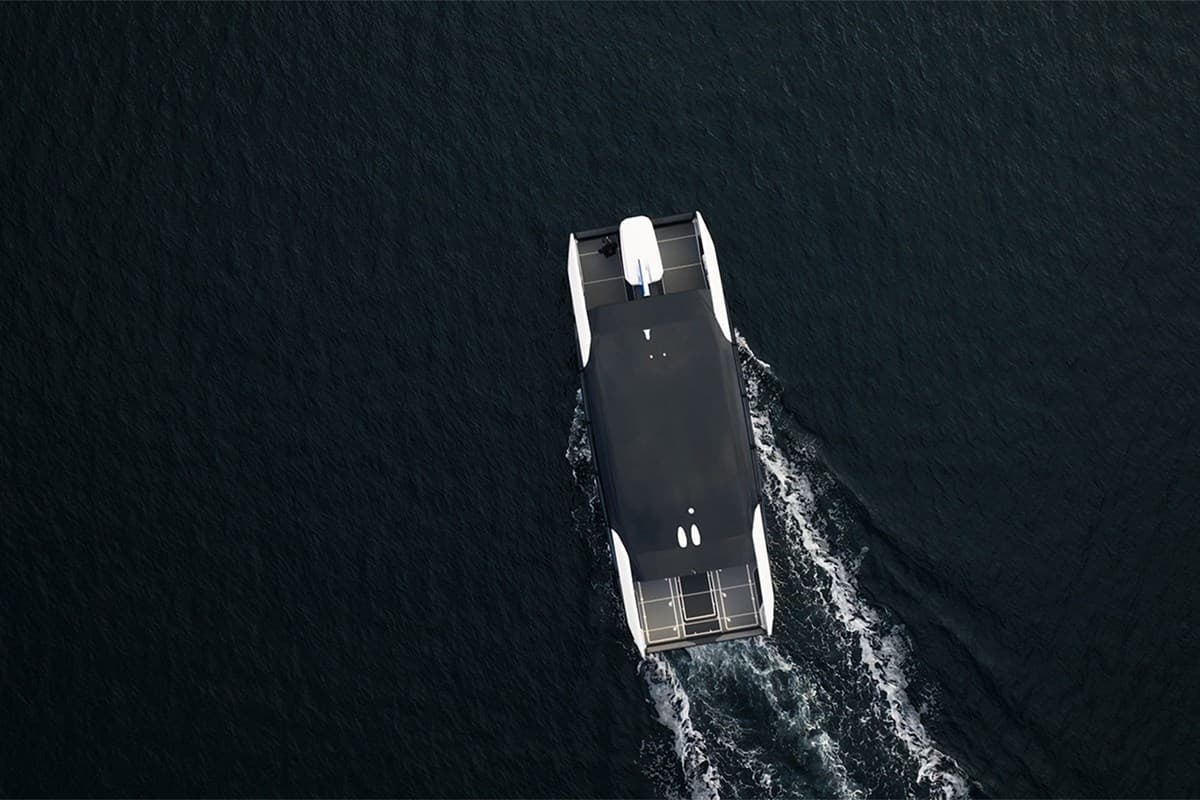
Hyke GFRP Electric Urban Ferry Demonstrates 8X Efficiency versus Diesel
Why It Matters
The pilot proves that electric ferries can deliver dramatically lower operating costs and emissions, reshaping how cities connect waterfront districts without expensive tunnels or bridges. This breakthrough accelerates the shift toward sustainable, multimodal urban transport.
Key Takeaways
- •F-15 shuttle carries 50 passengers, 10‑hour range on 196 kWh battery.
- •Composite hull reduces weight, achieving 88% lower energy use vs diesel.
- •Pilot logged 41,000 passengers over 14‑month, 2‑minute crossings.
- •Energy consumption equals five hair dryers per trip, cutting emissions to zero.
- •Urban ferries offer cheaper alternative to tunnels or bridges for waterways.
Pulse Analysis
Electric ferries are emerging as a pragmatic answer to the congestion and carbon challenges facing dense urban centers. Hyke’s F‑15 shuttle leverages glass‑fiber‑reinforced polymer—a lightweight, vacuum‑infused composite—to cut hull resistance and overall mass, enabling an 88% reduction in energy use compared with conventional diesel vessels. The 196 kWh battery delivers roughly ten hours of operation, supporting a high‑frequency schedule that moves 50 passengers per two‑minute crossing. By eliminating tailpipe emissions and operating at noise levels comparable to a quiet street, the ferry aligns with the growing demand for clean, quiet mobility solutions.
The pilot’s performance metrics underscore the economic upside of water‑based transit. With energy consumption equivalent to five household hair dryers per trip, operating costs plummet relative to fuel‑intensive diesel ferries. The 41,000‑passenger throughput over 14 months demonstrates strong rider acceptance, suggesting that municipalities can achieve high ridership without the capital outlay required for tunnels or bridges. Moreover, the modular design of Hyke’s vessels allows for scalability, enabling fleets to expand as demand grows while maintaining low per‑kilometer costs.
Policy makers and urban planners are taking note as the EU’s Horizon Europe SUM program and local sustainability initiatives fund such pilots. By integrating electric ferries into public transport networks, cities can repurpose existing waterways, reduce infrastructure spending, and meet aggressive climate targets. As battery technology improves and composite manufacturing scales, the cost gap between electric and diesel ferries is expected to narrow further, making electric ferries a cornerstone of future multimodal transit strategies.
Hyke GFRP electric urban ferry demonstrates 8X efficiency versus diesel
Comments
Want to join the conversation?
Loading comments...