Companies Mentioned
Why It Matters
The potential loss of two flagship EVs narrows consumer choice and could erode Hyundai‑Kia’s market share in a rapidly competitive U.S. electric‑vehicle segment. Policy‑driven delays also signal broader challenges for Korean automakers entering the American market.
Key Takeaways
- •IONIQ 6 sales fell 77% in February.
- •EV6 sales dropped 53% month‑over‑month.
- •Only IONIQ 5, IONIQ 9, EV9 confirmed 2026.
- •EV6 GT discontinued for US buyers.
- •Tariffs and policy shifts delay Korean EV launches.
Pulse Analysis
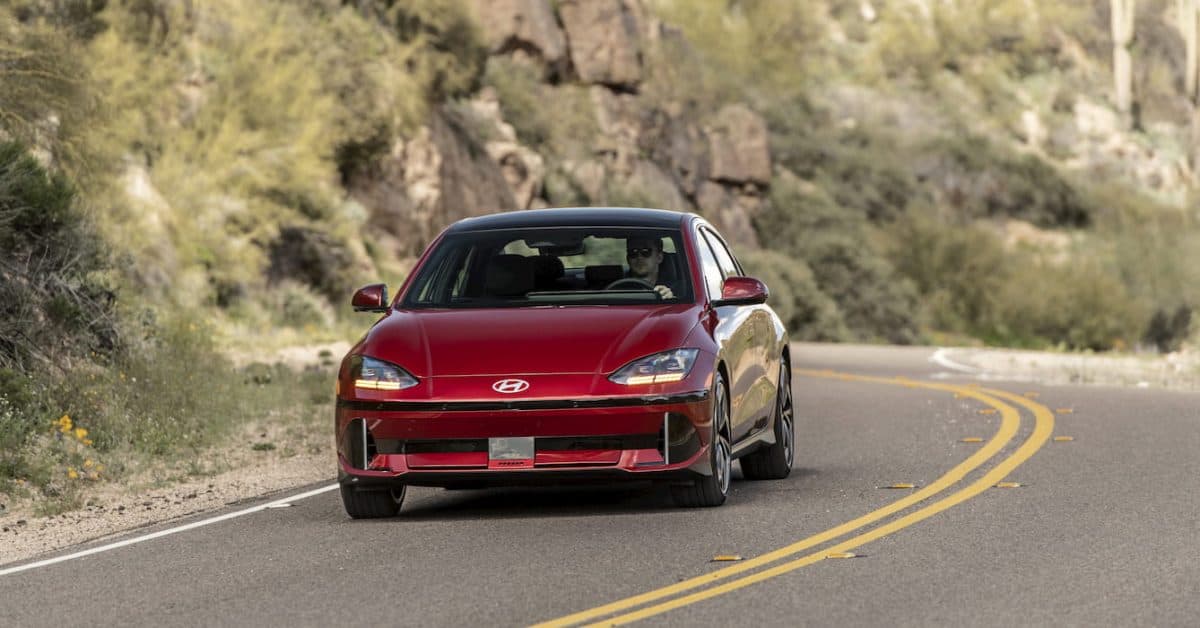
February data shows Hyundai and Kia’s electric lineup under pressure in the United States. While the IONIQ 5 rebounded with a 33 % increase to 3,329 units, the IONIQ 6 plunged 77 % to just 229 vehicles, and Kia’s EV6 and EV9 slipped 53 % and 40 % respectively. The sharp decline has fueled speculation that the IONIQ 6 and EV6 may be withdrawn before a 2026 refresh, leaving only the IONIQ 5, IONIQ 9 and EV9 with confirmed next‑year models. Such volatility threatens the brands’ momentum against rivals like Tesla and Ford.
The uncertainty is not purely demand‑driven. Recent U.S. trade policies, including higher import tariffs on Korean‑built EVs, have raised the cost base for Hyundai and Kia, prompting a cautious rollout of new models. Kia’s decision to postpone the entry‑level EV4 and cancel the high‑performance EV6 GT underscores how fiscal pressures can reshape product strategies. Industry analysts argue that these policy shifts could erode the competitive edge Korean manufacturers once enjoyed, forcing them to prioritize higher‑margin models or shift production to lower‑tariff regions.
For American consumers, the narrowing of the Korean EV portfolio translates into fewer affordable choices and slower price competition. The delay of mass‑market models such as the EV3, EV4 and a refreshed EV6 may widen the gap between domestic offerings and the rapidly expanding lineups from China and Europe. Unless tariff relief or new incentives emerge, Hyundai and Kia risk ceding market share, which could slow the overall electrification pace in the United States and reshape the competitive landscape.
Hyundai and Kia EVs in limbo in the US
0
Comments
Want to join the conversation?
Loading comments...