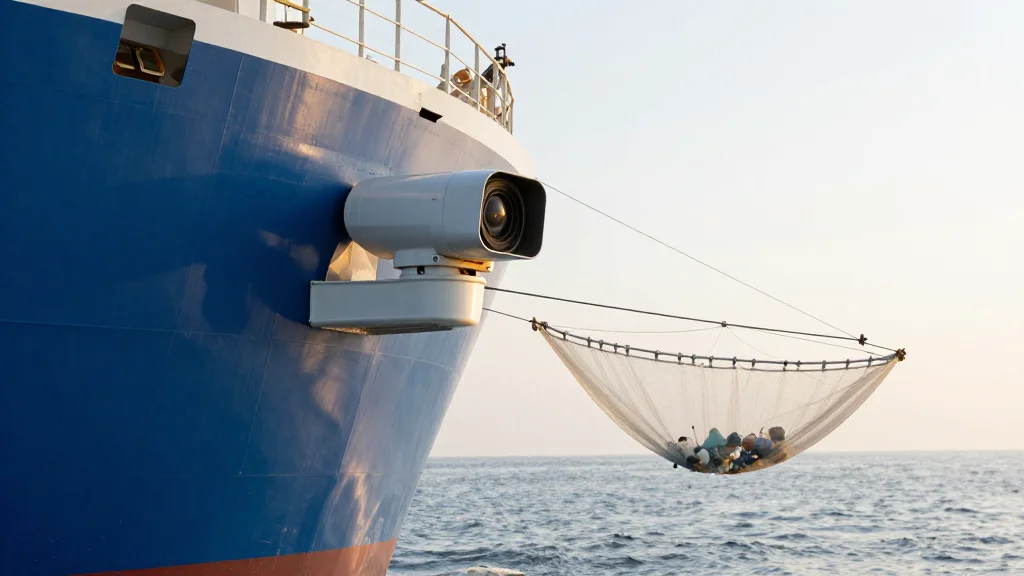
Hyundai Glovis Extends Ocean Cleanup Partnership to 2030, Boosting Plastic Removal Efforts

Why It Matters
The Hyundai Glovis–Ocean Cleanup partnership illustrates how logistics firms can turn operational assets into environmental tools, creating a scalable model for marine plastic mitigation. By providing high‑resolution, ship‑borne data, Hyundai Glovis helps pinpoint pollution hotspots, making cleanup efforts more efficient and cost‑effective. The extension through 2030 also aligns the company with tightening global ESG regulations and growing investor pressure for tangible sustainability outcomes. If the expanded ADIS network proves successful, it could set a precedent for other carriers to embed sensor suites on commercial vessels, turning the global shipping fleet into a moving observation network. Such a shift would generate a continuous stream of environmental data, informing policy, guiding cleanup investments, and potentially unlocking new revenue streams tied to carbon credits or waste‑recycling markets.
Key Takeaways
- •Hyundai Glovis extends partnership with The Ocean Cleanup to 2030.
- •20 ADIS cameras now operate on 10 pure car and truck carriers.
- •More than 50,000 tons of plastic removed from oceans and rivers since 2023.
- •Company plans to add cameras to additional vessels and explore new cooperation models.
- •Collaboration ties ESG goals to core logistics operations, offering a template for the industry.
Pulse Analysis
Hyundai Glovis’s decision to lock in a decade‑long alliance with The Ocean Cleanup reflects a strategic bet that sustainability can become a competitive advantage in freight logistics. Historically, shipping has been criticized for its carbon footprint and contribution to marine debris. By converting its vessels into data‑collection platforms, Hyundai Glovis not only addresses plastic pollution but also creates proprietary environmental intelligence that could be monetized through licensing or ESG reporting services.
The partnership also mitigates a key barrier to large‑scale ocean cleanup: the lack of granular, real‑time data on where plastic accumulates. Traditional satellite imagery offers limited resolution, whereas ship‑borne ADIS cameras capture precise locations, enabling The Ocean Cleanup to deploy its interceptors and river barriers more efficiently. This synergy reduces operational costs and accelerates waste removal, potentially shortening the timeline for achieving the nonprofit’s 2030 cleanup targets.
From a market perspective, Hyundai Glovis’s move may pressure rivals—such as Maersk, MSC, and CMA CGM—to adopt similar sensor‑driven ESG initiatives. As investors increasingly tie capital to measurable sustainability metrics, carriers that can demonstrate concrete pollution‑reduction outcomes will likely enjoy better access to green financing and higher valuation multiples. The extended partnership also positions Hyundai Glovis to benefit from emerging regulatory frameworks that could mandate plastic‑tracking or impose penalties for marine litter, giving the firm a head‑start in compliance.
Overall, the alliance showcases how data, logistics, and environmental stewardship can intersect to produce scalable impact. If the expanded ADIS network delivers on its promise, it could catalyze a new industry standard where every cargo ship doubles as a floating environmental observatory, reshaping the economics of ocean cleanup and redefining the role of logistics in the climate agenda.
Hyundai Glovis Extends Ocean Cleanup Partnership to 2030, Boosting Plastic Removal Efforts
Comments
Want to join the conversation?
Loading comments...