Hyundai Is Launching A Mobile Service Fleet To Fix Your EV At Home
Companies Mentioned
Why It Matters
By bringing service directly to owners, Hyundai improves customer convenience and strengthens after‑sales revenue, a critical factor as EV adoption accelerates in the U.S. market.
Key Takeaways
- •Hyundai targets 150 mobile service vans by year‑end.
- •Vans equipped for EV software updates, tire rotations, brake repairs.
- •Factory‑trained technicians use genuine Hyundai parts on‑site.
- •Service appointments booked via dealer websites, reducing shop visits.
- •Mobile fleet mirrors Tesla and Rivian’s on‑demand service models.
Pulse Analysis
Mobile service vans have become a hallmark of the premium EV experience, allowing manufacturers to meet the on‑demand expectations of digitally native consumers. Hyundai’s decision to roll out a nationwide fleet signals its acknowledgement that convenience is now a competitive differentiator, not a perk. By matching the offerings of Tesla and Rivian, the Korean automaker aims to close the perceived service gap that has historically favored established EV players. The move also aligns with broader industry trends where automakers are extending brand touchpoints beyond the showroom.
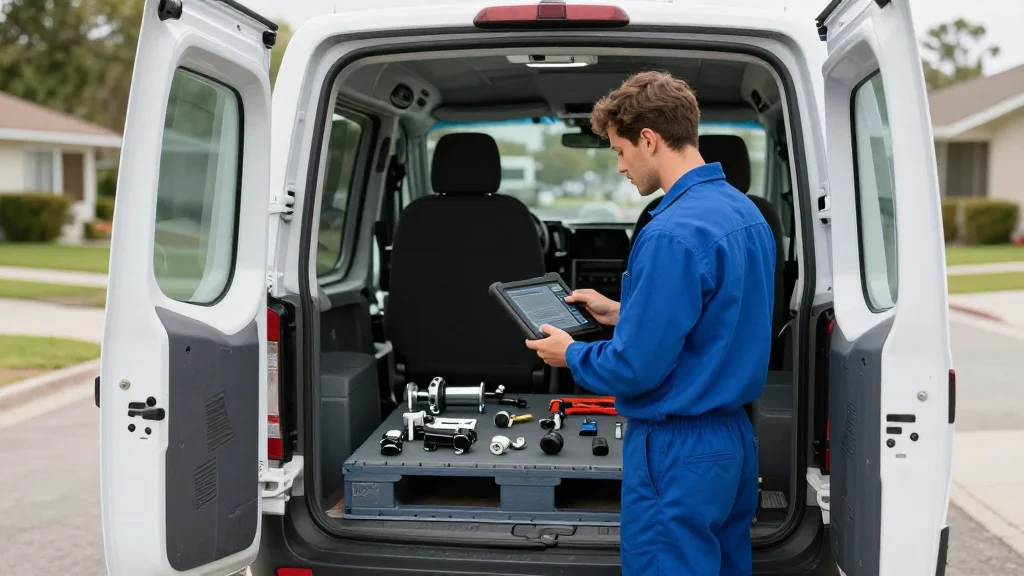
The vans are upfitted with diagnostic tools, software‑update capabilities, and a stocked inventory of genuine parts, enabling technicians to perform routine maintenance such as tire rotations, brake pad replacements, and EV firmware upgrades without a workshop. Integration with Hyundai’s Dealer Management System ensures that service records are automatically logged, preserving warranty integrity and simplifying billing. Customers can schedule visits through dealer websites, turning a traditionally time‑consuming chore into a few clicks. For dealerships, the mobile fleet reduces bay congestion and creates a new revenue stream tied to convenience‑based services.
Beyond convenience, Hyundai’s mobile service strategy could accelerate EV adoption by alleviating range‑anxiety‑related concerns about maintenance accessibility. As the U.S. EV market approaches 7 million units, after‑sales services become a sizable profit center; mobile units allow manufacturers to capture a larger share of that spend while reinforcing brand loyalty. The program also provides valuable real‑time data on common service issues, feeding back into product development cycles. If the fleet meets its 150‑unit target, Hyundai will have a scalable model that other legacy brands may emulate to stay relevant in an increasingly service‑centric automotive landscape.
Hyundai Is Launching A Mobile Service Fleet To Fix Your EV At Home
Comments
Want to join the conversation?
Loading comments...