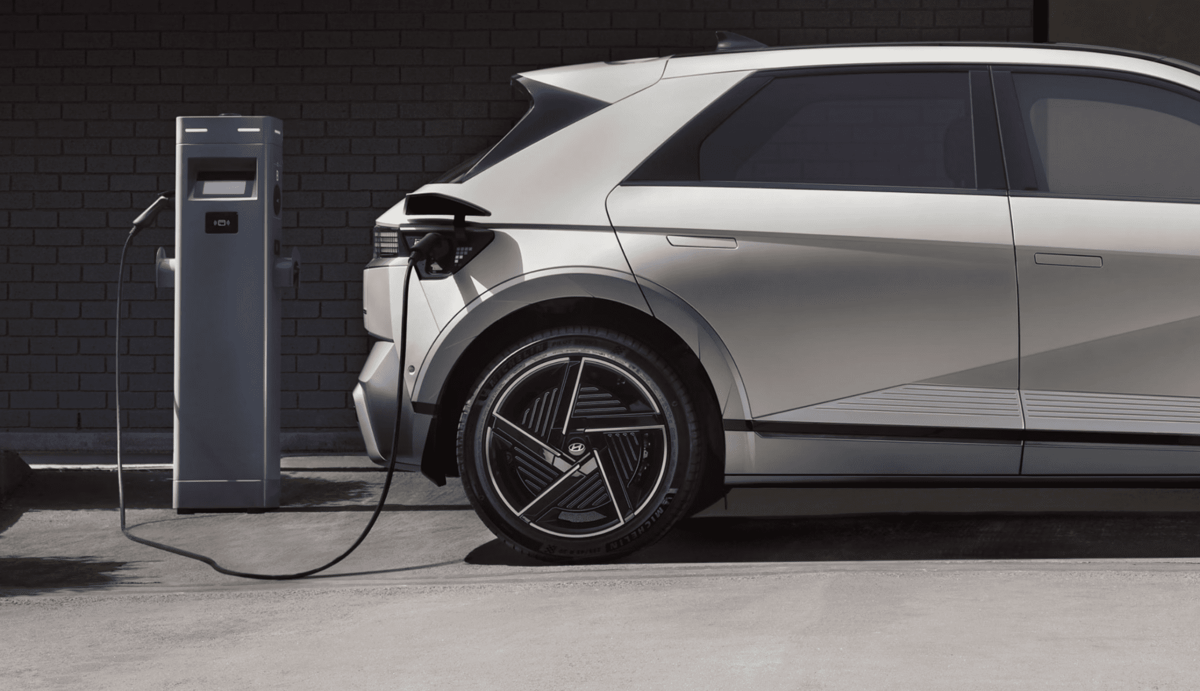
Hyundai-Kia: EV Momentum Stalling Changes US Product Plans
Why It Matters
The shift could reshape competitive dynamics in the U.S. EV segment and affect pricing, dealer inventory, and supply‑chain planning for all manufacturers.
Key Takeaways
- •US EV demand slowdown forces product revisions
- •Federal incentives removal raises vehicle pricing pressure
- •New tariffs increase cost of Korean‑built EVs
- •Hyundai‑Kia pivot to higher‑margin, near‑term models
Pulse Analysis
The United States, once the fastest-growing market for electric vehicles, has entered a period of muted demand as the Biden administration phases out purchase subsidies and the Inflation Reduction Act credits. Without the $7,500 federal tax credit, many consumers are reconsidering the total cost of ownership, and recent data shows EV registrations slipping for the first time since 2022. Adding to the headwinds, the administration’s 25% tariff on battery‑electric imports from South Korea raises the effective price of Korean‑built models, compressing margins for Hyundai, Kia and Genesis.
In response, Hyundai Motor Group is reshaping its U.S. rollout. Several planned compact EVs have been postponed, while the company accelerates production of the Ioniq 5 and Genesis GV70 EV, which command higher price points and better profit margins. Kia similarly trims its lineup, focusing on the EV6 and upcoming EV9 SUV, and postpones lower‑cost models that relied on subsidy‑driven demand. This recalibration contrasts sharply with the brands’ European performance, where strong government incentives and a dense charging network keep sales robust, allowing the group to absorb the global slowdown.
The strategic pullback sends a signal to the broader EV ecosystem. Suppliers tied to low‑margin battery packs may see order reductions, while dealers could face inventory imbalances as higher‑priced models dominate showrooms. Competitors such as Tesla and legacy automakers with deeper U.S. manufacturing footprints may gain market share, leveraging domestic production to avoid tariffs. Investors are watching the adjustments closely; a cautious U.S. approach could temper Hyundai‑Kia’s revenue forecasts but also preserve cash flow until policy and consumer sentiment stabilize.
Hyundai-Kia: EV momentum stalling changes US product plans
Comments
Want to join the conversation?
Loading comments...