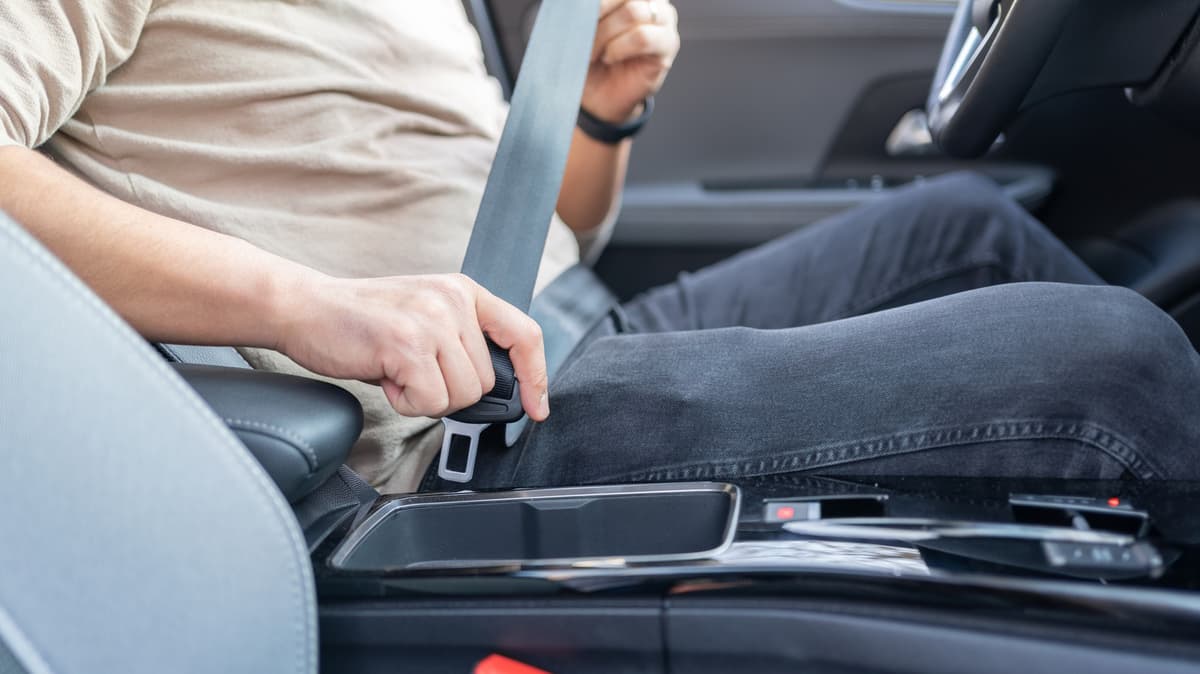
Hyundai Recall: 300,000 Vehicles' Seatbelts Could Cause Injuries
Why It Matters
The recall highlights a hidden safety risk that could lead to severe injuries, underscoring the importance of proactive defect remediation for automakers and regulators. It also tests Hyundai's ability to maintain consumer confidence after a recent large‑scale seatbelt recall.
Key Takeaways
- •Hyundai recalls 294,128 U.S. vehicles for front seatbelt anchor issue.
- •Issue affects 2023‑2026 Santa Fe, Ioniq 6, Genesis G90 models.
- •Defect may not be noticeable but can reduce crash restraint.
- •Hyundai will repair or replace belts free, regardless of warranty.
- •Six U.S. incident reports; no injuries or fatalities yet.
Pulse Analysis
The latest Hyundai recall shines a spotlight on a subtle yet critical component of vehicle safety: the lower seatbelt anchor. While the belt may buckle and retract normally, a mis‑secured snap‑on clip can prevent the belt from fully engaging the seat frame, diminishing its ability to restrain occupants during a high‑impact event. This type of latent defect is especially concerning because drivers receive no warning until a crash occurs, making proactive recalls essential for protecting lives.
Affected models span Hyundai's 2024‑2026 Santa Fe lineup, both gasoline and hybrid variants, as well as the 2023‑2025 Ioniq 6 electric sedan and Genesis G90 luxury sedan through 2026. Hyundai's remedy—installing a reinforcement insert or swapping the entire belt assembly—will be performed at no charge, even for out‑of‑warranty vehicles, and the company will reimburse any prior out‑of‑pocket repairs. The recall, listed under NHTSA 26V218, does not carry a "do not drive" directive, but owners are urged to verify their VINs promptly. This approach balances safety urgency with minimal disruption to vehicle use, a strategy increasingly common in the industry.
For the broader automotive market, the incident underscores the growing scrutiny of passive safety systems as vehicles become more complex and electrified. Regulators are tightening oversight, and manufacturers face heightened expectations to detect and address hidden flaws before they manifest in accidents. Hyundai's swift, cost‑free remediation aims to preserve brand trust after a previous half‑million‑vehicle seatbelt recall, but repeated safety campaigns could erode consumer confidence if not paired with robust quality controls. The episode serves as a reminder that even well‑engineered components require continuous validation in real‑world conditions.
Hyundai Recall: 300,000 Vehicles' Seatbelts Could Cause Injuries
Comments
Want to join the conversation?
Loading comments...