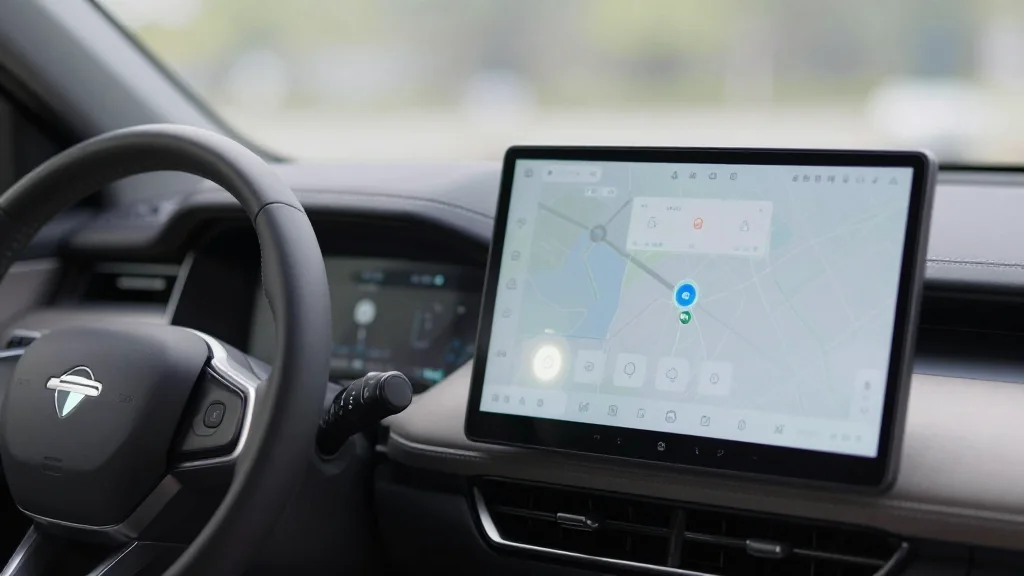
I Drove 25,000 Miles with CarPlay Last Year - Here Are the Apps I Used Most (and Why)
Why It Matters
CarPlay’s curated app ecosystem directly influences driver distraction levels and shapes consumer expectations for automotive infotainment. Understanding which apps deliver genuine utility helps manufacturers and developers prioritize safety‑first features.
Key Takeaways
- •CarPlay limits apps to essential, voice‑controlled functions
- •Waze preferred for navigation, Google Maps as backup
- •Carrot Weather provides customizable route‑specific forecasts
- •Audible dominates audiobooks; alternatives include Kobo and Libby
- •ChargePoint and GasBuddy help locate EV chargers, fuel prices
Pulse Analysis
Apple CarPlay has become a cornerstone of the modern driving experience, offering iPhone users a seamless bridge between their mobile ecosystem and vehicle dashboards. By projecting a stripped‑down interface that relies heavily on Siri, CarPlay reduces visual clutter and encourages hands‑free interaction, which aligns with regulatory pushes for lower driver distraction. The platform’s growing hardware support—from legacy models to the latest infotainment systems—means that more motorists can benefit from its safety‑oriented design, especially as automakers integrate larger screens and higher‑resolution displays.
The real value of CarPlay lies in its curated app selection. Navigation apps like Waze dominate because of real‑time traffic crowdsourcing, while Google Maps serves as a reliable fallback when coverage lapses. Weather tools such as Carrot Weather give drivers route‑specific forecasts, helping them avoid hazardous conditions. Audio consumption remains a major use case, with Spotify, Apple Music, and Audible delivering hands‑free playlists and audiobooks that keep occupants entertained without compromising focus. For electric‑vehicle owners, ChargePoint’s integration simplifies locating chargers, and GasBuddy offers transparent fuel pricing for conventional drivers. Users can further streamline the interface by customizing the CarPlay layout, removing rarely used apps to keep the screen uncluttered.
Looking ahead, CarPlay’s evolution will be shaped by competition from Android Auto and emerging voice‑AI platforms. Automakers are experimenting with deeper vehicle‑to‑cloud connectivity, enabling predictive routing, over‑the‑air updates, and personalized content recommendations. Data privacy concerns are also rising, prompting Apple to emphasize on‑device processing and minimal data sharing. As the line between smartphone and car continues to blur, developers that prioritize low‑latency voice commands, offline functionality, and seamless integration will capture the most engaged audience, driving the next wave of infotainment innovation.
I drove 25,000 miles with CarPlay last year - here are the apps I used most (and why)
Comments
Want to join the conversation?
Loading comments...