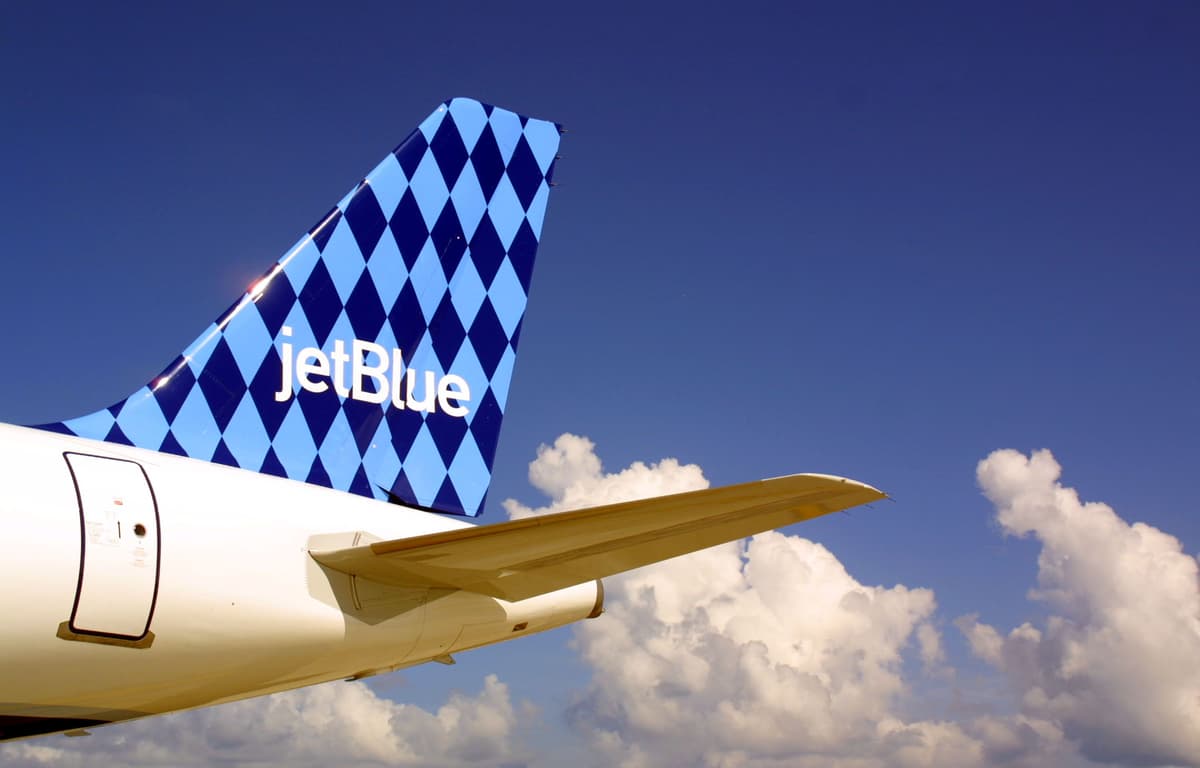
I Flew 40 JetBlue Flights in 3 Months—Here's What I've Learned About the Loyalty Program
Why It Matters
The promotion shows how airlines can drive new traffic and loyalty through high‑stakes challenges, but steep spend requirements and reduced perks limit long‑term value for most flyers. Understanding JetBlue’s evolving Mosaic program helps travelers decide whether to invest in its credit cards or shift to competitors.
Key Takeaways
- •40 flights earned 25 Mosaic 1 via 2025 “25 for 25” challenge
- •Challenge attracted 2,370 participants; 90% completed, generating 811.5 M TrueBlue points
- •Mosaic 1 requires roughly $5,000 flight spend or $50,000 credit‑card spend yearly
- •2026 updates cut free checked bags, drinks, and companion seat perks
- •East‑Coast travelers benefit most; others may favor rival loyalty programs
Pulse Analysis
JetBlue’s “25 for 25” challenge illustrates a broader industry trend where carriers use gamified promotions to spark demand and capture new customers. By promising a quarter‑century of elite status for visiting 25 unique destinations, JetBlue turned occasional flyers into repeat users, boosting TrueBlue point issuance and filling seats on less‑traveled routes. The campaign’s success—over 2,300 participants and a 90% completion rate—highlights how point‑heavy incentives can outweigh traditional mileage‑based loyalty models, especially for low‑cost carriers seeking to differentiate from legacy airlines.
However, the financial calculus for travelers has shifted. Mosaic 1 now demands roughly $5,000 in flight spend or $50,000 through JetBlue‑branded credit cards each year, a steep barrier compared with rival programs that offer elite status for lower spend thresholds. Moreover, the 2026 reduction of perks such as free checked bags and complimentary drinks erodes the tangible benefits that once justified the high spend. For business travelers and frequent East‑Coast flyers, the remaining advantages—free seat selection and same‑day changes—still provide operational flexibility, but the value proposition is narrowing.
Looking ahead, JetBlue’s uncertain future—marked by the failed Spirit merger and ongoing speculation about consolidation—adds risk to long‑term loyalty investments. Travelers must weigh the immediate perks against the possibility of program changes or outright dissolution in a merger scenario. For most, a strategic approach involves leveraging JetBlue’s credit cards for point accumulation while keeping alternative carriers in the mix, ensuring that loyalty rewards remain a flexible tool rather than a locked‑in commitment.
I Flew 40 JetBlue Flights in 3 Months—Here's What I've Learned About the Loyalty Program
Comments
Want to join the conversation?
Loading comments...