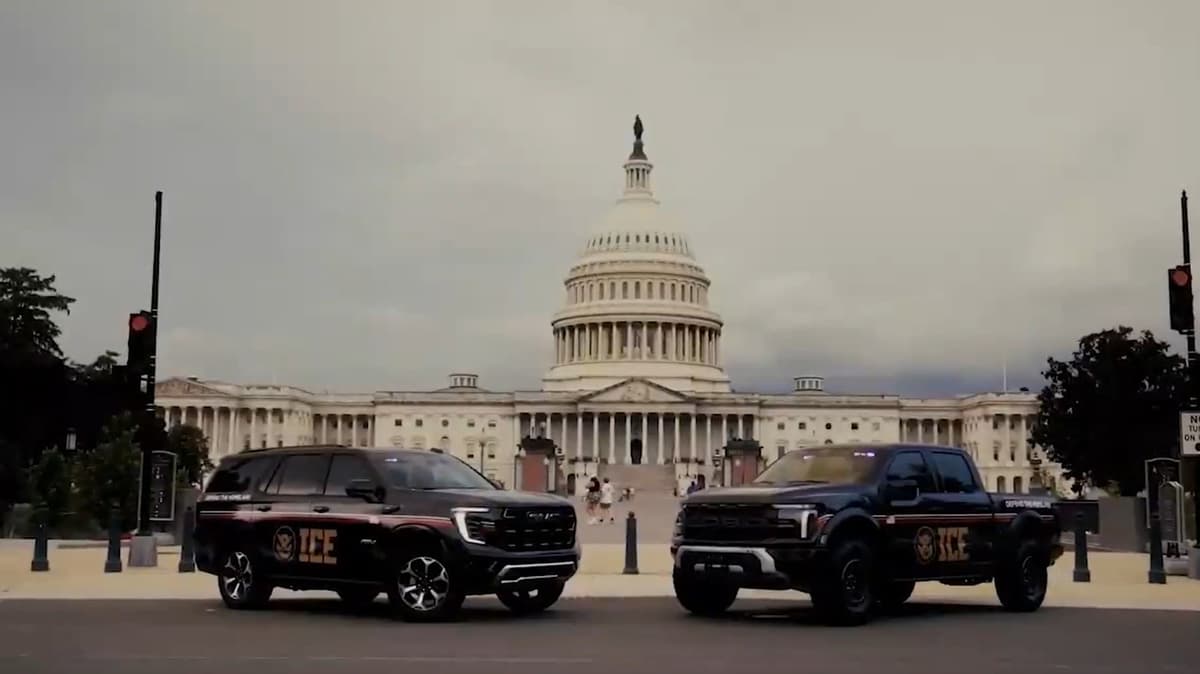
ICE Is 'Hiding' Millions Of Dollars In New Trucks And SUVs As Agents Refuse To Drive Them
•March 10, 2026
0
Why It Matters
The waste highlights gaps in federal procurement oversight and raises questions about the fiscal responsibility of politically driven law‑enforcement spending, potentially eroding public trust.
Key Takeaways
- •2,500 ICE trucks and SUVs remain unused nationwide
- •Millions spent on branded vehicles with limited operational value
- •No‑bid contracts awarded to political allies raise cronyism concerns
- •Congressional oversight proposals blocked, limiting fiscal accountability
- •Agents refuse marked trucks, citing safety and operational risks
Pulse Analysis
The ICE vehicle program emerged amid a broader push by the Trump administration to visibly brand law‑enforcement assets, positioning the agency as a frontline defender of the homeland. By ordering heavy‑duty pickups and SUVs with oversized gold lettering, officials aimed to project strength, yet the practical utility of such conspicuous vehicles is questionable. Agents on the ground report that the trucks hinder covert operations and increase exposure to retaliation, leading many to store the assets in garages rather than deploy them. This mismatch between political optics and operational reality underscores a recurring theme of high‑profile spending with limited functional return.
Fiscal oversight of ICE’s procurement practices has been notably lax. The contracts were awarded without competitive bidding, funneling roughly $90,000 per vehicle to a GM dealership owned by NASCAR magnate Rick Hendrick, a known Trump donor. Such arrangements fuel allegations of crony capitalism and raise red flags for watchdogs monitoring federal expenditures. While House Judiciary members have proposed amendments to enforce congressional review of ICE budgets, those measures have been defeated, leaving a sizable portion of the agency’s spending opaque. The episode illustrates how political patronage can circumvent standard procurement safeguards, inflating costs for taxpayers.
Beyond the immediate financial loss, the incident impacts ICE’s public image and operational effectiveness. Marked vehicles make agents easy targets for anti‑ICE sentiment, especially after high‑profile incidents that have heightened hostility toward the agency. The decision to hide or de‑brand the trucks reflects a strategic retreat from overt branding, acknowledging that stealth may better serve enforcement objectives. Future procurement will likely prioritize discretion and cost‑effectiveness, prompting a reassessment of how federal agencies balance visibility with mission‑critical functionality.
ICE Is 'Hiding' Millions Of Dollars In New Trucks And SUVs As Agents Refuse To Drive Them
0
Comments
Want to join the conversation?
Loading comments...