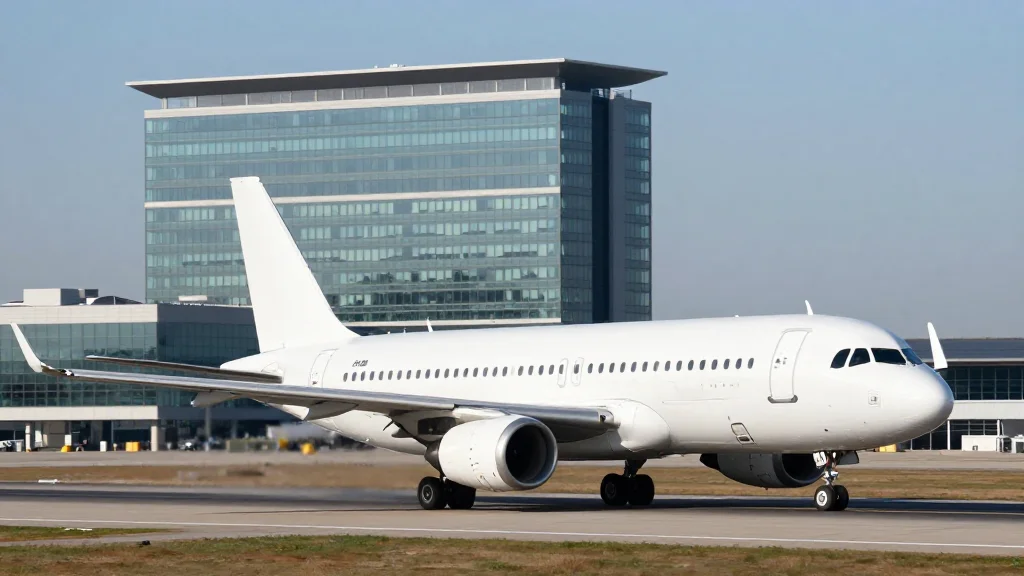
Icelandair May Hasten B757 Exit Amid Fuel Spike
Companies Mentioned
Why It Matters
Accelerating the B757 exit could lower Icelandair’s cost base, protect margins, and align the airline with sustainability goals, while reshaping its route network and competitive positioning in the North Atlantic market.
Key Takeaways
- •Icelandair plans to retire its B757 fleet earlier than scheduled
- •Rising jet fuel prices increase operating costs by double digits
- •Early exit may free capacity for newer A321neo or A320neo jets
- •Fleet shift could improve Icelandair’s cost structure and environmental footprint
Pulse Analysis
The surge in global jet‑fuel prices has forced airlines worldwide to reexamine fleet economics, and Icelandair is no exception. Its Boeing 757‑200s, prized for range but notorious for fuel thirst, have become a financial liability as Brent crude hovered above $90 per barrel in early 2026. By accelerating the retirement of these aircraft, Icelandair aims to stem cost erosion that threatens its thin North Atlantic profit margins, especially on routes where competition from low‑cost carriers intensifies price pressure.
Replacing the 757s with newer Airbus A321neo or A320neo models offers a clear path to operational efficiency. The neo family delivers up to 25% better fuel burn per seat mile, translating into significant savings on the airline’s high‑frequency Reykjavik‑Europe services. Moreover, the newer jets provide greater passenger comfort and lower emissions, aligning with Iceland’s environmental commitments and the growing demand for greener travel options among European consumers.
Beyond immediate cost benefits, the fleet transition could reshape Icelandair’s strategic outlook. A modernized narrow‑body fleet enables more flexible scheduling, opening opportunities for additional frequencies or new destinations without compromising profitability. It also positions the airline favorably for future partnership or code‑share arrangements, as many carriers prioritize partners with comparable aircraft types for seamless operations. In a market where fuel volatility remains a key risk, Icelandair’s proactive stance may safeguard its competitive edge and support sustainable growth.
Icelandair may hasten B757 exit amid fuel spike
Comments
Want to join the conversation?
Loading comments...