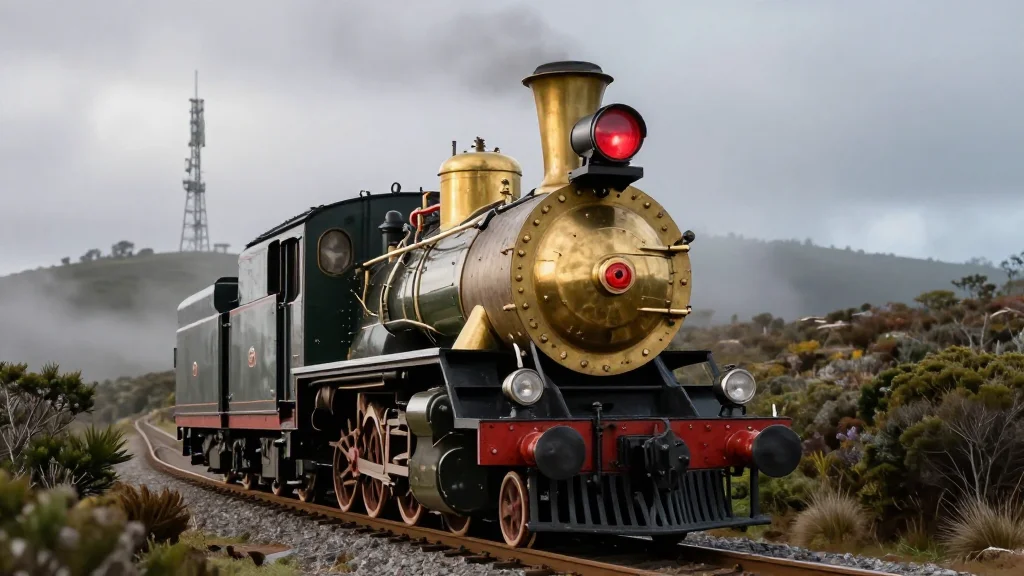
Iconic South African Steam Train Returns After 16 Years
Why It Matters
Reviving the line will boost heritage tourism on the Garden Route and create a sustainable revenue stream for Transnet’s non‑core assets, while preserving a unique piece of African rail history.
Key Takeaways
- •25‑year concession awarded to Classic Rail for line revival
- •Phase 1 restores Sedgefield‑Knysna "Waterfront Express" service
- •Two Class 19D locomotives to be coal and oil‑fired
- •AfriTrack cleared 12 km of vegetation by Jan 2026
- •Heritage upgrades include new turntable and museum facilities
Pulse Analysis
The Outeniqua Choo Tjoe has long been a cultural icon along South Africa’s Garden Route, drawing rail enthusiasts and tourists to the scenic stretch between George and Knysna. Heritage rail experiences are proven economic catalysts, often generating higher per‑visitor spend than conventional attractions because they combine nostalgia with unique landscapes. Re‑launching the service taps into a growing demand for experiential travel, especially as international visitors seek authentic, off‑the‑beaten‑path activities. Local businesses—from boutique hotels to restaurants—stand to benefit from increased foot traffic, while the project reinforces the Western Cape’s reputation as a premier destination for heritage tourism.
Classic Rail’s 25‑year concession, awarded after a competitive RFP, structures the revival into two clear stages. Phase 1, dubbed the "Waterfront Express", will reconnect Sedgefield and Knysna using cleared 12 km of track and refurbished rolling stock. Simultaneously, AfriTrack’s vegetation removal and bridge assessments lay the groundwork for Phase 2, which will restore the historic George‑to‑Sedgefield museum line. A notable technical decision is converting one of the two Class 19D steam locomotives to oil‑firing, reducing fire risk during dry summer months. Additional diesel backup and upgraded workshops ensure operational resilience.
Beyond tourism, the Outeniqua project signals a shift in how South Africa leverages legacy rail assets for commercial gain. By partnering with private operators and heritage specialists, Transnet can monetize infrastructure that lies outside its core freight network, creating a template for similar concessions nationwide. The emphasis on sustainable practices—such as oil‑fired steam and careful environmental clearing—aligns the line with modern regulatory expectations. If the service achieves projected ridership, it could stimulate ancillary investments, from boutique accommodation to heritage‑themed events, cementing the railway’s role as both a cultural landmark and a viable economic engine.
Iconic South African steam train returns after 16 years
Comments
Want to join the conversation?
Loading comments...