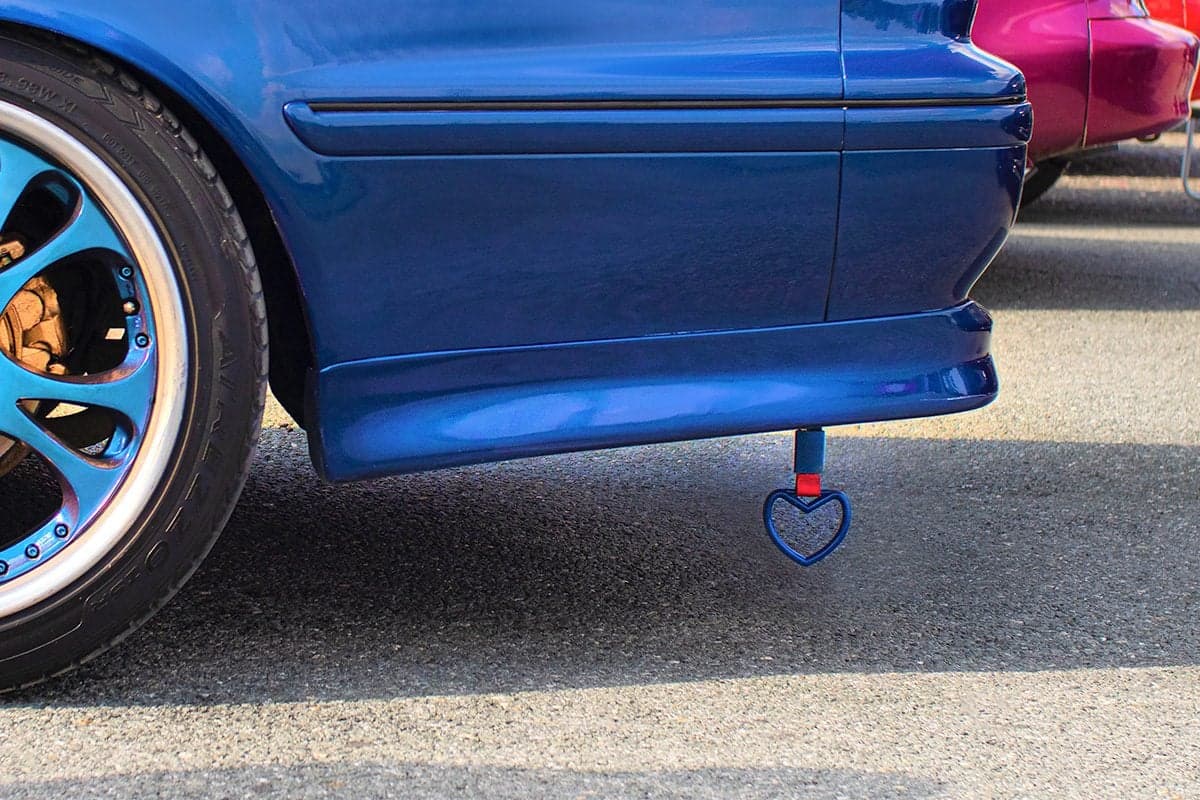
If You See a Heart With Horns Hanging On a Car, Here’s What It Means
Why It Matters
Understanding tsurikawa prevents misuse that could damage vehicles, while highlighting a growing cultural trend that fuels aftermarket demand in the JDM market.
Key Takeaways
- •Tsurikawa straps originate from Japanese train handholds
- •Now used as rebellious JDM car accessories
- •They are not tow straps; misuse causes damage
- •Often feature heart with horns design for style
- •Market sells replica straps; cultural symbolism drives demand
Pulse Analysis
The tsurikawa’s story begins on Japan’s commuter trains, where leather straps dangled from poles to give standing passengers a steady grip during acceleration and braking. Early enthusiasts lifted these handholds, repurposing them for personal vehicles as a nod to the country’s rail heritage. Over time, the stripped‑down metal versions—often shaped into a heart with horns—became a visual shorthand for the underground JDM community, signaling a blend of nostalgia and defiance against mainstream automotive norms.
Within the JDM subculture, the tsurikawa functions less as a functional tool and more as a badge of identity. Its rebellious roots trace back to the 1990s, when car modifiers appropriated train accessories to differentiate their rides. Today, manufacturers produce mass‑market replicas, and online forums trade tips on installation and customization. The heart‑and‑horn motif adds a pop‑culture edge, resonating with younger enthusiasts who value distinct visual statements over conventional performance upgrades.
For everyday drivers, recognizing a tsurikawa is crucial because it is not engineered for towing or load‑bearing. Attempting to attach a trailer or winch to the strap can damage the vehicle’s frame and void warranties, leading to expensive repairs. Proper identification also helps owners appreciate the cultural cachet they’re displaying, potentially increasing resale value among JDM collectors. As the accessory gains visibility, retailers are likely to expand the product line, further embedding tsurikawa into the broader aftermarket ecosystem.
If You See a Heart With Horns Hanging On a Car, Here’s What It Means
Comments
Want to join the conversation?
Loading comments...